
Alexander Oak Savanna
Enjoy this gorgeous prairie south of River Falls, WI. The dry prairie and oak savanna remnants found on the site are some of the best examples of these habitat types in the Western Prairie Ecological Landscape. Enjoy the 120 native species found across this 43-acre site. Some previously documented endangered and threatened species are noted, and with further management, may reappear.
A prescribed burn conducted at Alexander Oak Savanna. Photo by Prescott Bergh.
Alexander Oak Savanna
A prescribed burn conducted at Alexander Oak Savanna. Photo by Prescott Bergh.
The dry prairie and oak savanna remnants found on the site are some of the best examples of these habitat types in the Western Prairie Ecological Landscape. Enjoy the 120 native species found across this 43-acre site.
Access & Directions
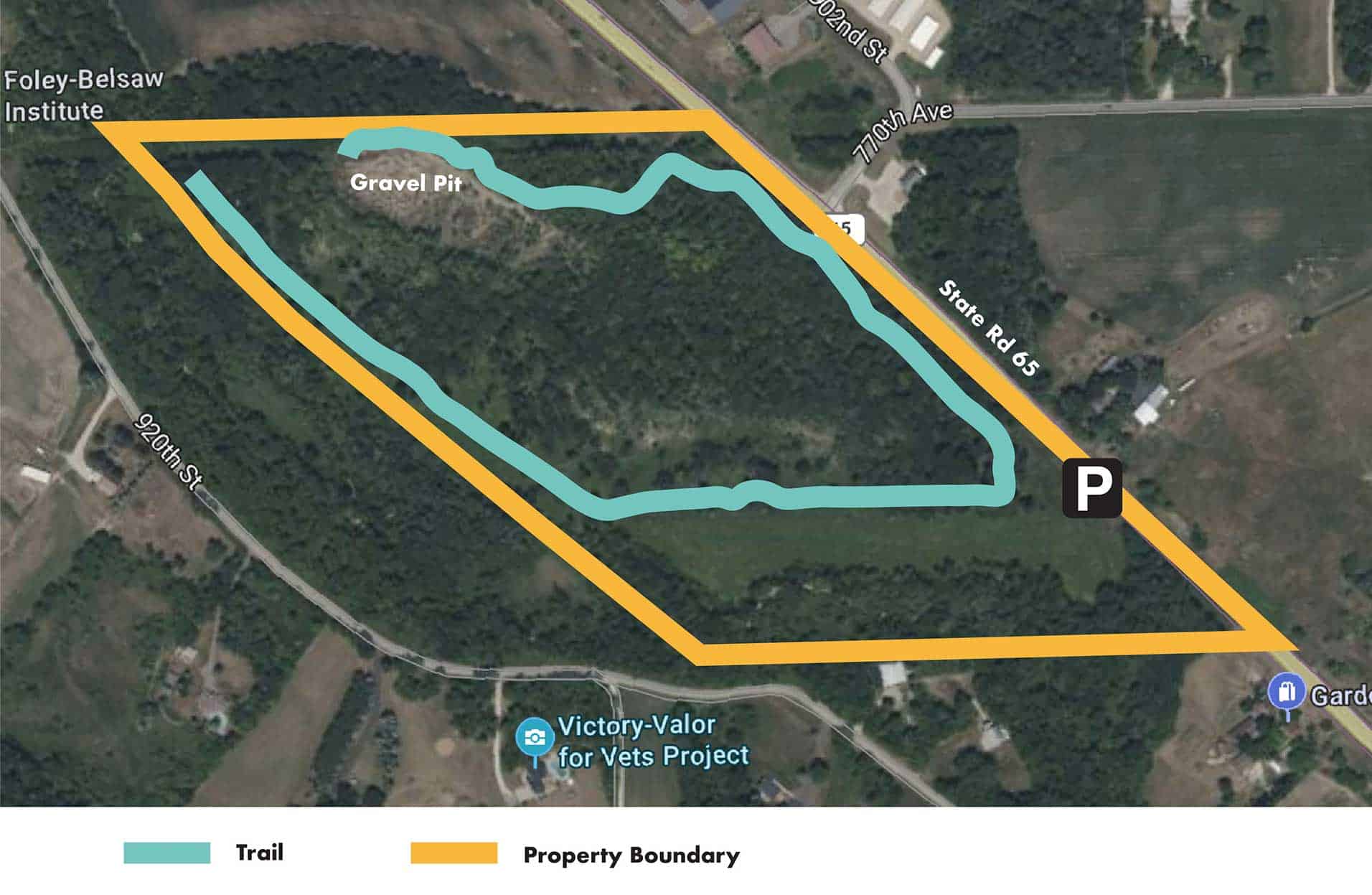
The site is located in Pierce County, approximately four miles south of River Falls on state highway 65 and 0.2 miles south of the Town of River Falls Town Hall. There is a parking area access at the south end of the property.
Portions of the property are easy to navigate, but getting to them can be a challenge. The site contains two miles of dirt trails that can be occasionally steep.



Site Steward
Connect with the site steward to see how you can care for this rare habitat at an upcoming work party.
This site is stewarded by The Prairie Enthusiasts St. Croix Valley Chapter.
Site Steward: Evanne Hunt (Email)
Upcoming Events Here

ST CROIX VALLEY BUTTERFLY FIELD TRIP
How to Enjoy This Site
Allowed:
- Outdoor Recreation
- Hunting (for all species, no permit or reservation required)
- Trapping (for all species, no permit or reservation required)
Not Allowed:
- Collecting Plants, Seeds, Rocks or Animals without permission from The Prairie Enthusiasts
How to Enjoy This Site
Allowed:
- Outdoor Recreation
- Hunting (for all species, no permit or reservation required)
- Trapping (for all species, no permit or reservation required)
Not Allowed:
- Collecting Plants, Seeds, Rocks or Animals without permission from The Prairie Enthusiasts
Butterfly field trip at Alexander Oak Savanna. Unknown Photographer.
What Makes Alexander Oak Savanna Special
This stunning 45-acre remnant is located in Pierce County, WI, within the Kinnickinnic River watershed and the Western Prairie Ecological Landscape (a Wisconsin DNR designation).
Through decades of restoration efforts, this site has become one of the largest restored dry-mesic prairie and oak savanna complexes in the St. Croix Valley Chapter’s geographic
area.
The Chapter frequently holds butterfly field trips at the site where attendees can discover the many butterflies and other insects that call Alexander Oak Savanna home.
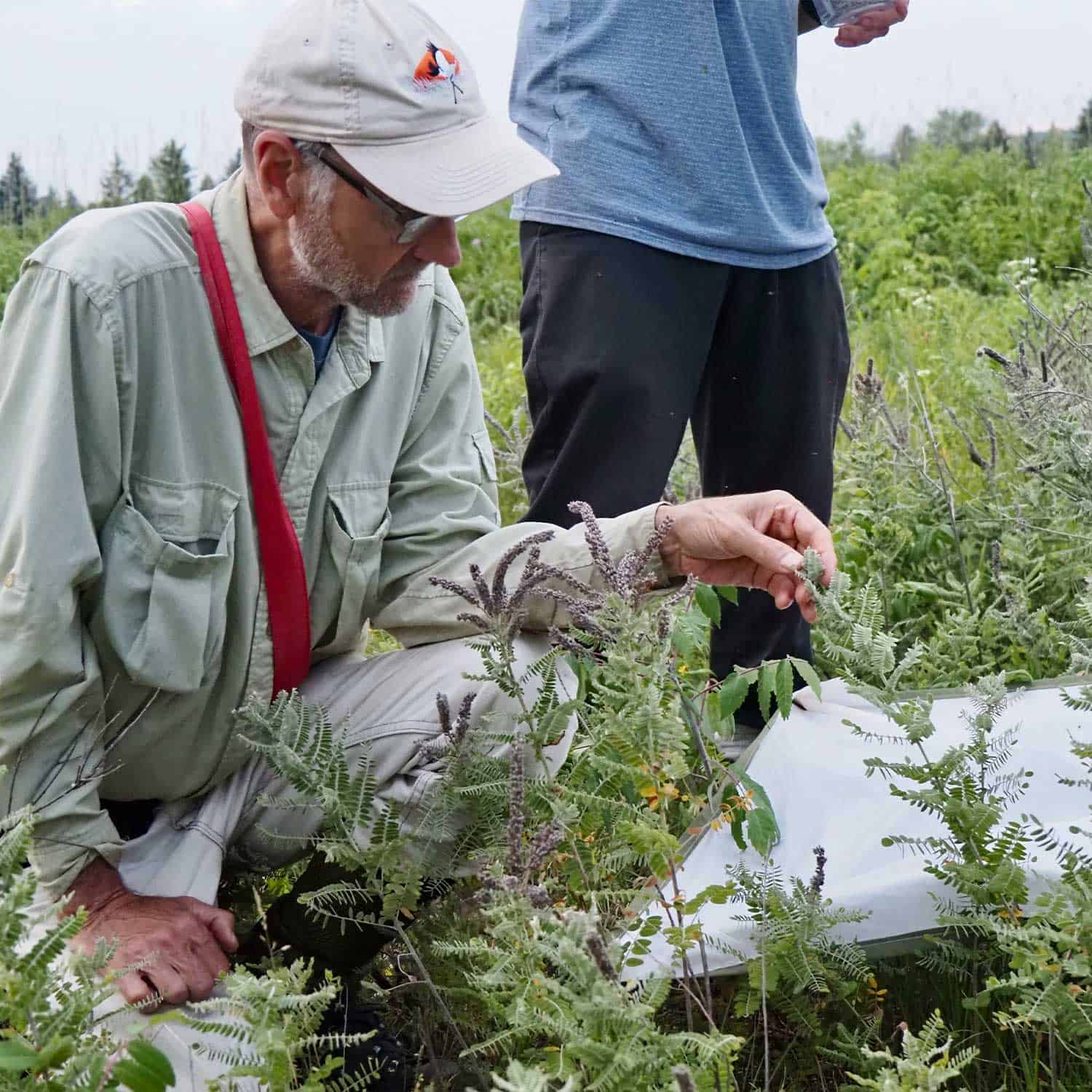
Looking at lead plant (Amorpha canescens) at Alexander Oak Savanna. Photo by Heidi Kassenborg
How was Alexander Oak Savanna Protected
Alexander Oak Savanna is named for Dick and Joan Alexander who purchased the property in 1965. They lovingly cared for the land for over 50 years and used it as a family getaway, where they enjoyed hunting and gathering firewood.
The Wisconsin Chapter of The Nature Conservancy recognized the significance of the site, and in 1985, secured a first right of refusal for the purchase of the property should it ever be offered for sale. This right was transferred to The Prairie Enthusiasts in 2003. In 2018, the Alexanders generously accepted an offer from The Prairie Enthusiasts to purchase the property. Since that time it has been actively managed by The Prairie Enthusiasts St. Croix Valley Chapter.
Dick actively participated in the Chapter work parties and prescribed burning over the years with both The Nature Conservancy and The Prairie Enthusiasts.
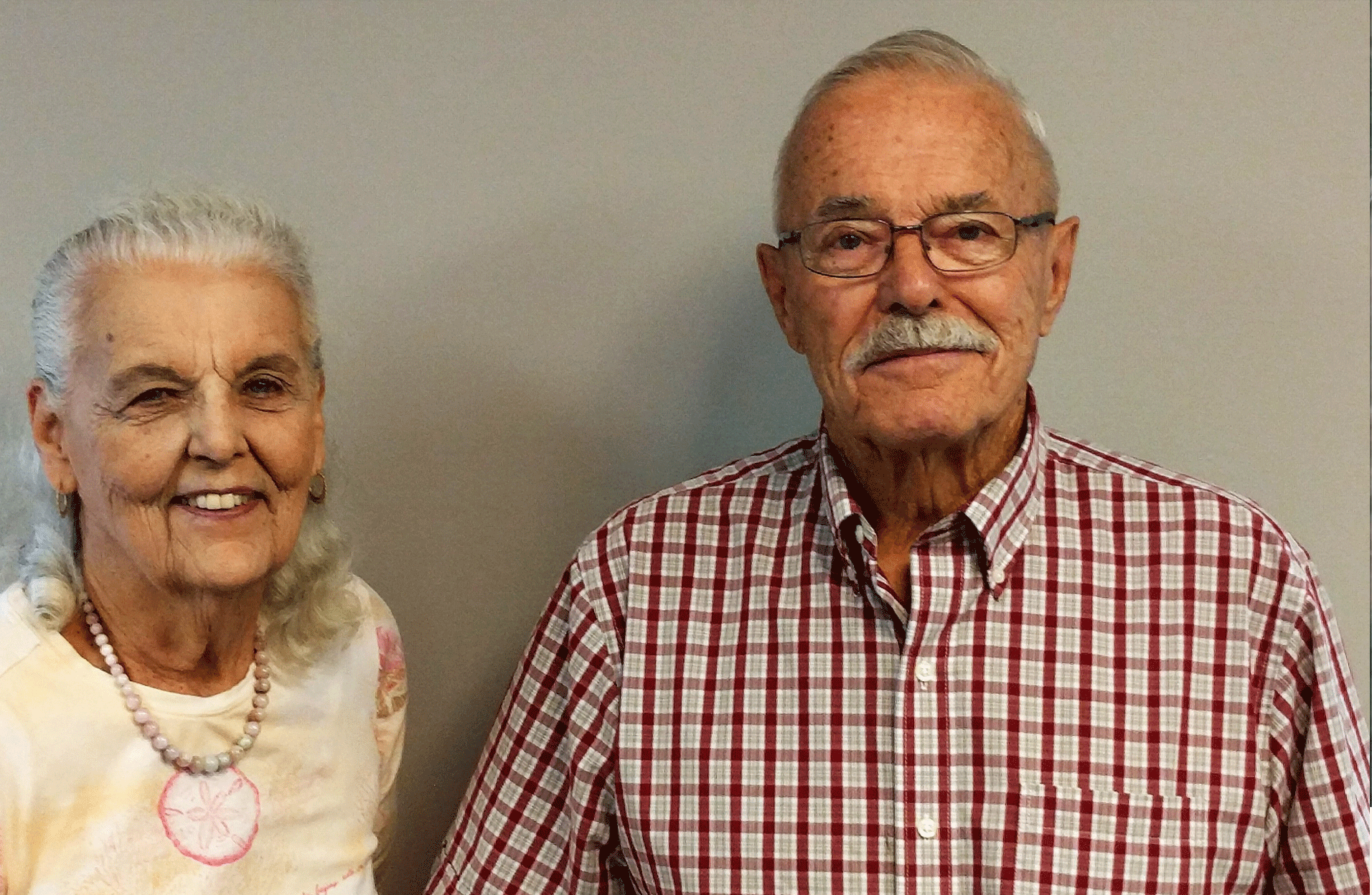
Previous owners that the property is named after, Jane and Dick Alexander. Unknown Photographer.
How You Can Help Alexander Oak Savanna
Prior to 2000, the site was managed by The Nature Conservancy through their volunteer site steward program. Since assuming management responsibility in 2000, The Prairie Enthusiasts’ efforts have focused on the removal of invasive species such as buckthorn, Siberian elm and red cedar. Regular prescribed burns are conducted in late winter or early spring. The St. Croix Valley Chapter has also re-introduced appropriate species native to this area by overseeding portions of the site with locally collected seed.
Chapter volunteers have primarly conducted the restoration efforts, but the Chapter has also received land management grants from the U.S. Fish and Wildlife Service and the Wisconsin DNR to hire contractors to help. Students from the University of Wisconsin River Falls have also participated in a variety of site management activities.
St. Croix Valley Chapter holds regular volunteer work parties in which brush is cleared, seed is collected and prescribed burns are conducted.
Check out our Events Calendar to see upcoming work parties or contact the site steward to get involved.
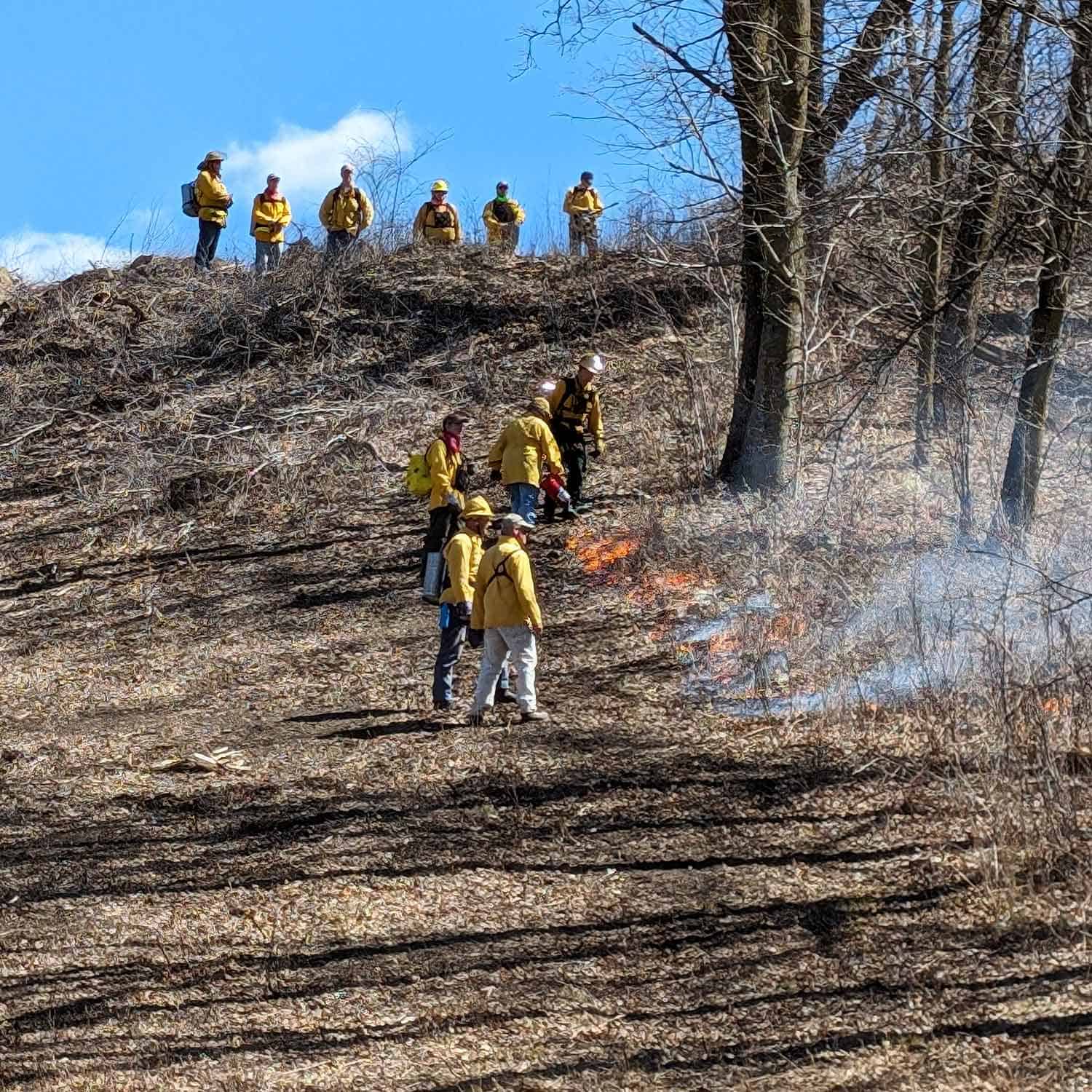
St. Croix Valley Chapter volunteers conducting a prescribed burn at Alexander Oak Savanna. Photo by Prescott Bergh.