
Foster Conservation Area
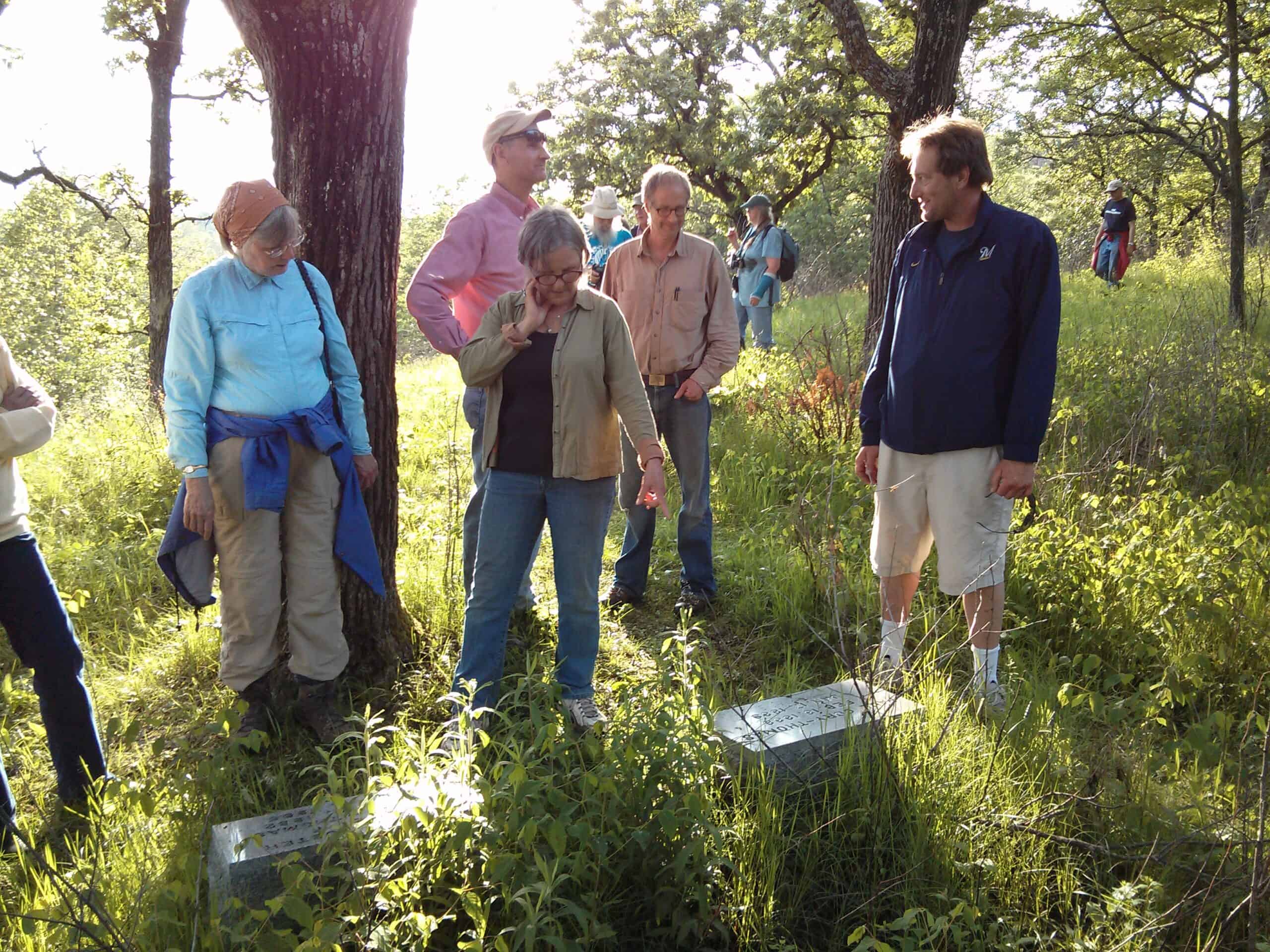
This site is a parcel first settled by the Foster family back in 1848. The City of River Falls acquired this land to protect it for its historical significance and because it is a remnant of the prairie and oak savanna that once covered the entire Kinnickinnic River Valley. This 19-acre savanna is also the location of the Foster Cemetery, and gives you a beautiful view of the Kinni and surrounding hills.
SITE STEWARDS
Alan MacQuarrie
AlanWEMacQuarrie@gmail.com
Alex Bouthilet
alex.bouthilet@gmail.com
ACCESS & DIRECTIONS
The Foster Conservation Area is located in the City of River Falls by the Wastewater Treatment Plant at 432 South Apollo Road, River Falls, WI.
Park along the road as you approach the gate. Access the site by walking the trail outside the fence.
Description & Significance
Foster Hill savanna is located an in area of approximately 19 acres. It was first identified by the Wisconsin Department of Natural Resources (WIDNR) Bureau of Endangered Resources plant survey team as an area with significant rare plant populations. It was identified as an official project area by the WIDNR in 1987. The project was proposed but not implemented, so parts of the property were subdivided and houses built. Fortunately, most of the rare plant habitat survived on steep slopes at the back of each private parcel. Most of the site has been actively managed by TPE since 1999.
CONSERVATION SIGNIFICANCE
Foster Hill is a large complex of oak savanna and dry prairie. The bedrock outcroppings on Foster Hill belong to the Prairie Du Chien group, a series of dolostones, sandy dolostones, and sandstone formed earlier in the Ordovician period in an intertidal or shallow marine environment. The bedrock is highly fractured and honeycombed with solution cavities. This bedrock is covered on the bluff top by glacial drift. The drift consists of a poorly exposed mixture of outwash sand and gravel and wind-blown loess. The outwash was most likely from the Superior Lobe. Colluvium of varying thickness occurs on the steeper slopes.
This site is significant in that it is located along the Kinnickinnic River and abuts the former Lake Louise in an area with several hundred acres of protected land surrounding the site. This coupled with healthy rare plant populations and ease of management makes long-term success and sustainability of this project more likely.
Natural History
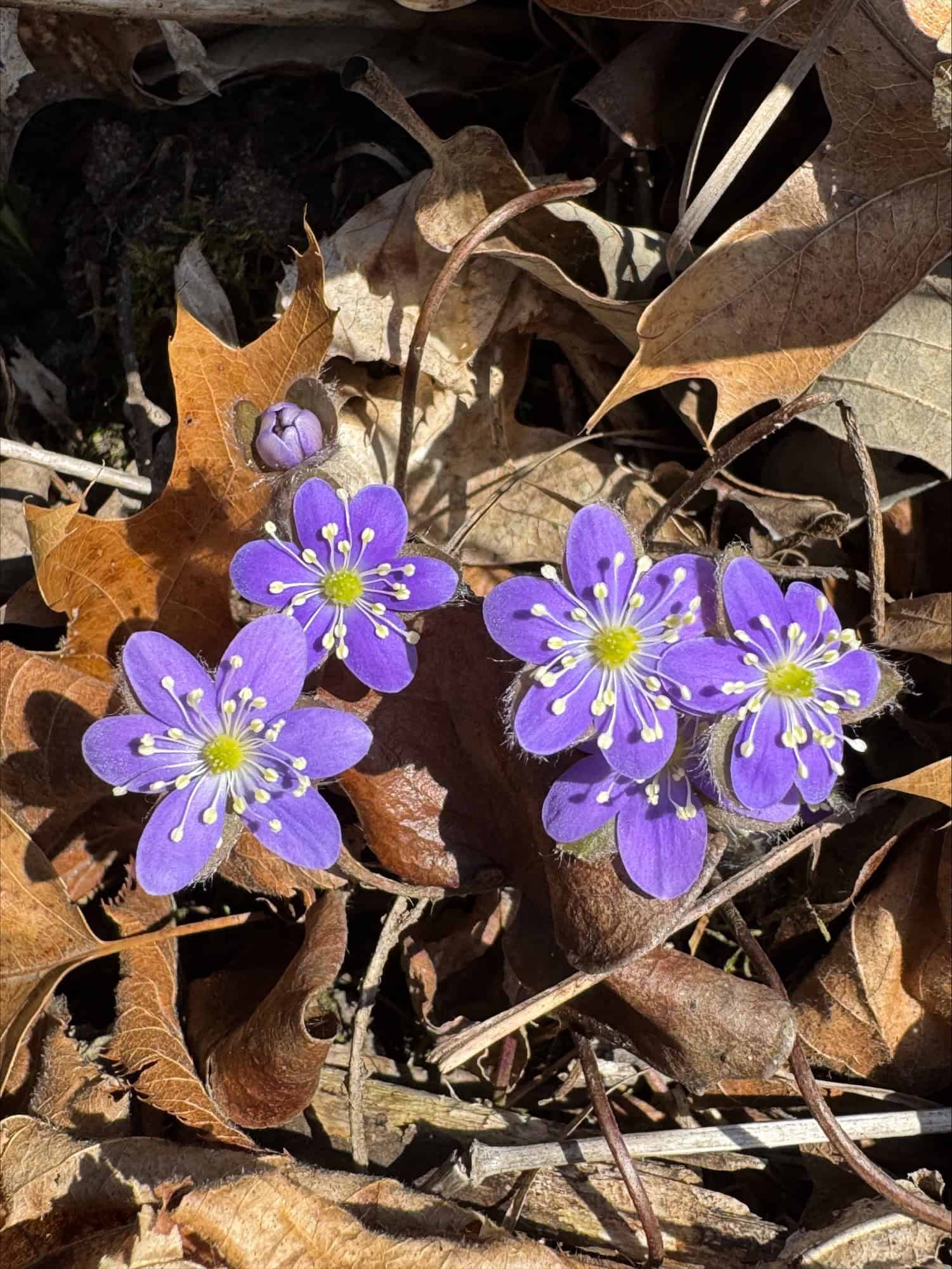
Much of this site was formerly owned by the Johnson family who used it to pasture cows and horses. Lower fields were once plowed for a hemp crop but soon abandoned due to poor soil quality. The horse pasture was seeded to smooth brome but many native plants, including some threatened species have returned in the brome sod.
The hillsides were only lightly grazed and hold significant populations of prairie savanna.
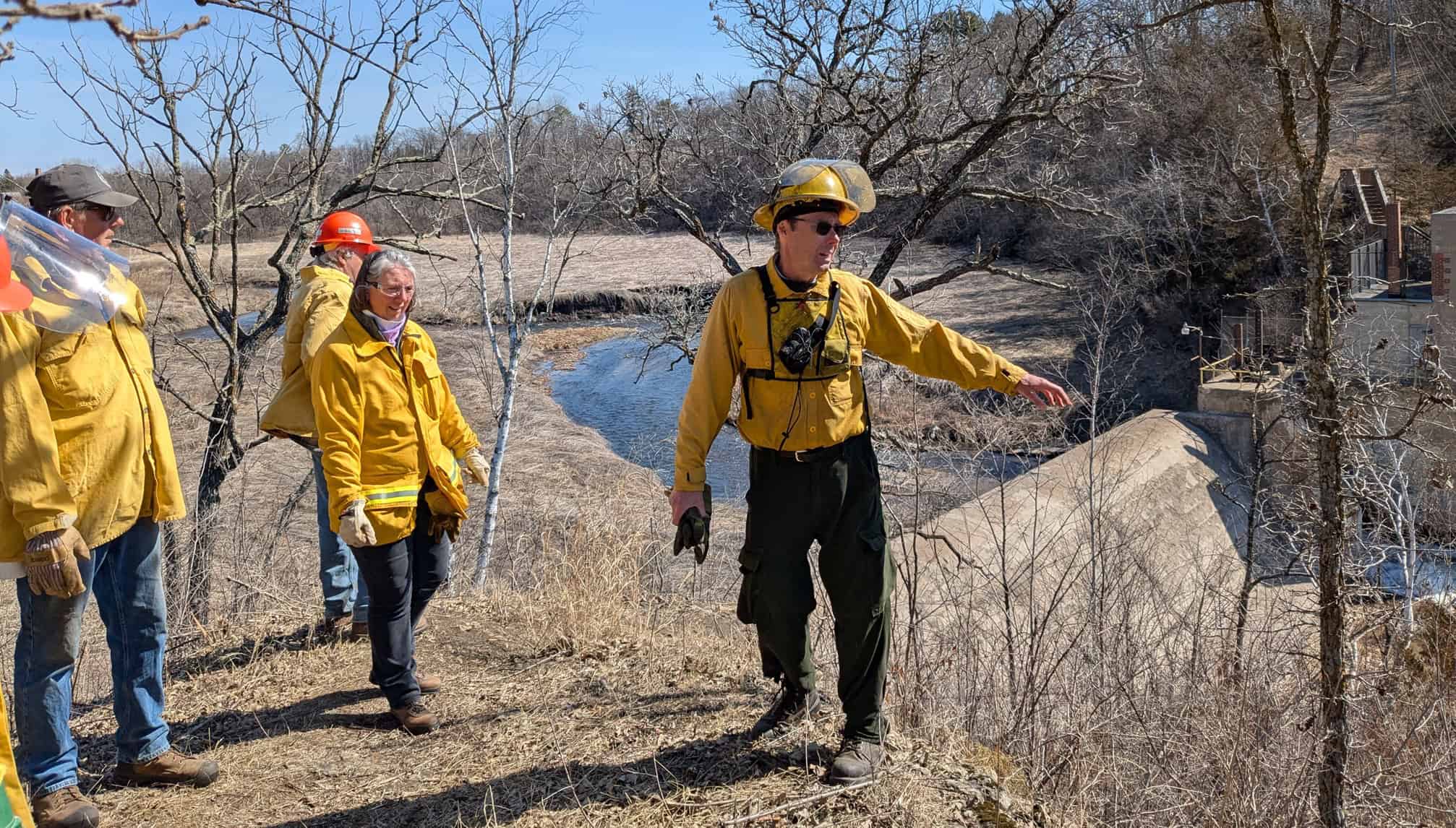
The Prairie Enthusiasts St. Croix Valley Chapter has been managing portions of this site since 1999. Much of the red cedar and brush that covered the hills has been removed and a controlled burn program has been initiated.
Volunteers
All work days are listed on our chapter page under Events. Reminders are sent to everyone on the St Croix Valley eNews list.

Usage Policies
The Foster Conservation Area and the Foster Cemetery are open to the public.
Access to the Foster Hill Community Prairie will be limited to foot travel and low impact activities as noted below. High impact activities are prohibited.
Allowed
Hiking
Wildlife viewing/appreciation
Nature study/photography
Research, but by permit only (see below)
Seed/nut/fruit collecting by TPE for use in off-site conservation projects will be limited and tightly regulated
Prohibited
Vehicles (including bicycles), except to carry out approved management activities
Collection of flowers, plants, rocks, or any other part of the natural landscape (except seeds as noted under permitted uses)
Management
Management goals at the site are to:
- Provide a native prairie and oak savanna community representative of historic flora and fauna to provide habitat for mammals, birds and any prairie or savanna dependent species
- Maintain and expand endangered and rare plant species
- Decrease cover of invading exotic plant species
Prescribed fire is a part of savanna and prairie as much as fire is a management tool, so its use is also part of prairie’s restoration. Annual dormant season burns are the goal.