
Hawkins Cemetery
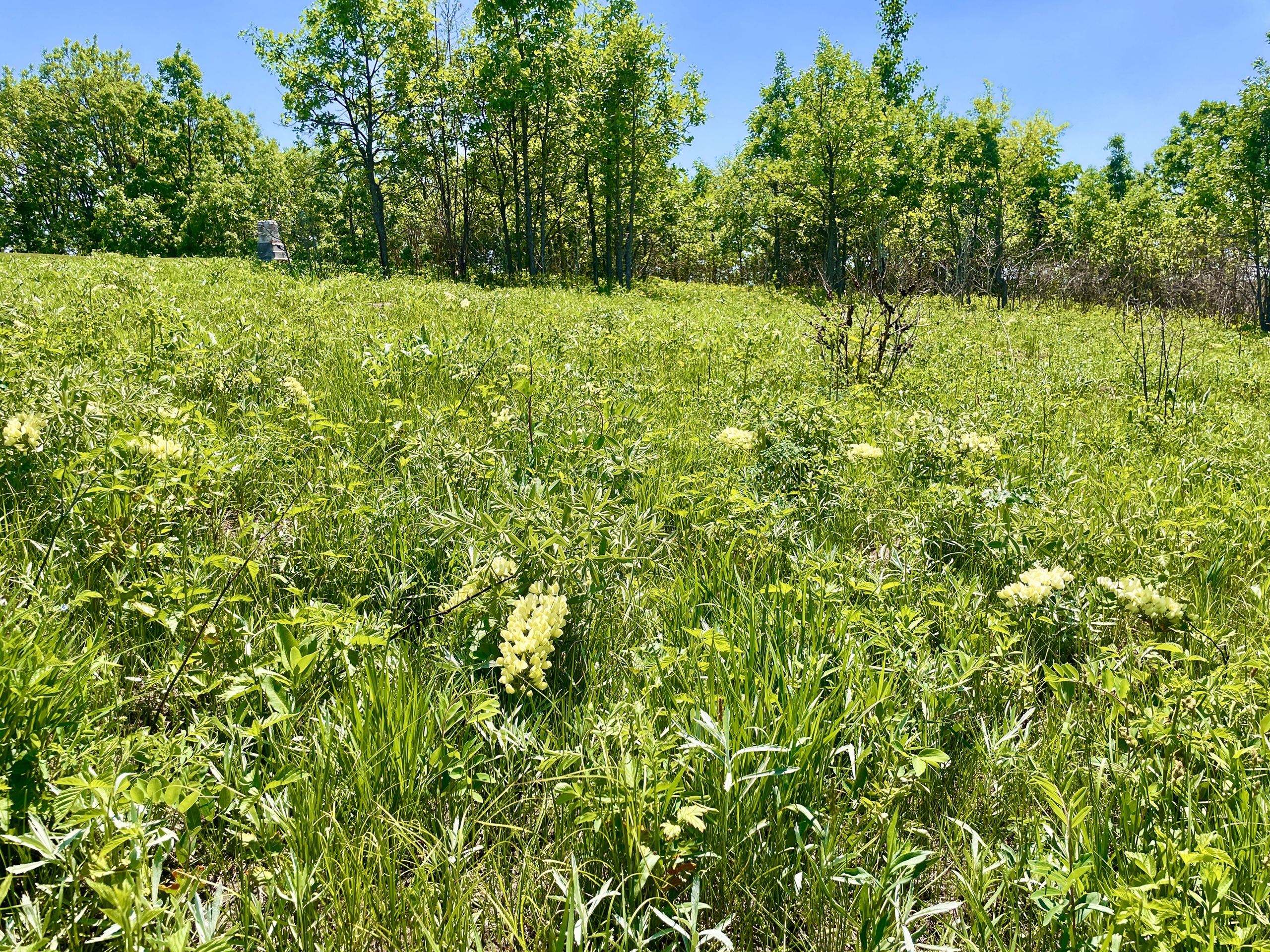
The mesic prairie remnant surrounds the graves.
SITE STEWARDS
Harvey Halvorsen
hcubed007@gmail.com
ACCESS & DIRECTIONS
This site is private property.
Description & Significance
Hawkins Cemetery, also known as the Old Hammond Cemetery, is located immediately southeast of the intersection of 70th Avenue and 150th Street in the Town of Hammond, near the Town of Warren border.
According to a 1989 history of Immaculate Conception Church in Hammond, Irish immigrants, mainly the Hawkins and McLaughlin clans, came to St. Croix County from Dane County and settled in an area in the Town of Pleasant Valley near the east fork of the Kinnickinnic River they called the Thickets in July of 1855.
In 1870, the families who had moved out of the Thickets area closer to the present day location of Hawkins Cemetery built a frame church, which stood immediately southeast of the cemetery.
The church membership eventually merged with what is now St. Mary’s Immaculate Conception Catholic Church in Hammond in 1876.
The cemetery, which sits on a hill, is surrounded on the sidehills by virgin prairie grasses and an oak savanna that are maintained by The Prairie Enthusiasts. The land has never been tilled,
No more burials are allowed in the cemetery due to loss of records of the grave sites.
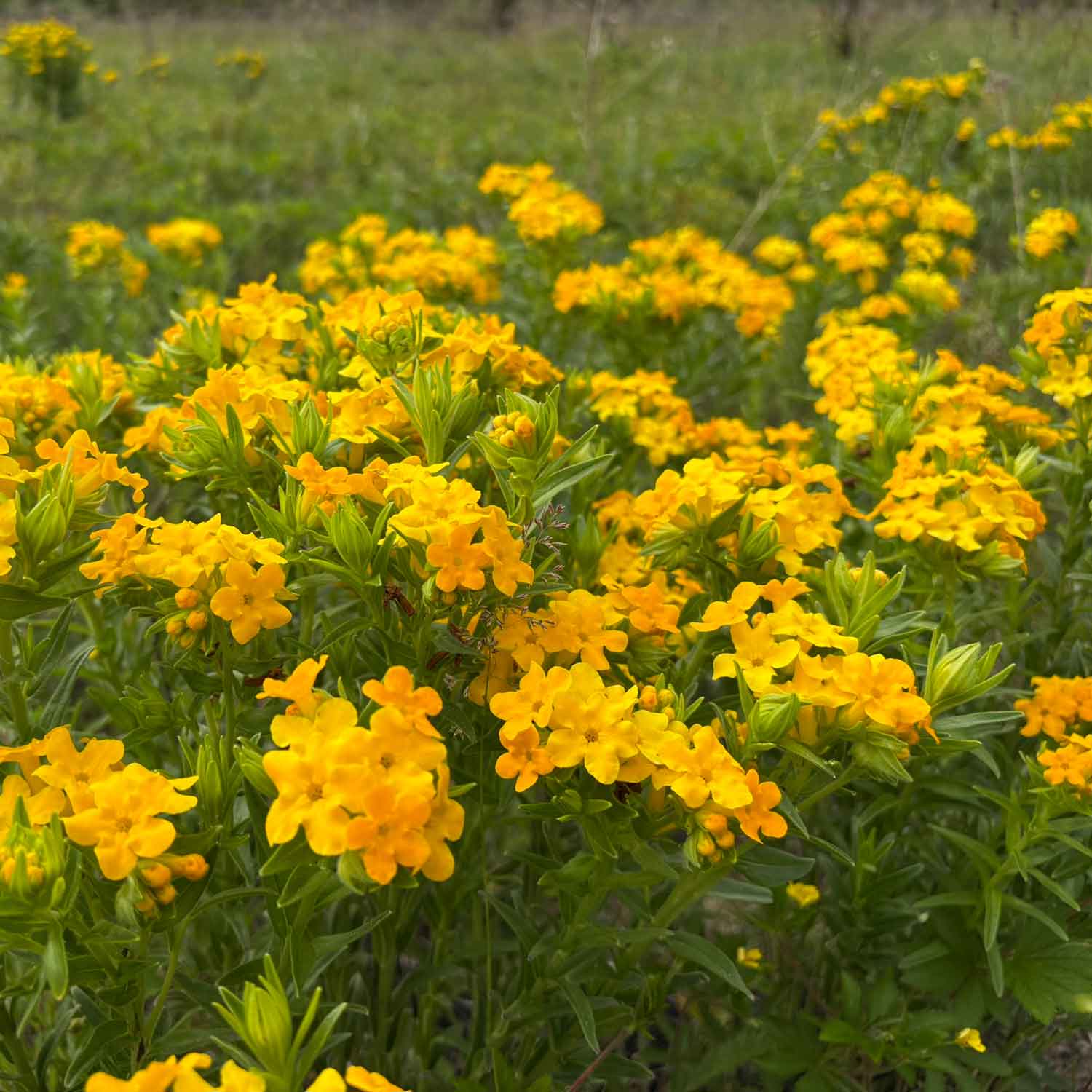
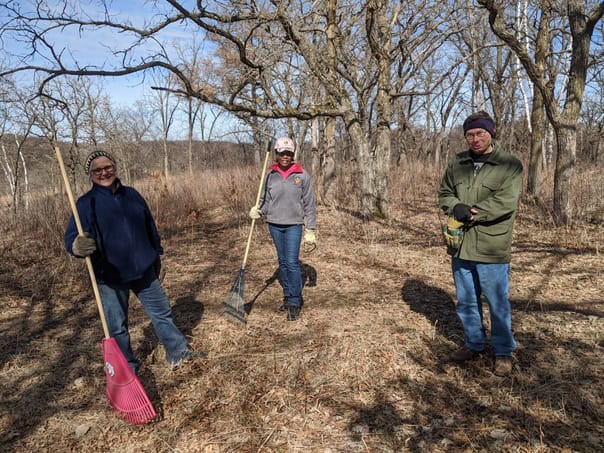
Volunteers
All work days are listed on our chapter page under Events. Reminders are sent to everyone on the St Croix Valley eNews list.
Usage Policies
The site is private property.
Management
Management goals at the site are to:
- Restore and maintain oak woodland across the majority of the site. Restore and maintain oak savanna on south-central ridge top.
- Eliminate sapling sized European buckthorn across the site.
- Eliminate greater than 50% of Japanese barberry and common hoptree across the site.
- Full survey of extent of oriental bittersweet and start of control program. Eliminate seed producing stems.
- Full survey of extent of crown vetch. Remove small infestations as discovered.
- Starting in the targeted management units: thin out understory fire-intolerant species (including ironwood, basswood, ash, boxelder, others). Remove non-oak, non-white pine canopy trees which are crowding mature oaks. Move to other management units as available labor permits.
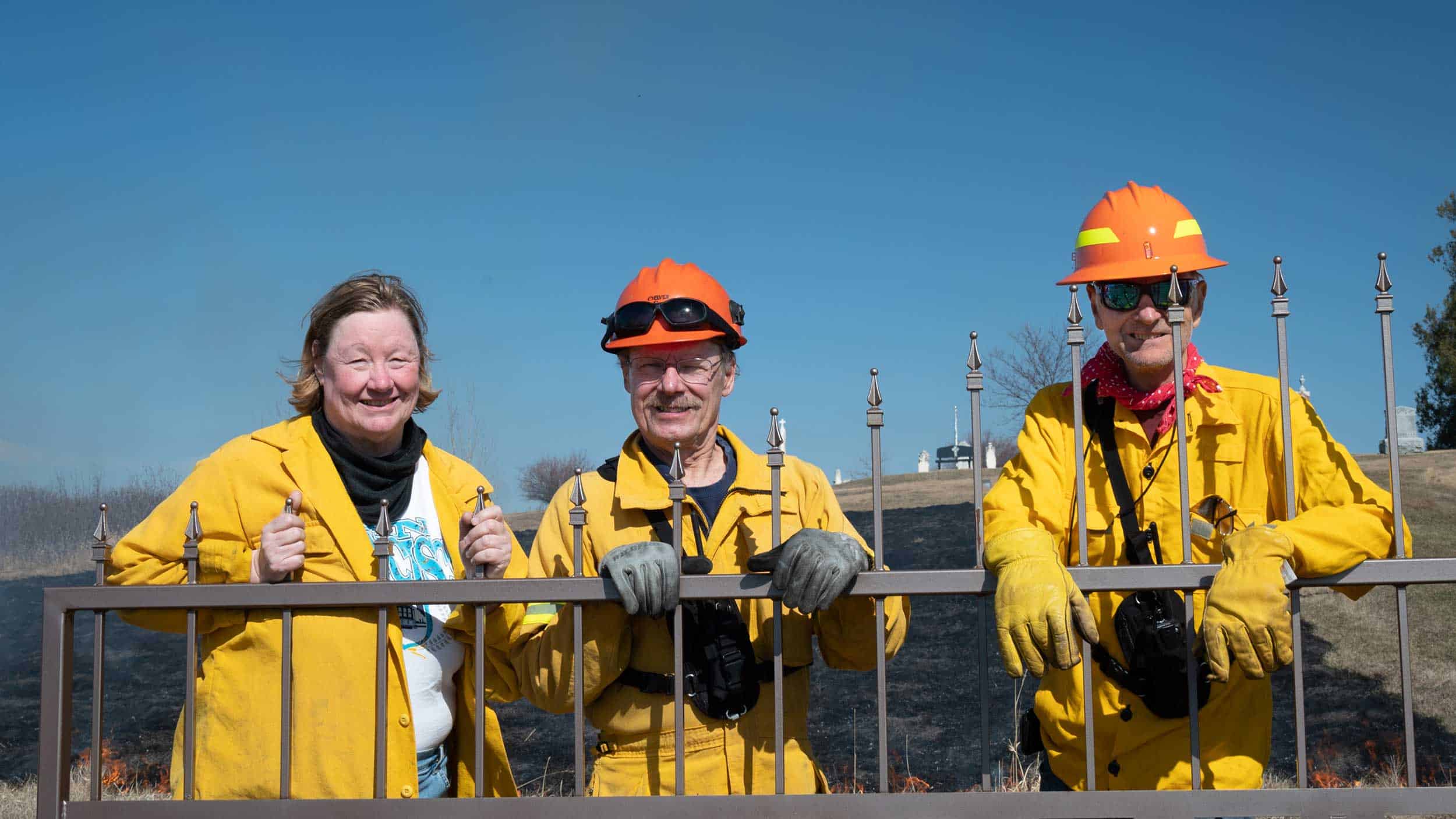
- Near-yearly prescribed dormant season burns in the first two management units, moving further into other areas as available time and labor permits.
- Develop a comprehensive species list.
