Swenson Bluff

Swenson Bluff

Swenson Bluff Prairie

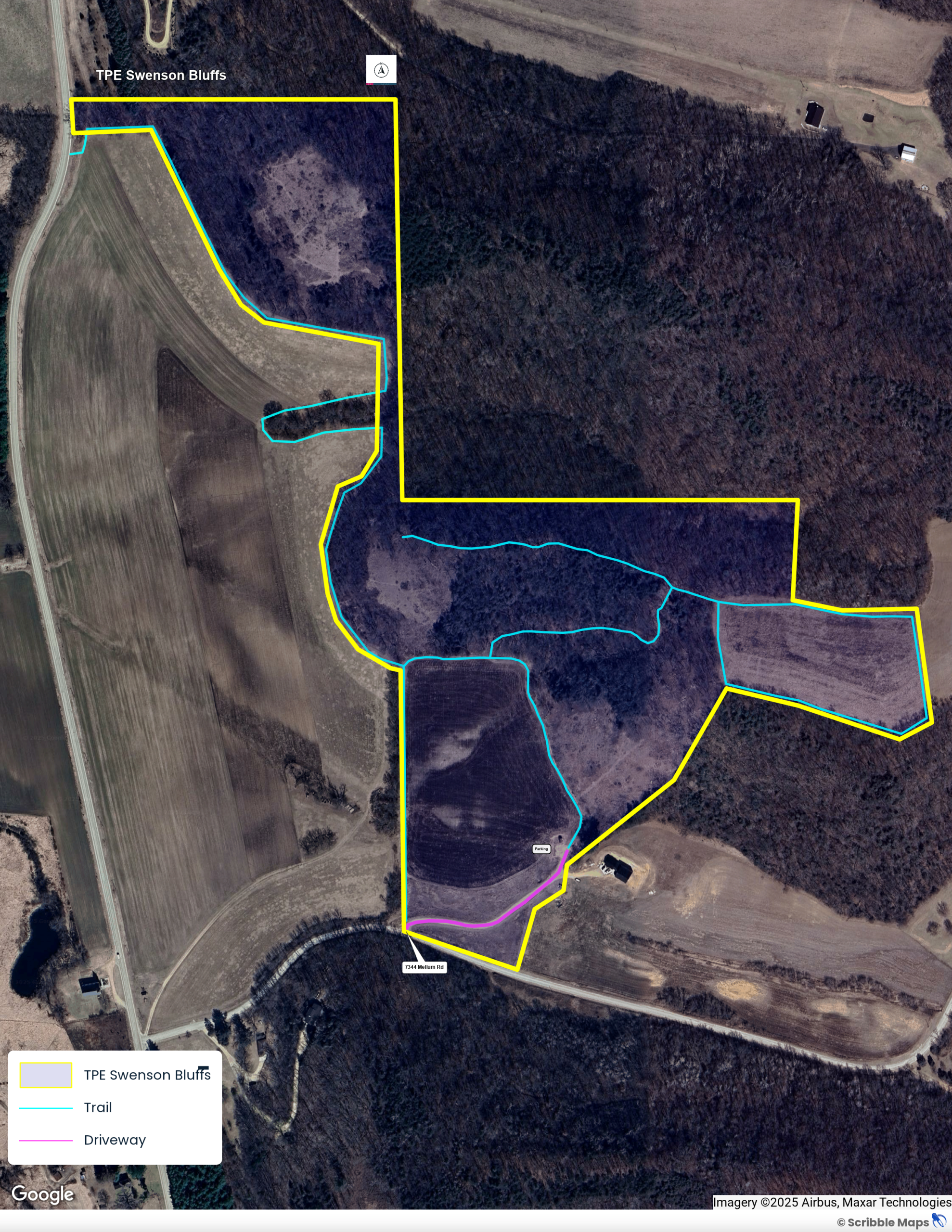
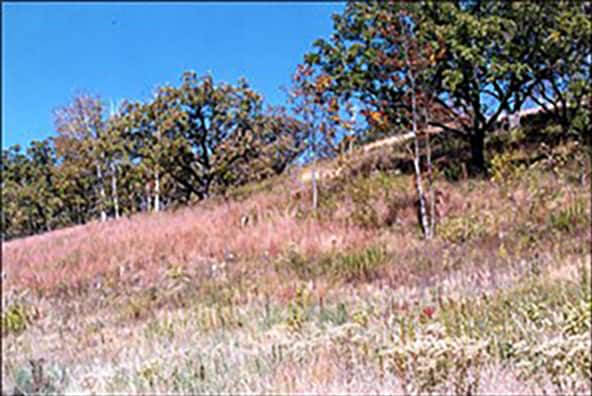
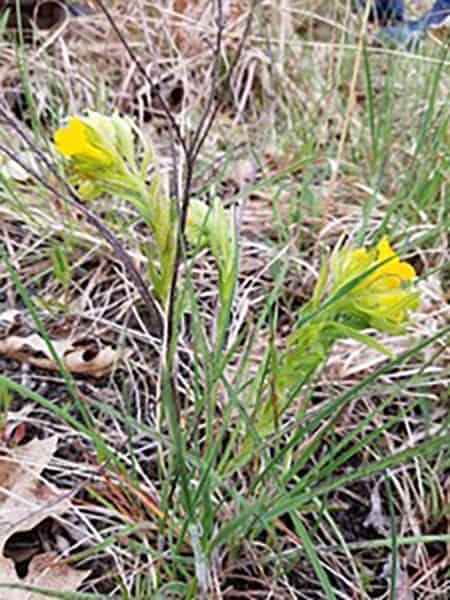
Swenson Bluff Preserve is a 54 acre site that contains several distinct prairie remnants sitting high atop the bluff, with spectacular views of the farms and St. John the Baptist Catholic Church situated in the wide, flat valley below. One parcel, known as Swenson Hill Prairie, is approximately 16 acres, including the surrounding woods. Agaski Prairie nearby is a 38-acre section with specatular species including the State Endangered Plant, pale false foxglove (Agalinis skinneriana, see photo by Eric Preston). 

At the top of the hill are five acres of open grassland, a large remnant representative of calcareous, dry-mesic hill prairie.  Plant species present indicate a light or non-existent grazing history, and it is most notable for the heterogeneity of its summer prairie flora.  The smaller parcel, known as Shooting Star Prairie, is approximately 3 acres in size, which includes it’s namesake plant.

SITE STEWARDS

SCOTT SAUER

EMAIL

ACCESS & DIRECTIONS

The larger parcel of this site is located 1.9 miles south of State Highway 14, and the village of Arena, on County Road H. There is no parking lot;  park in the west roadside right-of-way of County Road H (to be legal, parked vehicles need to be at least 3 feet away from the gravel shoulder). Access is by foot only starting at the TPE sign, walking along the field edge to the trail head at the edge of the wooded area.  The smaller parcel is located 0.2 miles to the south-southeast.   The hike up to either prairie is very steep.

Google Map

Description & Significance
Swenson Hill Preserve is, at five acres of open grassland, a large remnant representative of calcareous, dry-mesic hill prairie.  It is largely free of common herbaceous weeds such as white sweetclover (Melilotus alba) and wild parsnip (Pastinaca sa).  There are small clusters of compass plant (Silphium laciniatum), indicating a light or non-existent grazing history (the hillside is considerably removed from the dairy barn on the Swenson farm). It is most notable for the heterogeneity of its summer prairie flora, with leadplant, butterflyweed, and prairie coreopsis (Amorpha canescens, Asclepias tuberosa, and Coreopsis palmata) blooming in a vast, intermixed display.  Likewise, the 2014 burn revealed a rich display of prairie spring ephemerals (violets, puccoon, and violet wood sorrel among them) on a lower, more level portion of the property.  Other plants of note are tuberous Indian plantain, prairie turnip, cream Baptisia, and Hill’s thistle (Arnoglossum plantagineum, Pediomelum esculentum, Baptisia bracteate, and Cirsium Hillii).

After extensive clearing in 2003, Shooting Star Prairie demonstrated why it received its common name.  The skirt of brush at the base of the hill had concealed a huge display of Shooting Star (Dodecatheon meadia).  This small remnant is also home to one of four, and the largest, Wisconsin populations of pale false foxglove, Agalinis skinneriana, a prairie annual that is listed as Endangered or Threatened in all the States where it occurs.

Good invertebrate records from WDNR surveys in the 1990s and 2000s exist for both parcels.  Across both tracts, thirteen prairie-specialist species – those dependent on prairie remnants – have been cataloged.  On Swenson Hill Prairie, there is a collection record for the rare Kansas Prairie Leafhopper (Prairiana kansana), but that collection was not repeated after the initial collection. The WDNR lists P. kansana as a Species of Greatest Conservation Need (SGCN).  Shooting Star Prairie has rich sods of prairie dropseed (Sporobolus heterolepis) which harbor the State-endangered Hill Prairie Shovelhead Leafhopper (Attenuipyga vanuduzeei), known from only six or seven locations in the Upper Midwest.  The State-threatened prairie specialist Net-Veined Leafhopper (Polyamia dilata is also found on Shooting Star Prairie.

SGCN, Threatened and Endangered Species on the Swenson Hill (SHP) and Shooting Star Prairies (SSP):

SPECIES COMMENTS
PLANTS
Pale False Foxglove
Agalinis skinneriana
WI Endangered (S2)
Prairie Indian-plantain
Arnoglossum plantagineum
WI Special Concern (S3)
Hill’s Thistle
Cirsium Hillii
WI Threatened (S3)
Federal Species of Concern (SOC)
Prairie Turnip
Pediomelum esculentum
WI Special Concern (S3)
INVERTEBRATES
Hill Prairie Shovelhead Leafhopper
Attenuipyga vanduzeei
WI Endangered (S1)
Federal Species of Concern (SOC)
Net-Veined Leafhopper
Polyamia dilata
WI Threatened (S2)
Kansas Prairie Leafhopper
Prairiana kansana
WI Special Concern (S2)
Little Information

Usage Policies

Allowed:

  • Outdoor Recreation
  • Hunting (for all species, no permit or reservation required)

Not Allowed:


Ownership History
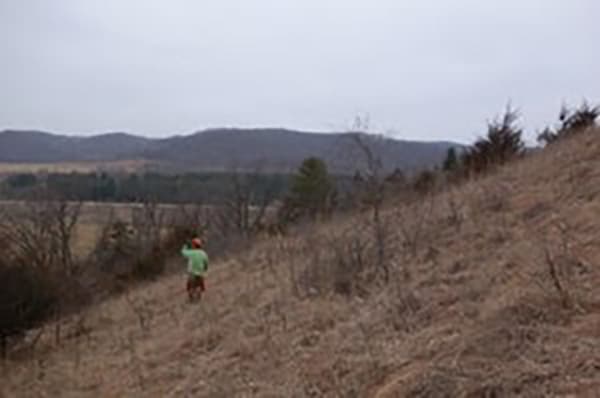
The Prairie Enthusiasts have been active on the Swenson Bluff Prairie site with management activities and field trips since 2002. This, along with the ongoing relationship maintained with the Swenson family by volunteers Amy Staffen and Scott Sauer through the past decades, kept the protection prospects alive and led to TPE ownership on August 20, 2018.  Funding for this purchase was made possible, in part, by the Wisconsin Department of Natural Resources Knowles-Nelson Stewardship Program.

The Swenson Bluff Prairie parcels are part of a larger prairie complex with other remnants persisting on nearby hillsides and bluff tops, making this an important area for native plant diversity.  The Nature Conservancy (TNC) led protection efforts in this area beginning in the early 1990’s when TPE was still a small organization. The Nature Conservancy’s interest in this area derived primarily from the presence of the rare Agalinis skinneriana and, secondarily, from the biodiversity of the area provided by the prairie-savanna-woodland complex.

Either the Swenson Hill or nearby Drakenburg prairie were included in the description and analysis of dry-mesic prairies in John Curtis’s seminal work The Vegetation of Wisconsin (1956).  Notes within the 1990 TNC description of the sites and the St. John’s Complex suggest that Olive Thomson visited these sites in the 1950’s. (Read more about Dr. John and Olive Thomson, premier conservationists, environmental education leaders and naturalists.)

In 2024, The Prairie Enthusiasts purchased the 38-acre Agaski Bluff addition. Read more about that story HERE

Management

In 2002, with funding provided by a US Fish and Wildlife Service (USFWS) grant for private lands, both Swenson Hill Prairie and Shooting Start Prairie were largely cleared of invasive red cedars, as well as some planted and volunteer white pines, black cherry, buckthorn, honeysuckle, and other invasive shrubs.  In 2007, TPE volunteers burned roughly 2/3 of Swenson Hill Prairie.  Site steward Scott Sauer, along with volunteers from Quercus Land Stewardship, conducted winter-season burns on Swenson Hill Prairie in 2012, 2013, 2014 and 2016.

Current management efforts are focused on continued removal of invasive species, especially buckthorn and honeysuckle.
Pleasant Valley Conservancy

Pleasant Valley Conservancy

Pleasant Valley Conservancy

Pleasant Valley Conservancy State Natural Area is a 140-acre natural area in western Dane County. It consists of extensive restored oak savannas, dry, mesic, and wet prairies, wetlands, and oak woods. It is in the Driftless Area of Wisconsin and is in the Hill and Valley Province.

Scenic views and wildlife viewing are excellent, and a hiking trail brings one into the heart of the savanna. Thirty-seven acres were donated to The Prairie Enthusiasts in 2006, along with a conservation easement on the remaining land. 

There is an extensive website that was developed by Tom Brock with information about the site and its management. 

SITE STEWARDS

KATHIE BROCK

608-238-5050

EMAIL

ACCESS & DIRECTIONS

*** THIS SITE IS CURRENTLY CLOSED TO THE PUBLIC ***

Description & Significance

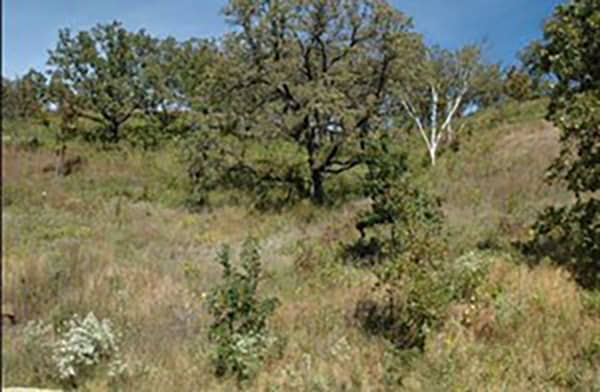
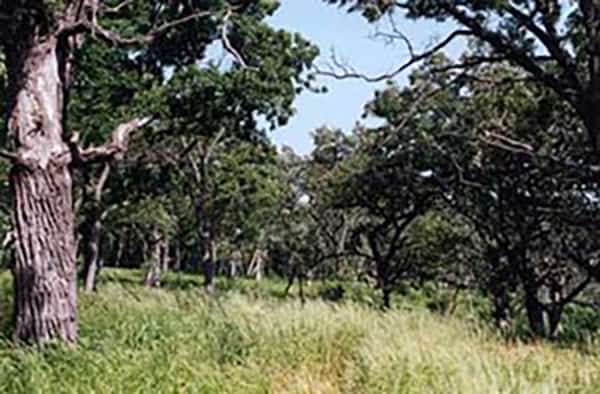
The steep south-facing ridge supports several prairie remnants, which are now thriving after intensive management began in 1995. The oak savannas, primarily on the ridge top, contain numerous large, open-grown bur and white oaks with many being over 150 years old. This area supports numerous grass, sedge, and forb species including the state-endangered purple milkweed (Asclepias purpurascens), which re-appeared after restoration and prescribed burning began.

The cooler north-facing slope is predominantly oak woodland with red oak, basswood, hackberry, butternut, yellowbud hickory, and red maple. The woodland contains a good variety of spring ephemerals.

The savanna and oak woodland support a diversity of bird species which include the red-headed woodpecker, a declining bird species of conservation concern. Other birds include blue-gray gnatcatcher, eastern wood pewee, tufted titmouse, eastern bluebird, yellow-throated vireo, scarlet tanager, black-billed cuckoo, and yellow-billed cuckoo.

Also present is the spring-fed Pleasant Valley Creek, which flows through the wetland and into East Blue Mounds Creek.

Notable Species:

South-Facing Prairie Remnant:

  • big bluestem (Andropogon gerardii)
  • little bluestem (Schizachyrium scoparium)
  • Indian grass (Sorghastrum nutans)
  • side-oats grama (Bouteloua curtipendula)
  • wood betony (Pedicularis canadensis)
  • bird’s foot violet (Viola pedata)
  • purple prairie clover (Dalea purpurea)
  • violet wood sorrel (Oxalis violacea)
  • prairie turnip (Pediomelum esculentum)

Oak Savanna:

  • purple milkweed (Asclepias purpurascens)
  • silky rye (Elymus villosus)
  • bottlebrush grass (Elymus hystrix)
  • ear-leaved brome (Bromus latiglumis)
  • leadplant (Amorpha canescens)
  • large-flowered yellow false foxglove (Aureolaria grandiflora)
  • Canada milk-vetch (Astragalus canadensis
  • Illinois tick-trefoil (Desmodium illinoense)
  • prairie alumroot (Heuchera richardsonii)
  • shooting star
  • spiderwort
  • giant yellow hyssop (Agastache nepetoides) – state threatened
  • upland boneset (Eupatorium sessilifolium) – special concern

North-Facing Slope:

  • bloodroot (Sanguinaria canadensis)
  • Jacob’s ladder
  • large-flowered bellwort- (Uvularia grandiflora)
  • yellow lady’s slipper orchid (Cypripedium parviflorum)
  • large flowered trillium (Trillium grandiflorum)
  • Dutchman’s breeches (Dicentra cucullaria)

Natural History

Pleasant Valley Conservancy consists of a long narrow ridge that runs almost due east/west, with steep hillsides facing both north and south. The north-facing slope is cool and moist and the vegetation is primarily oak woods. The south-facing slope receives the full brunt of the sun and is hot and dry. Its vegetation consists of oak savanna and prairie. Pleasant Valley Conservancy is part of the unique “Driftless Area” of southwestern Wisconsin, an area that the glaciers never reached. Surveyors notes and plant surveys tell us that the dominant vegetation before settlement was oak savanna, with areas of prairie along the edges of the streams and on the steepest south-facing slopes. The spring-fed Pleasant Valley Creek flows through the property, feeding into Blue Mounds Creek. Along the creek valley is an area of marsh and wet prairie.

The property was owned by the Lockwood Family for many years and was in general agricultural use from the 1880s through the 1950s. However, only about 15 acres of the property was ever in cropland (now planted to prairie). The rest was pasture, woodland, or wetland. After the early 1960s the property was in absentee ownership until Kathie and Tom Brock purchased it in 1980.

An air photo by the Soil Conservation Service, done in 1937, shows that the south-facing slope was predominantly prairie and oak savanna. The Wisconsin Land Cover map for the Town of Vermont, done around the same time, provides a similar picture. Most of the south-facing slope was probably pastured, but very slightly. Subsequent air photos show that after the 1950s, the south slope gradually deteriorated, losing its open character.

At the time restoration began in 1995, there was a small native “goat” prairie at the west end of the hill. The remaining parts of the south slope had small amounts of remnant prairie vegetation which were virtually overgrown with planted red pines, native red cedars, and invasive trees and shrubs such as black walnut, buckthorn, and honeysuckle. These woody plants were cut and removed from the south slope during the winter of 1997-98. Controlled burns were begun In the spring of 1998 and were extremely successful, leading to a resurgence of original prairie. Continued burns since then have returned the whole south slope to prairie.

At the time restoration began, the upper slope and the ridge top had many large open-grown oaks (mostly bur but some whites), but they were overun with invasive trees and shrubs. During the 1999-2003 period, most of this invasive woody vegetation was removed, and controlled burns were introduced, which were quite effective. Remnant herbaceous vegetation growing in a highly suppressed form was released. Continued burning at yearly intervals have encouraged further savanna vegetation. Careful monitoring and control of invasive shrubs has kept the savannas open.

Although the wetland had been tiled, it was abandoned to agriculture in the 1950s and the tiles gradually broke. Today, the wetland is of high quality and is fairly large for the Driftless Area. Many springs arise in the wetland and contribute water to a small creek that flows through the east end. Also, Pleasant Valley Creek is on the Conservancy and flows through the west end of the wetland. This cold-water spring-fed creek supports many wetland forbs and sedges. Reed canary grass, a common bane of wetlands, is present in only low amounts.

Volunteers

Various volunteer activities are carried out throughout the year. To be placed on a special email list for Pleasant Valley Conservancy, send an email or call site steward Kathie Brock.

Usage Policies

Currently not open to the public.

Ownership History

The Prairie Enthusiasts owns outright 37 acres of Pleasant Valley Conservancy and owns a permanent conservation easement on the remaining land. The 37 acre parcel had been owned by the Savanna Oak Foundation, Inc., a nonprofit foundation established by Tom and Kathie Brock. Savanna Oak donated this parcel gratis to The Prairie Enthusiasts in 2006.

The conservation easement on the remaining land was donated gratis to the Prairie Enthusiasts by Tom and Kathie Brock in 2006.

Pleasant Valley Conservancy was designated a State Natural Area in 2007.

Management

Some of the management activities of Pleasant Valley Conservancy have been supported by grants from the U.S. Fish and Wildlife Services (controlled burns of the wetland), Wildlife Habitat Incentive Program of the U.S. Department of Agriculture (oak savanna restoration), and Landowner Incentive Program of the Wisconsin Department of Natural Areas. The Conservation Reserve Program of the U.S.D.A. has also permitted us to plant prairie on our four CRP fields.

However, most of the restoration work at Pleasant Valley Conservancy has been supported by Tom and Kathie Brock through their Savanna Oak Foundation, Inc.

Management activities include the following (visit the Brocks’s website to see the details): controlled burns, seed collection and planting, on-going brush control, weed control, and plant species monitoring.