Newark Road Prairie

Newark Road Prairie

Newark Road Prairie

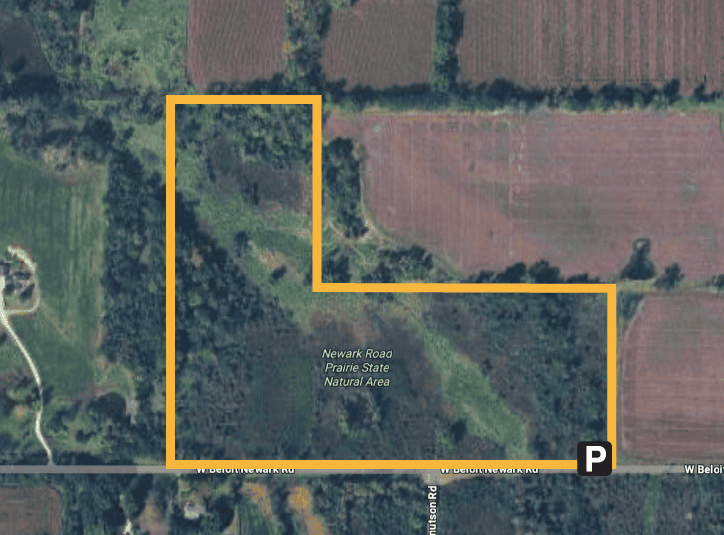
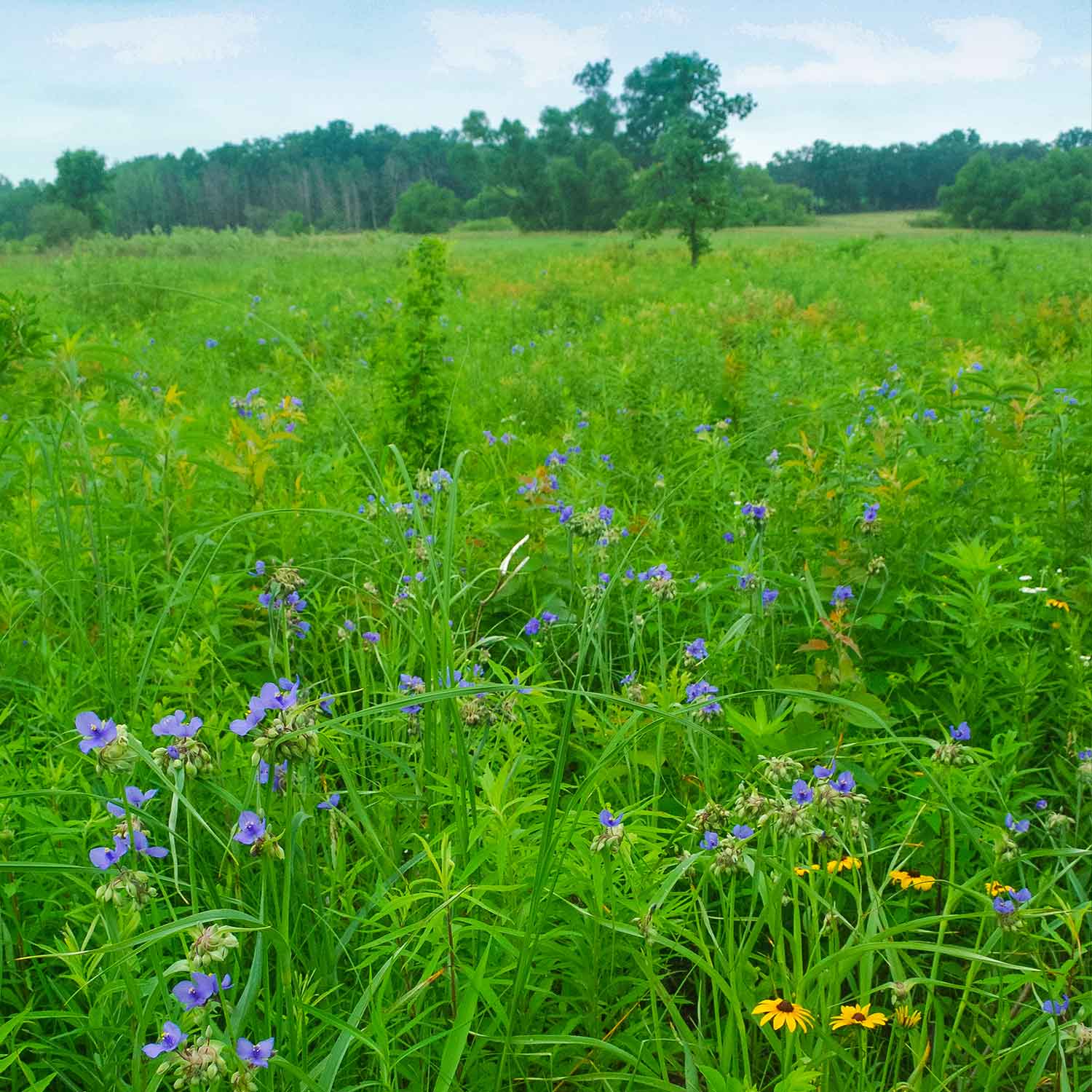
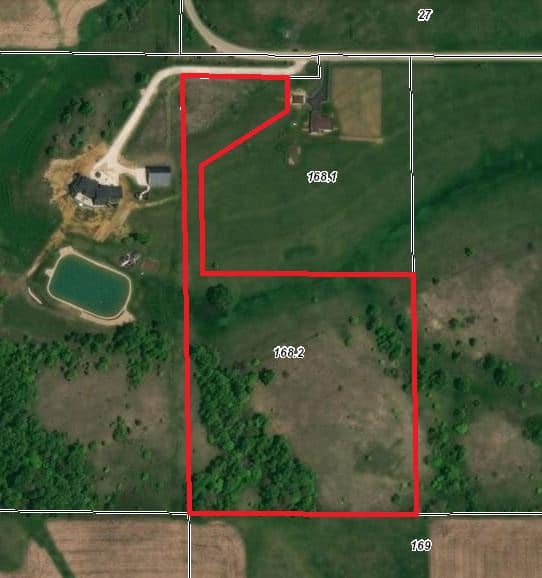
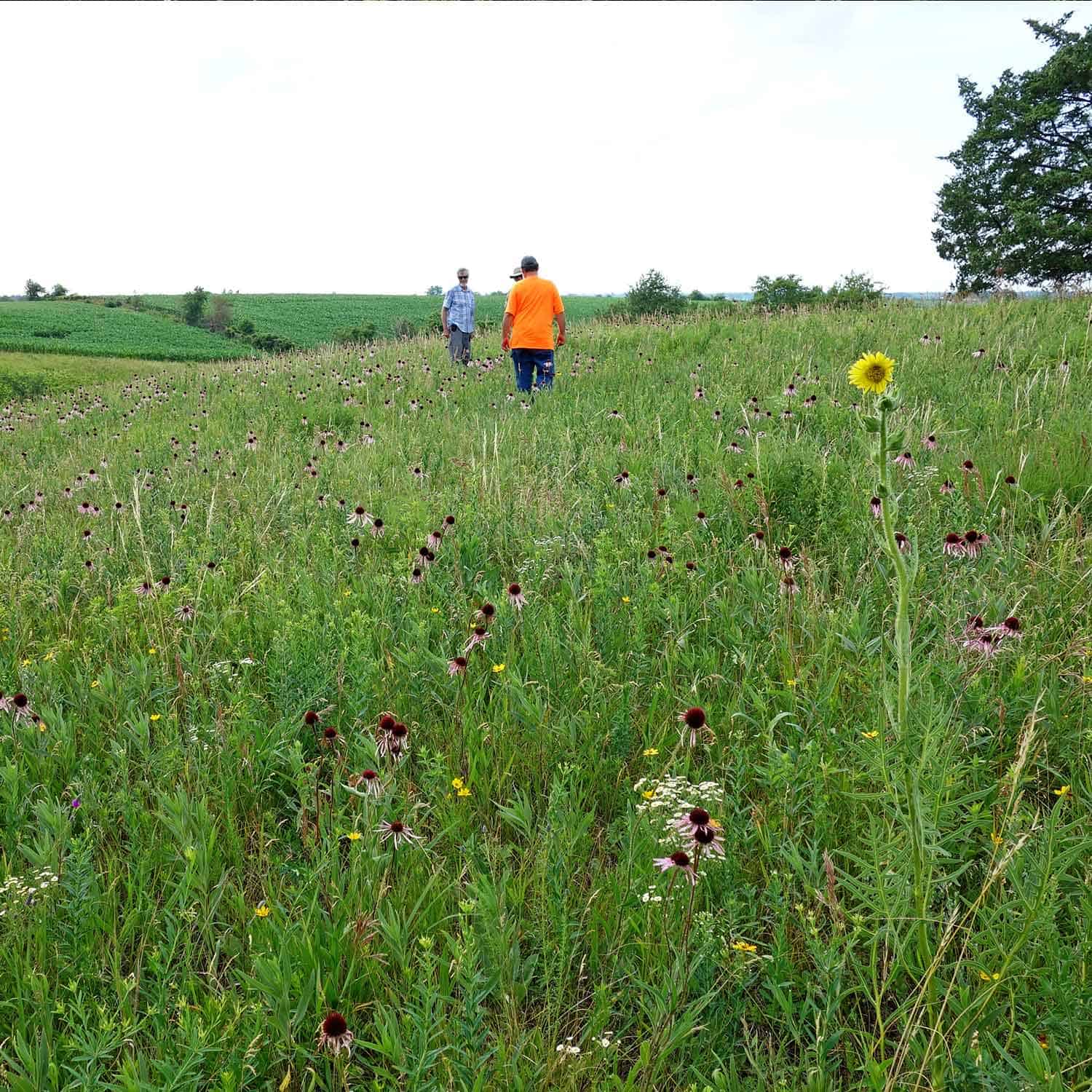
Since the early 1980s, Beloit College has been caring for Newark Road Prairie which consists of nearly 33 acres of high-quality wetland, prairie and oak savanna. To maintain its rich diversity, the land requires active stewardship consisting of frequent prescribed fires and invasive brush removal. For decades, Beloit College has had passionate volunteers, contractors and staff like Professor Richard Newsome stewarding the land. Recently, The Prairie Enthusiasts approached the college to collaborate on habitat stewardship. That relationship resulted in Beloit College generously donating the property to The Prairie Enthusiasts on March 21, 2024. The Prairie Enthusiasts will continue the site’s long legacy of stewardship, ensuring that the prairie will be a haven for wildlife for generations to come. “Newark Road Prairie is one of the most ecologically diverse areas that we are now stewarding,” says Debra Behrens, Executive Director of The Prairie Enthusiasts. “We’re grateful for the decades of care that many organizations have provided and look forward to continuing that land legacy.” 

SITE STEWARDS

PRAIRIE BLUFF CHAPTER

EMAIL

ACCESS & DIRECTIONS

Section Land 13-1-11, Newark Rd., 53511

Description & Significance

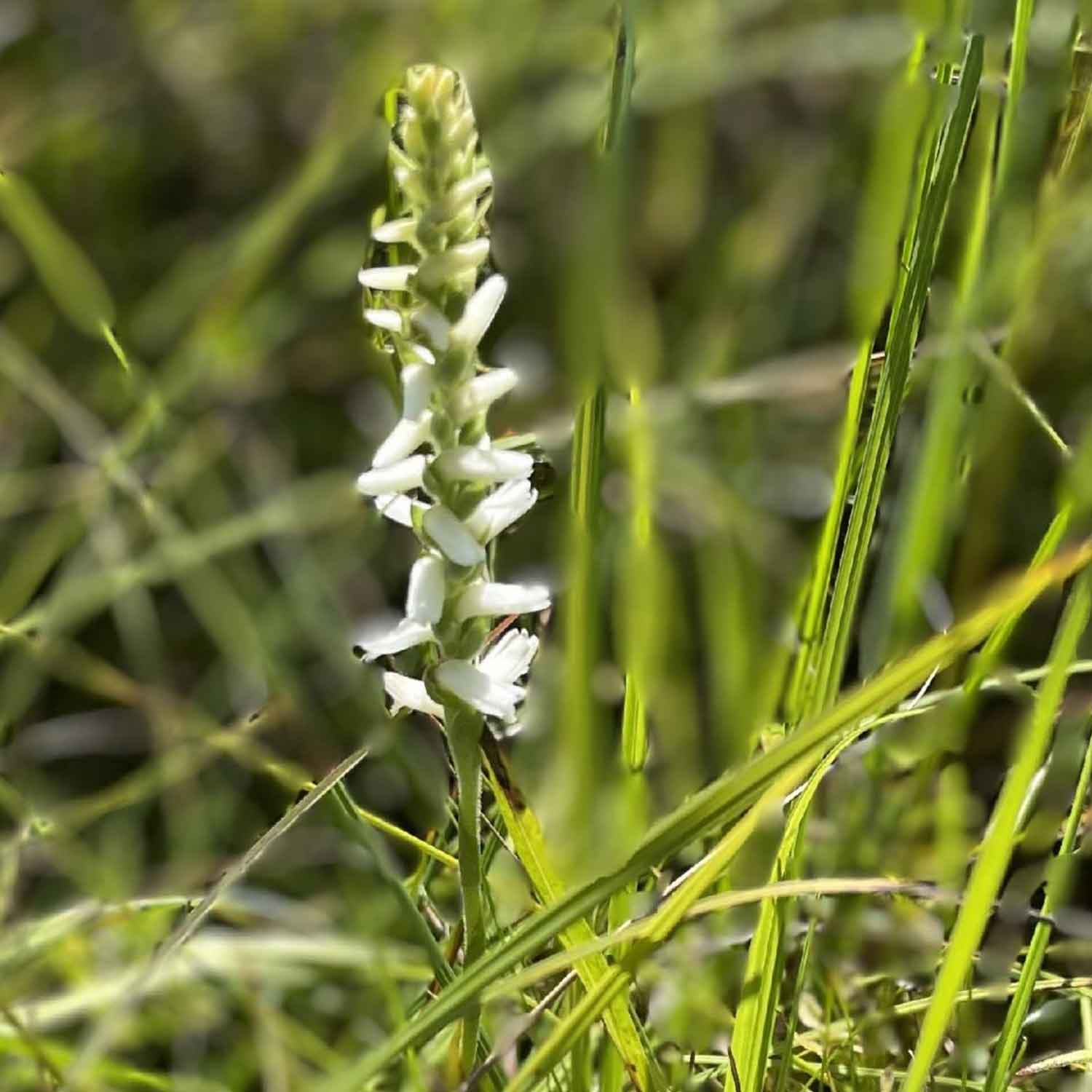
The property, which was originally protected in the 1970s by The Wisconsin Chapter of The Nature Conservancy, has been managed by college students and volunteers, Rock County Conservationists and The Prairie Enthusiasts. It is home to an incredible array of plants, insects and animals. Crayfish burrows create small mounds throughout the wetland, and rare plants draw in students and researchers. The diversity of wildlife there is so abundant that the Wisconsin DNR named it a State Natural Area in 1974. 

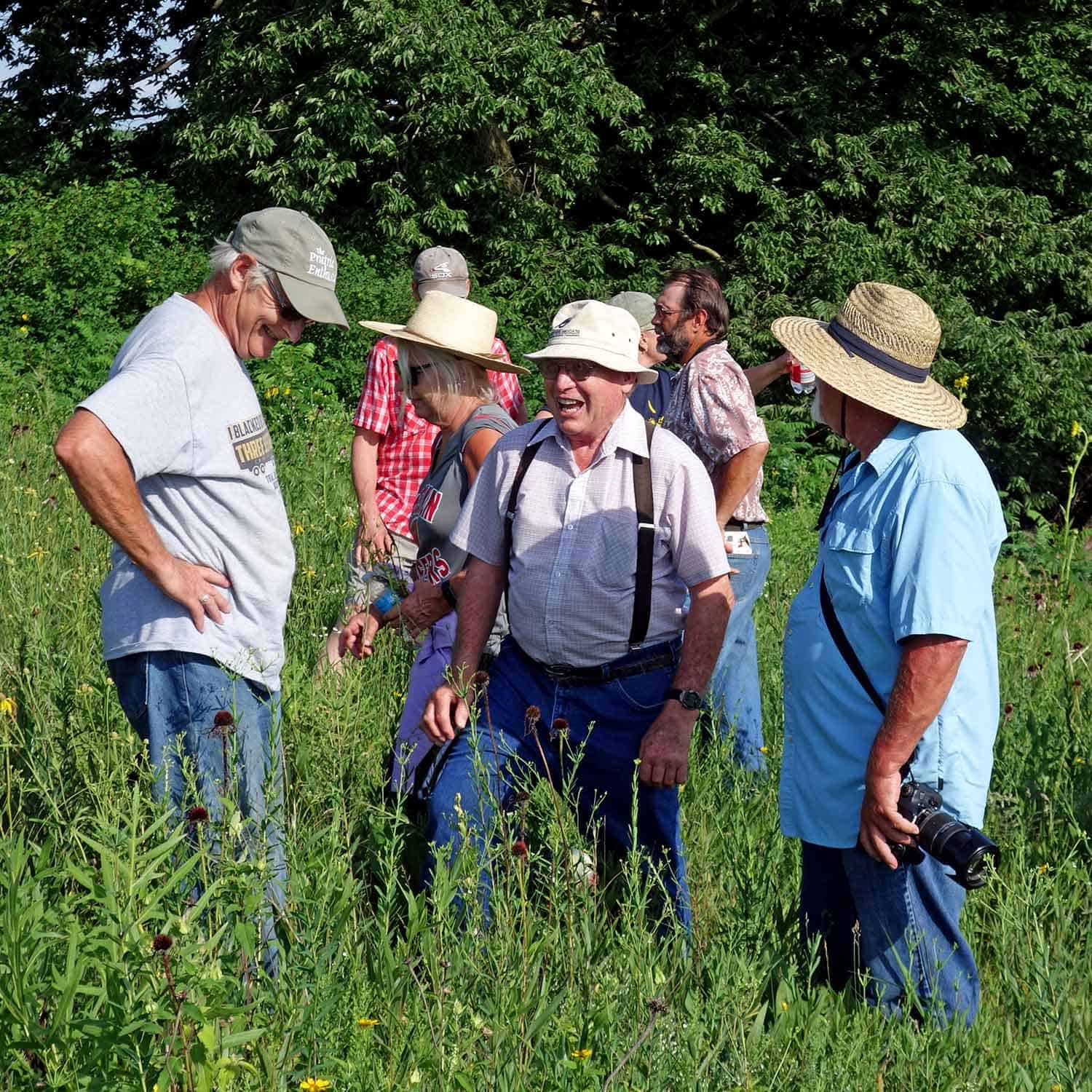
The property has also served as a place of ecological and geological education for Beloit College students who have examined the behavior of red-winged blackbirds, monitored streams and completed floristic surveys. Yaffa Grossman, Professor of Biology with Beloit College stated, “Newark Road Prairie’s rich floristic diversity provides a glimpse of southern Wisconsin’s rich prairie heritage. Beloit College students, faculty, and staff, the Rock County Conservationists and others have engaged in many field trips, research studies and prescribed burns at Newark Road Prairie during the past 40+ years. As The Prairie Enthusiasts assume the stewardship of this site, I expect that these activities will continue and grow.” Newark Road Prairie will continue to be a place of education for the college as well as be open to the public.
Usage Policy

Allowed:


Not Allowed:

Vale Prairie

Vale Prairie

Photo credit: Jerry Newman

Vale Prairie

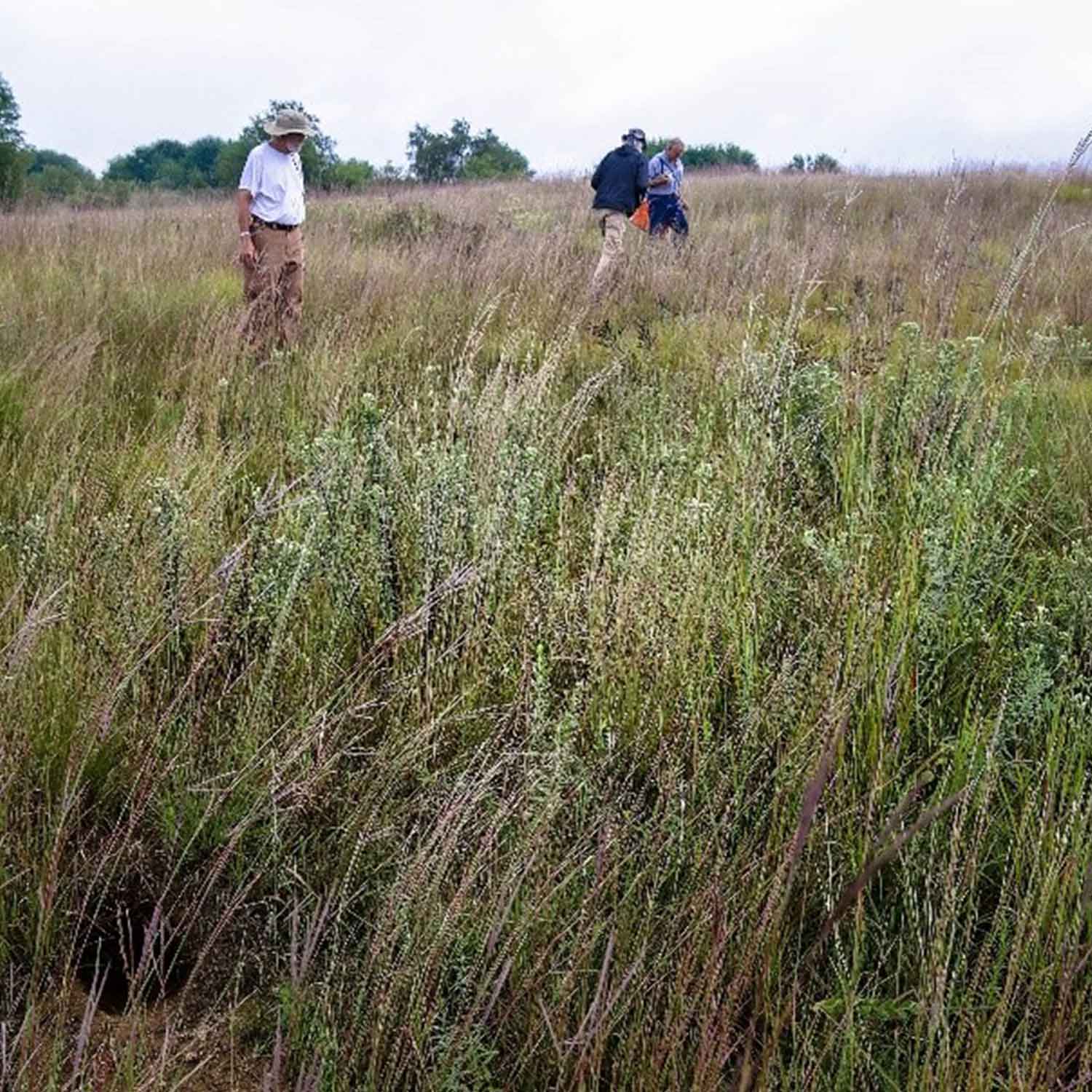
The Vale Prairie has over 70 species of native prairie plants, some of which are endangered, threatened and of special concern here in Wisconsin. This remnant is also home to the federally threatened prairie bush clover, a very rare plant found only in the upper Midwest!

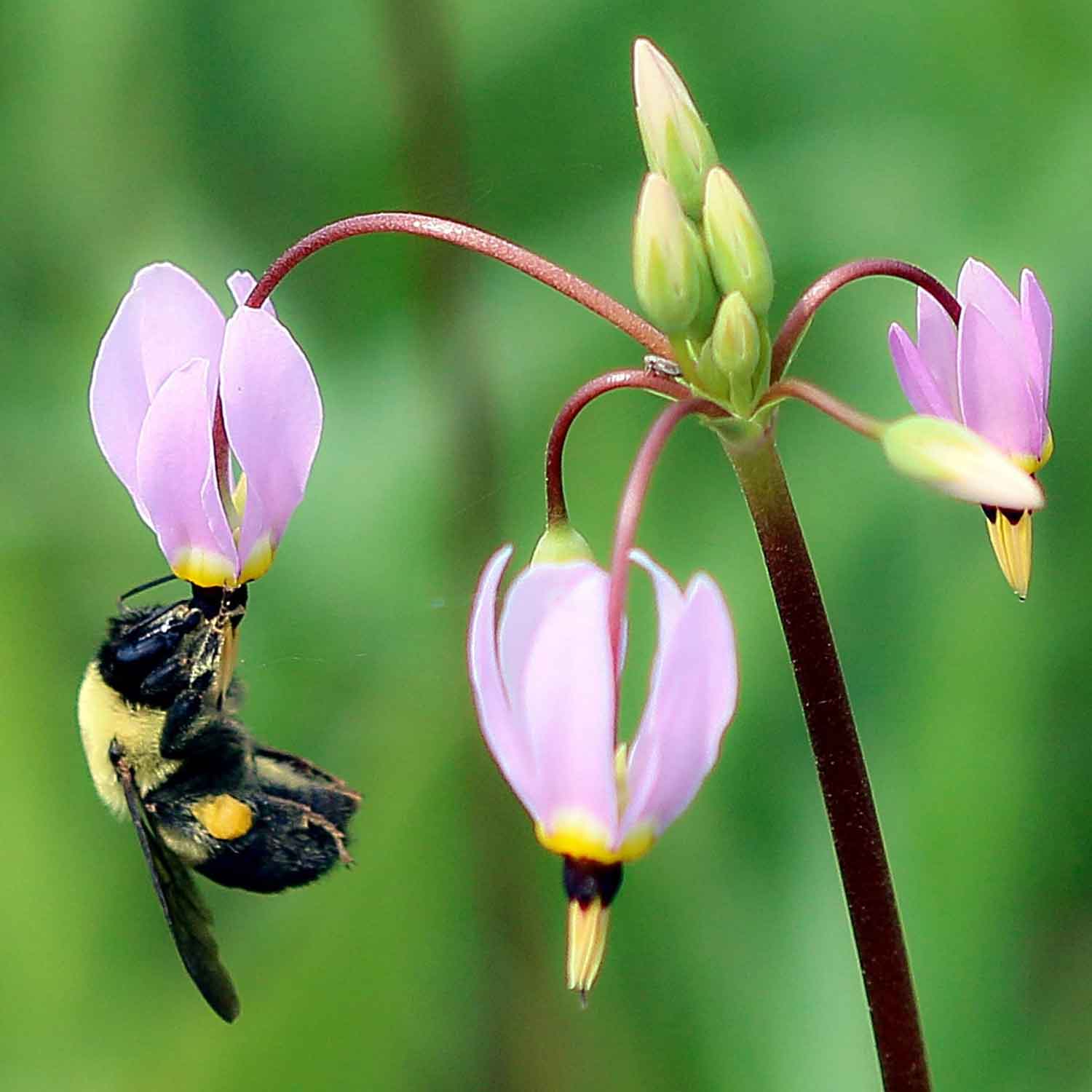
The state endangered pink milkwort is also found here. This remnant is the only protected site in the state where this plant has been found as of 1999. Other outstanding qualities of the site are its prairie smoke and shooting star displays.

Hiking here is considered moderately challenging. There are no trails, parts are rocky, and there are badger holes to be wary of. 

SITE STEWARDS

PRAIRIE BLUFF CHAPTER

EMAIL

ACCESS & DIRECTIONS


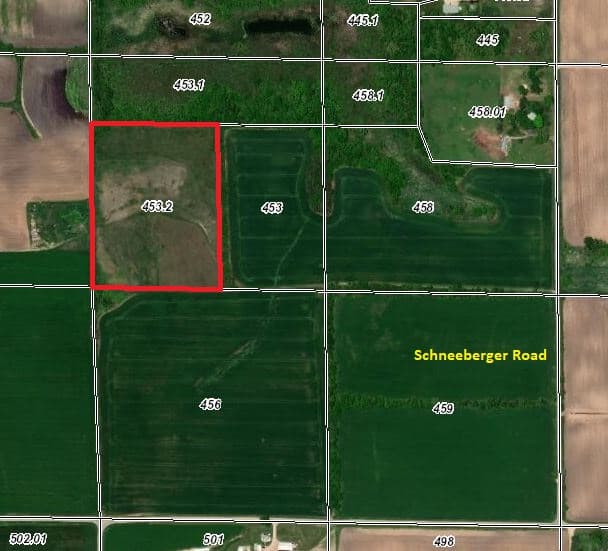
From Albany, go west on Mineral Point Road to Purinton Road. Continue west to Schneeberger Road, turn right (north) and go about 4/10 of a mile, and park along the road. Walk in to the west of Schneeberger, on a rutted dirt track along a fence line, a quarter-mile on our narrow easement between crop fields.

Google Map

Ownership History

The remnant was first located in the mid 1970’s. Back then there was no such thing as The Prairie Enthusiasts. There was just a small bunch of guys who loved prairies and liked to burn them, then drink beer and talk about preserving remnants. The Vale Prairie was managed for about five years, then left to its own until 1992, when the Southwest Chapter purchased the 4.5 acre remnant and 11.5 acre buffer for a total of 16 acres. That was truly a fine purchase. The site was named the Vale Prairie after the owners, Harold and Crescent Vale, who were in favor of its protection and restoration.

Photo by Jerry Newman

Management

In the winter of 1993, TPE volunteers and Wisconsin Conservation Corps crews cut and stump treated all woody vegetation on the site. After eight years of work, the area is recovering nicely. Part of the restoration plan involved replanting an area of 1.5 acres in the southwest corner of the property because smooth brome had completely taken over. Our plan was to spray it with Roundup, collect seed, and replant. The spraying was done, and several months later, to our complete amazement, most of the regrowth was of prairie plants, apparently released to grow when the brome was killed! It was decided that the buffer areas would serve as a sort of genetic refuge for disappearing species from within Green County. Two species that have been nearly extirpated in Green County are Wild Quinine and Pale Purple Coneflower, so seed was collected from one coneflower site and three quinine sites and sown there. We now have a healthy and growing population of these plants.

Photo by Jerry Newman

In addition, part of the restoration plan involved expanding the remnant size, but only by using seed from the remnant. To date, a strip 30 feet by 400 feet has been restored on the south edge, and another area on the west end, measuring 45 feet by 100 feet, also has been restored. Areas that were heavily shaded by dense trees and brush have been mowed annually with a sickle bar mower. These areas are difficult to work with due to the fact that birds used the trees as perches for years, and as we all know, where there are birds, there are bird droppings, usually laced with seeds of everything except prairie plants! Once the shady trees are gone, these seeds grow like crazy. Presently the remnant is surrounded by old hayfields dominated by orchard grass. It does serve as a grassland habitat for some bird species, but our hopes are to plant these areas to prairie as well. 

Photo by Jerry Newman

Skinner Prairie

Skinner Prairie

Photo credit: Jerry Newman

Skinner Prairie

Skinner Prairie is a hillside north of Monroe with a rich history. As early as 1828, John Skinner found lead deposits here in rock outcrops at the surface. U.S. surveyors noted Skinner’s diggings in May 1832 on the section line map marked today by power poles.

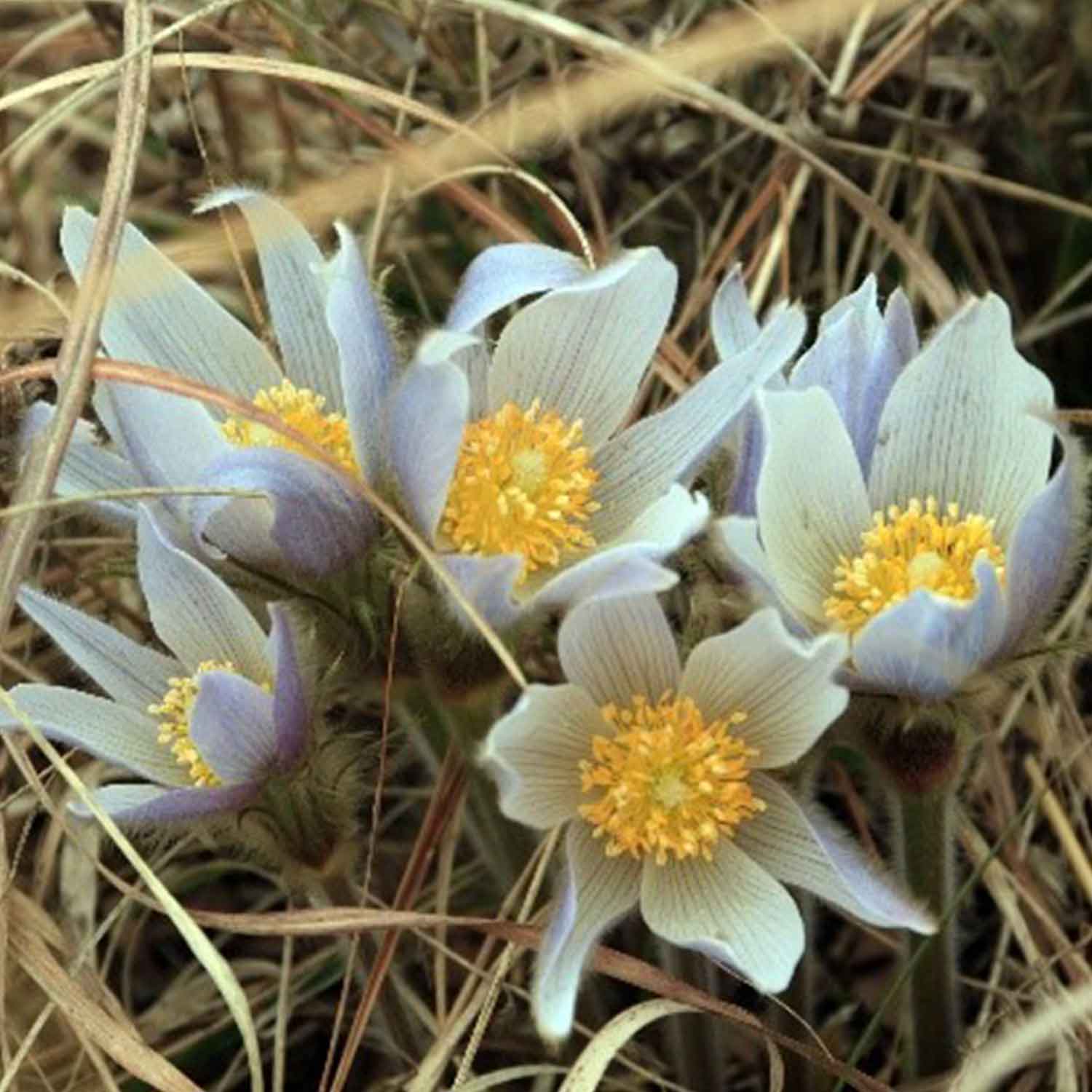
Pasque flower and lead plant still bloom in the thin soil at Skinner. The pits are easy to find, and the prairie is open for hiking and birding — thanks to a donation of 12.10 acres in 2018 to The Prairie Enthusiasts by Jim and Karen Freymiller.

There are no trails on the prairie, and is considered difficult to hike. 

SITE STEWARDS

PRAIRIE BLUFF CHAPTER

EMAIL

ACCESS & DIRECTIONS


Located in Green County, Wisconsin, between Monroe and Monticello off Highway 69. Go west on either Center Road or Cold Springs Road, which merge, and go west 1 mile to W5677 Center Road. Open every day. No hunting. From the west, Skinner Prairie is between County N and Hwy 69; take Buehler Road to W5677 Center Road. Park along Center Road & walk in past the mailbox for W5677 Center Road, the eastern driveway. Please do not block either driveway. Access to the prairies is on foot from the driveway, past the cemetery via the unpaved maintenance two-track. Ahead and to the right is Little Skinner, a small parcel that marks the northwest corner, and the junction of 4 sections (2, 3, 10, and 11) in Monroe Township. To get to the big prairie, proceed downhill to the south via a 50-foot wide access through old pasture. The low ground can be wet, as it drains this valley into Argus School Branch and Bushnell and Skinner Creeks. Big Skinner prairie is the northwest-facing hillside, with wooded ravines on both edges. Yellow signs mark our boundaries. The central prairie is steep and rocky, with deep pits.

Google Map

Description & Significance

Photo credit: Jerry Newman

In the early spring, look for pasque flowers and listen for meadowlarks. Find a population of prairie turnip (Pediomelum esculentum), a plant of Special Concern in Wisconsin, with optimal viewing from early June to late August. See kingbirds hunt insects from the hawthorns. Practice your ID skills: find bluestems, dropseed and side oats grama. The autumn months bring chapter seed collecting parties to Skinner Prairie for purple prairie clover and coreopsis. Notice how the prickly ash and hawthorns survived years of grazing to form large native colonies.

Ownership History

Photo credit: Jerry Newman

In 1976, the Wisconsin Department of Natural Resources published a Natural Area Inventory of Green County, written by Gary A. Birch with the assistance of Gary Eldred, Reynold Zeller and Clifford Germain. One of their sites was Sager Prairie, 35 acres of hillside in the Town of Monroe: “A relatively large dry prairie dominated by side-oat grama and little bluestem. There are more than 40 prairie species present.”

Local historian and prairie enthusiast Gary Felder visited Skinner Diggings one spring day in 1987, and found pasque flowers “in numbers that stagger the imagination,” with thousands of the early spring wildflowers covering the entire remnant hillside “like a blanket” spreading over the old mine shafts and rock piles. He wrote an article for the December 1988, newsletter of the Wisconsin Prairie Enthusiasts about Skinner Prairie:

“It is not very often that an individual is fortunate enough to find a natural area that satisfies the interests of two hobbies. In my case, local pre-settlement and early pioneer history coupled with the enjoyment of Green County’s remnant prairie sites. Skinner Prairie fits these criteria like no other site in Green County.”

In 1996, Gary Felder tried to find a buyer for Skinner Prairie — 40 acres of remnant prairie – that was subdivided into three home lots by the owner and listed with a local realtor. All the likely conservation buyers had other projects at the time, so all three lots now have houses. One of the buyers was Jim and Karen Freymiller, who built a house off Center Road, away from the prairie hillside that was their backyard acreage. One day Felder knocked on their door, and invited the couple to explore the prairie and diggings with him. Jim grew up in Boscobel and trained bird dogs, so he quickly caught Gary’s enthusiasm for native landscapes. In addition, this one had a chapter from Green County’s early mining history.

Management

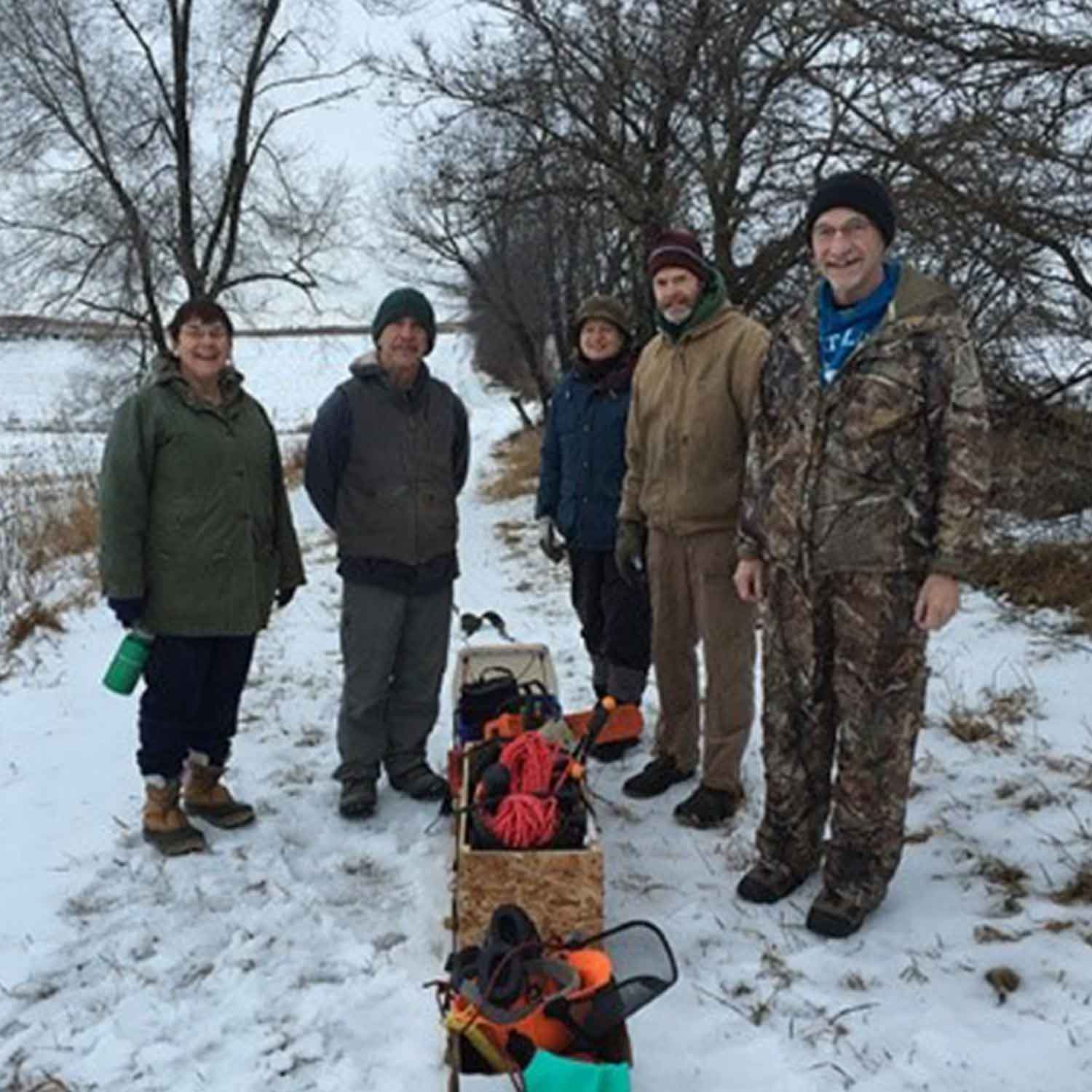
Volunteers from the Prairie Bluff Chapter have thinned out sumac and prickly ash on all sides. We mow weeds every summer to prevent parsnip, sweet clover and wild carrot from going to seed. We collect seeds here: side-oats grama, little bluestem and dropseed. Skinner Prairie, unburned for 100 years, got weedy and brushy after cattle stopped grazing about 70 years ago. Currently our fire regime is to burn some of this hillside, every five years (2013, 2018, 2023), although we burned a quarter-acre of a west side remnant for dropseed production in 2019.

Muralt Bluff Prairie

Muralt Bluff Prairie

Muralt Bluff Prairie

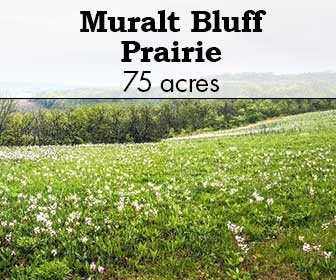
Muralt Bluff Prairie is the largest preserve managed by the Prairie Bluff Chapter. It is a site with special significance for The Prairie Enthusiasts who consider it the place where our efforts for prairie preservation began some 50 years ago. Muralt Bluff Prairie consists of 75 acres including dry prairies with a thin limestone cap over sloping sandstone sides. Frequent prescribed fires have created an ecosystem where rare species of plants and animals are now thriving.


An unusually spectacular bloom of blazing stars and goldenrods at Muralt Bluff Prairie in 1989. Photo by Gary Eldred. 

Muralt Bluff Prairie

Blazing stars and golden rod at Muralt Bluff Prairie in 1989. Photo by Gary Eldred.

Muralt Bluff Prairie is the largest preserve managed by the Prairie Bluff Chapter. It is a site with special significance for The Prairie Enthusiasts who consider it the place where our efforts for prairie preservation began some 50 years ago. 

Muralt Bluff Prairie consists of 75 acres including dry prairies with a thin limestone cap over sloping sandstone sides. Frequent prescribed fires have created an ecosystem where rare species of plants and animals are now thriving.

Access & Directions

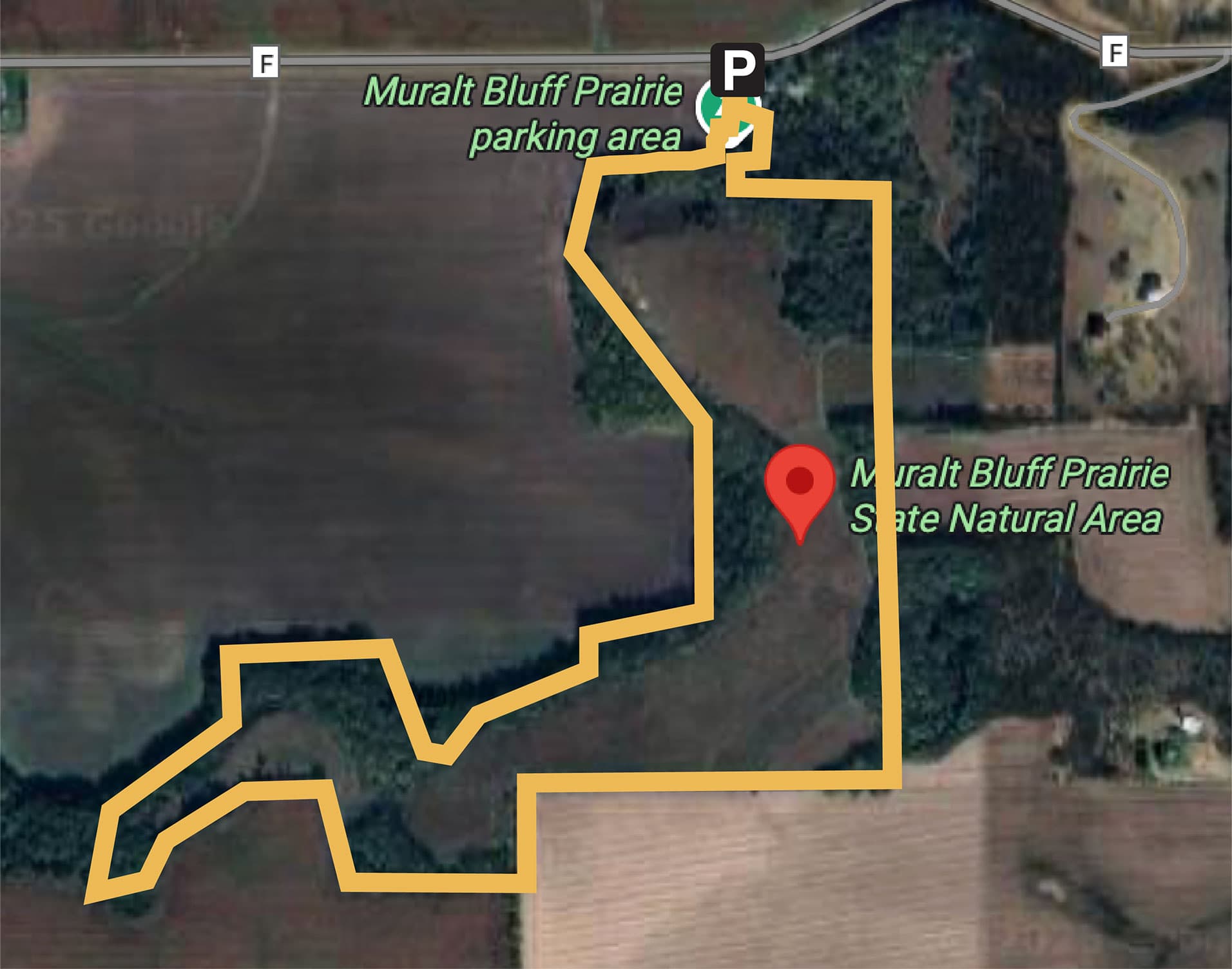
This prairie does not have any maintained trails or burn breaks on the site. However, visitors are welcome to hike the steep bluff. 

The parking lot for Muralt Bluff Prairie is located near W2635 County F, between Monticello and Albany. Access is by foot only up the steep bluff, and a trail will take you to the farthest west end. You can return by following the firebreak along the south and east edges.

Google Map

Site Steward

Connect with the site steward to see how you can care for this rare habitat at an upcoming work party.

Site Steward: Tom Mitchell (Email)

How to Enjoy This Site

Allowed:

  • Hiking
  • Bird Watching
  • Dogs (must be on a leash during bird breeding season from May-July)
  • Hunting (all legal species; no permit or reservation required)

    Not Allowed:

    • Collecting plants, rocks or animals

    How to Enjoy This Site

    Allowed:

    • Hiking
    • Bird Watching
    • Dogs (must be on a leash during bird breeding season from May-July)
    • Hunting (all legal species; no permit or reservation required)

      Not Allowed:

      • Collecting plants, rocks or animals


      Enjoying the spring shooting star blooms at Muralt Bluff Prairie. Photo by Jerry Newman.

      What Makes Muralt Bluff Special

      Best times to see the abundant native plants are spring and fall. In early May, a large population of prairie smoke blooms on the northwest bluff along with shooting star, puccoon, violet, sand cress and Pasqueflower. Later in autumn, you can see all the tall grasses, nine kinds of asters, five species of goldenrods, gentians and blazing stars. Many other threatened and endangered species find a home here. However, changes in the surrounding land use have reduced the available grassland habitat from hundreds of acres in the 1970s to only the Muralt footprint today.

      On July 20, 2014, a visitor to Muralt Bluff Prairie posted to the Southern Wisconsin Butterfly Association (SWBA) website a tally of the more than 100 butterflies that he spotted:  including giant swallowtail, eastern tiger swallowtails, clouded sulphurs, coral hairstreaks, summer azures, great spangled fritillaries, pearl crescents, question marks, eastern comma, mourning cloak, American lady, red admirals, red-spotted purples, common wood nymphs, monarchs, northern broken-dash and Delaware skipper.

      The elevation of Muralt Bluff Prairie is also a sight to behold, with views of Blue Mounds some 40 miles away. 

      Outcrops of limestone and sandstone rocks are present on the site.  Erratic boulders from an earlier episode of glaciation are present.  The last advance of the ice sheet stopped about 10 miles to the northeast 16,000 to 18,000 years ago, but a pro-glacial lake, named Glacial Lake Broadhead by Wisconsin geologists, backed up the valleys of Sylvester and Searles Creeks and the Sugar and Little Sugar Rivers, flooding the broad valley to the north of Muralt Bluff Prairie.  

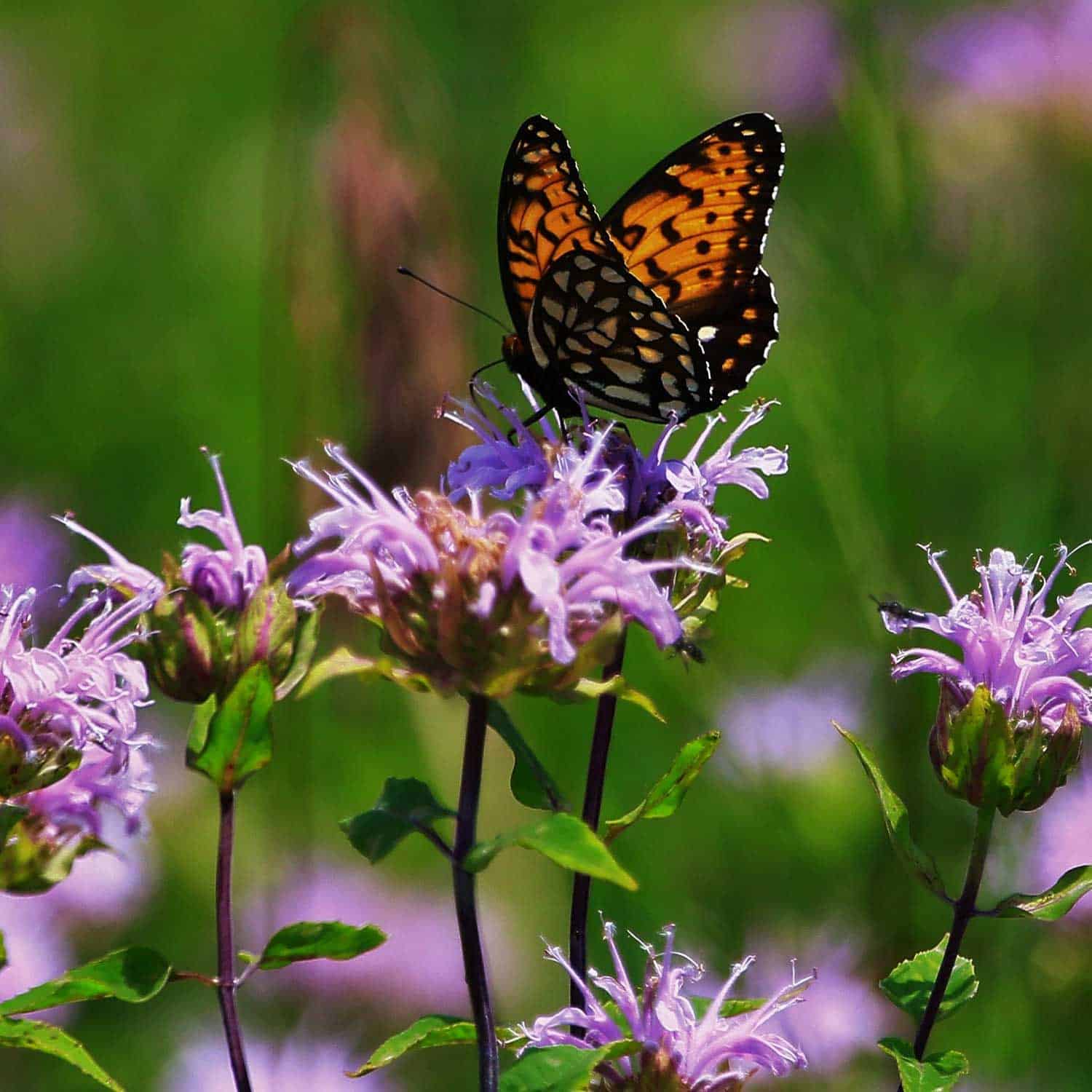
      Wisconsin State-Endangered regal frittilary butterfly feeding on wild bergamot at Muralt Bluff Prairie in 2017. Photo by Gary Eldred.

      How was Muralt Bluff Protected

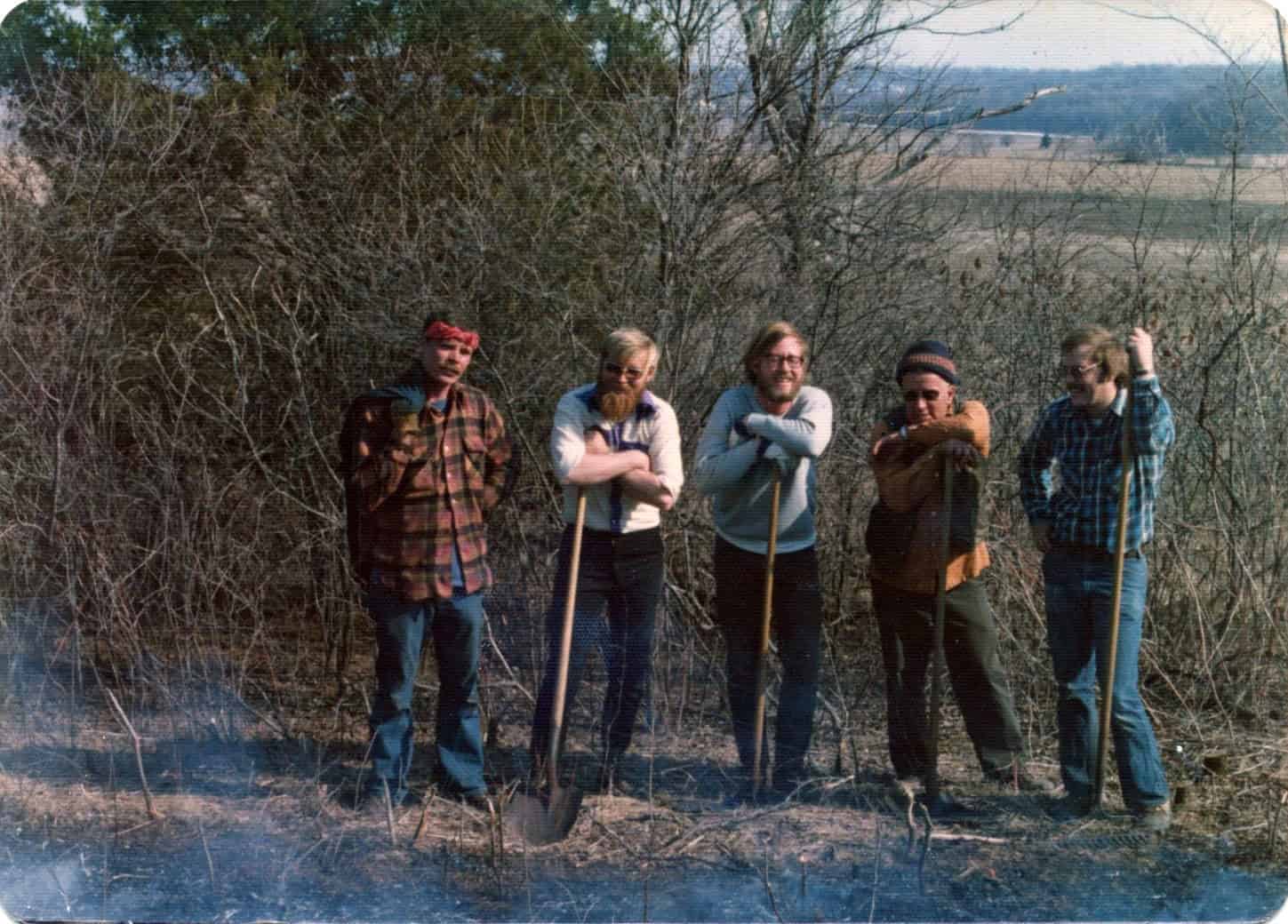
      During the early 1970s, early Prairie Enthusiasts Gary Eldred and John Ochsner independently discovered the unusual tall grasses and flowers covering Muralt Bluff Prairie. They kept visiting the site and made a plan to conduct a prescribed burn there. In April of 1975, Gary and John joined Reynold Zeller, Dan Hazlett, Jonathon Wilde, Deanne DeLaronde, Chuck Philipson, Tim and Peggy Hammerly, and John Ringhand as they dropped a match in the southeast corner and watched the fire follow the wind across the field to the north.  Their suppression  tools—snow shovels and burlap bags—proved inadequate to slow or stop the fire.  The Albany Fire Department responded to reports of a wild fire, but they were unable to get their trucks up the bluff, so everyone stood and watched as the fire eventually ran out of fuel.  Many cedar trees were scorched, the ground was blackened. But the following summer erupted in blooms of native flowers which were long suppressed by lack of fire. The sight was impressive enough that the Green County Board of Supervisors was persuaded to buy the acreage, protecting it from development. Read more about this first prescribed burn HERE.

      Muralt Bluff Prairie was dedicated as a Wisconsin State Natural Area in 1977. With the help of The Nature Conservancy, an additional 12 acres was added to the site in 1981. The county deeded Muralt Bluff Prairie (then 62 acres) to The Prairie Enthusiasts in September, 2013. With the addition of the adjacent Iltis Savanna this is a 95-acre mosaic of prairie, savanna and woodland.  A fourth parcel, Stauffacher Prairie, which is located a mile away across from Gap Church on Highway 59, is considered by the Wisconsin DNR to be part of the Muralt Bluff Prairie SNA although that land is owned by the State of Wisconsin.

      In 1975, some of the original Prairie Enthusiasts conducted their first major prescribed burn. Some of the crew here left to right: Dan Hazlett, Gary Eldred, Jonathon Wilde, Reynold Zeller, Chuck Phillipson. Photo by John Ochsner.

      How You Can Help Muralt Bluff Prairie

      The Prairie Bluff Chapter is stewarding the site by removing colonies of aspen, sumac, dogwood, prickly ash and honeysuckle that had invaded from the fence lines and wooded edges. These species are being removed as they smother and shade out the native plants and grasses.

      Check out our Events Calendar to see upcoming work parties or contact the site steward to get involved.
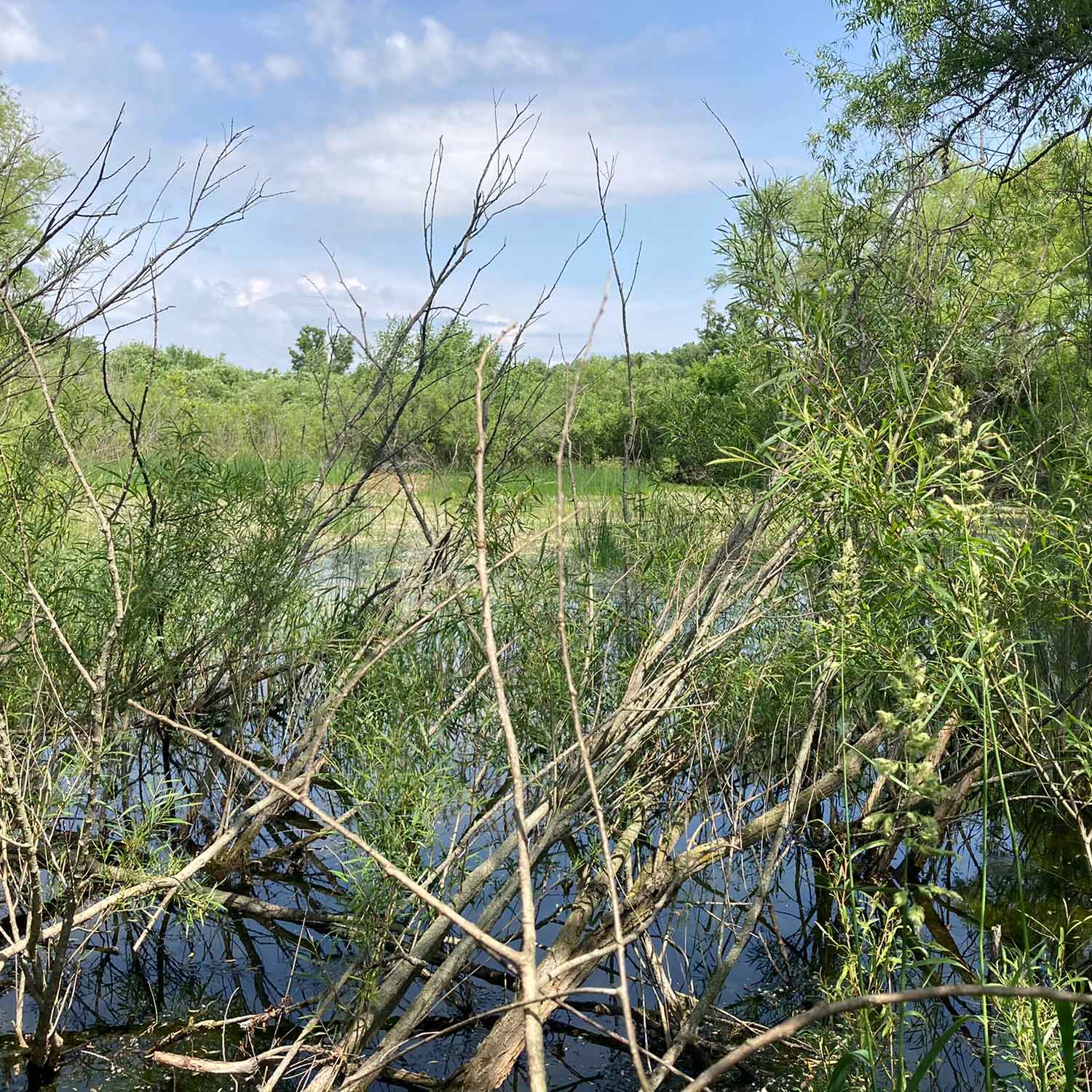
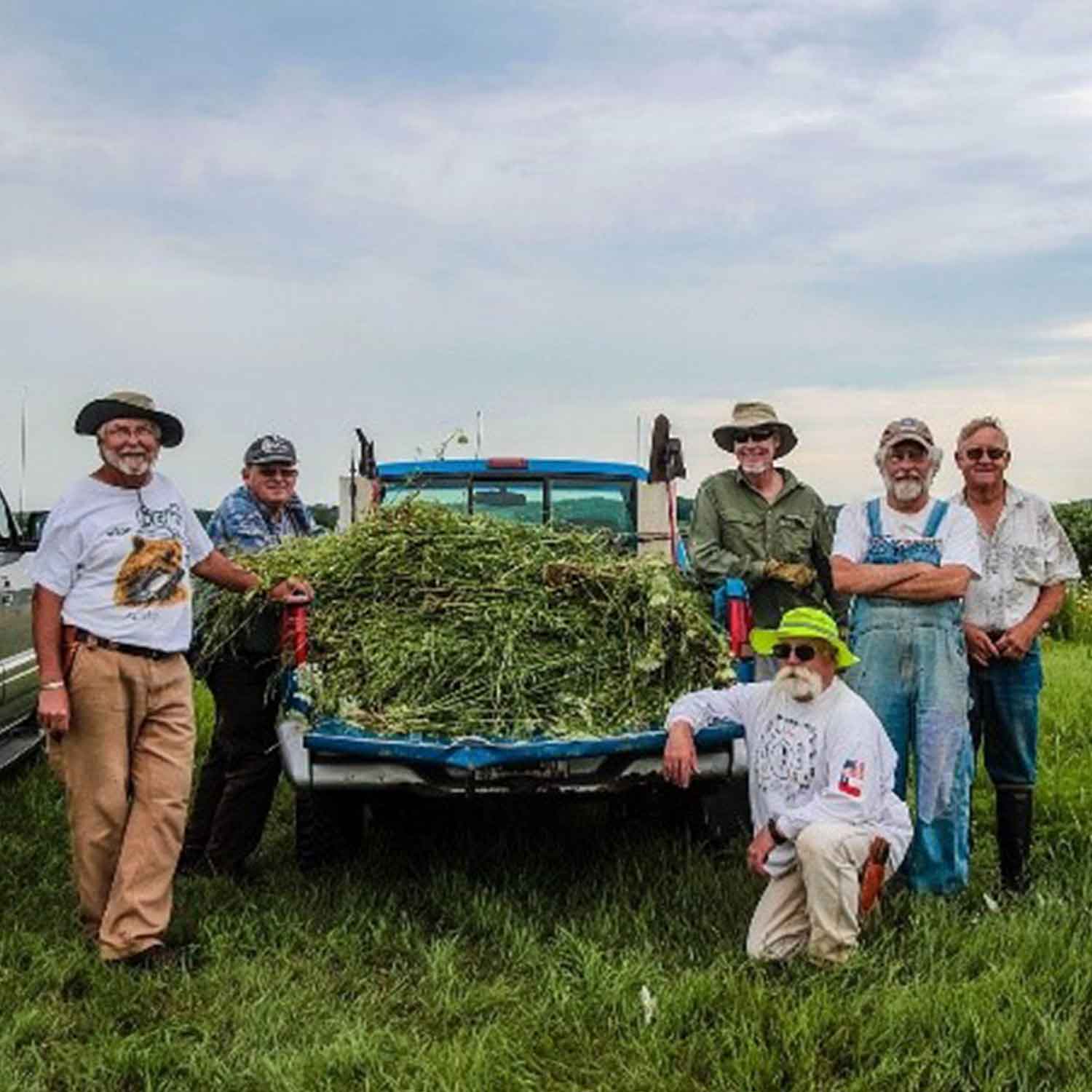
      Volunteers collecting native plant seeds at Muralt Bluff Prairie. Photo by Jerry Newman.