People_Peter_Hartman

People_Peter_Hartman

Who We Are

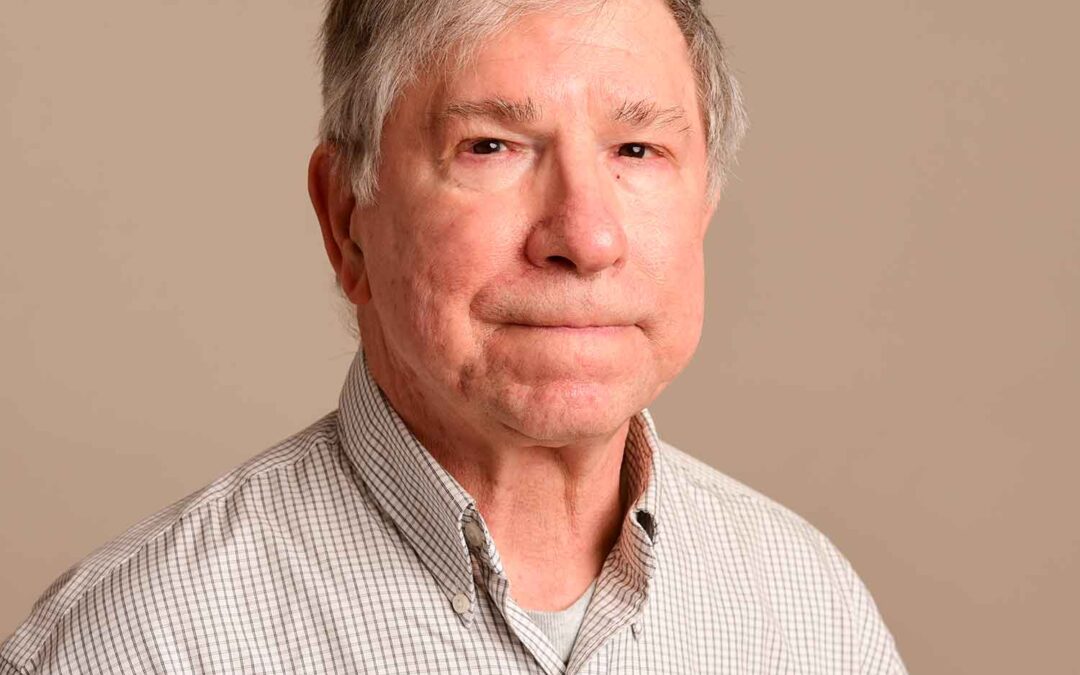
Peter Hartman

Minnesota Driftless Chapter Representative

Contact at: Info@ThePrairieEnthusiasts.org

As a teenager, Peter Hartman had the opportunity to live on a Wisconsin dairy farm for several summers and work with the Youth Conservation Core in Northern Wisconsin. Peter attended UW Milwaukee where he earned undergraduate degrees in Botany, Zoology and Chemistry. An advertisement for jobs in soil conservation led him to UW Madison where he took soil and conservation engineering classes. Peter was inspired by soil and the five soil forming factors: parent material, climate, biota, topography and time. Soil tied together his love for geology, plants, landforms, and earth history. Peter became a Soil Scientist and a soil mapper for years, first in Indiana then in Minnesota with a mapping detail in Florida. He mapped over a million acres. Peter then became an Area Resource Soil Scientist in Rochester, MN for NRCS. That job gave him the opportunity to dig into soils even deeper and work with engineers on soil conservation projects. This opportunity got Peter involved in Soil Health and opened his eyes to the damage conventional farming practices are doing to our environment. Peter briefly retired, but then did a contracted NRCS project: an ecological site description project on bluff prairies in the Driftless Area. Peter retired again from NRCS over ten years ago and now spends a lot of his time with his family, volunteering, and studying the world and our place in it. For Peter, it has been a great joy to be a volunteer with The Prairie Enthusiasts. The good work The Prairie Enthusiasts does is his motivation. He is thrilled by all the things he has learned about fire ecology and loves spending time in the natural areas we are preserving.

People_Alice_Mirk

People_Alice_Mirk

Who We Are

Alice Mirk

Vice President

Contact at: Info@ThePrairieEnthusiasts.org

Alice was one of the original founders of The Prairie Enthusiasts. Her skills have contributed to the creation and growth of The Prairie Enthusiasts with her 25 years of experience in public policy, legislative action, and grant writing with the State of Wisconsin. In her career, she managed budgets, planned and managed projects, planned and performed quality assurance and quality improvement activities, and managed staff state-wide. Alice has dedicated her knowledge and time to The Prairie Enthusiasts, acting as treasurer, board member, membership coordinator, and vice president. She is also an active member of the Glacial Prairie chapter and, with her husband Walter, assists in making and shipping makutus.

People_Jim_Rogala

People_Jim_Rogala

Who We Are

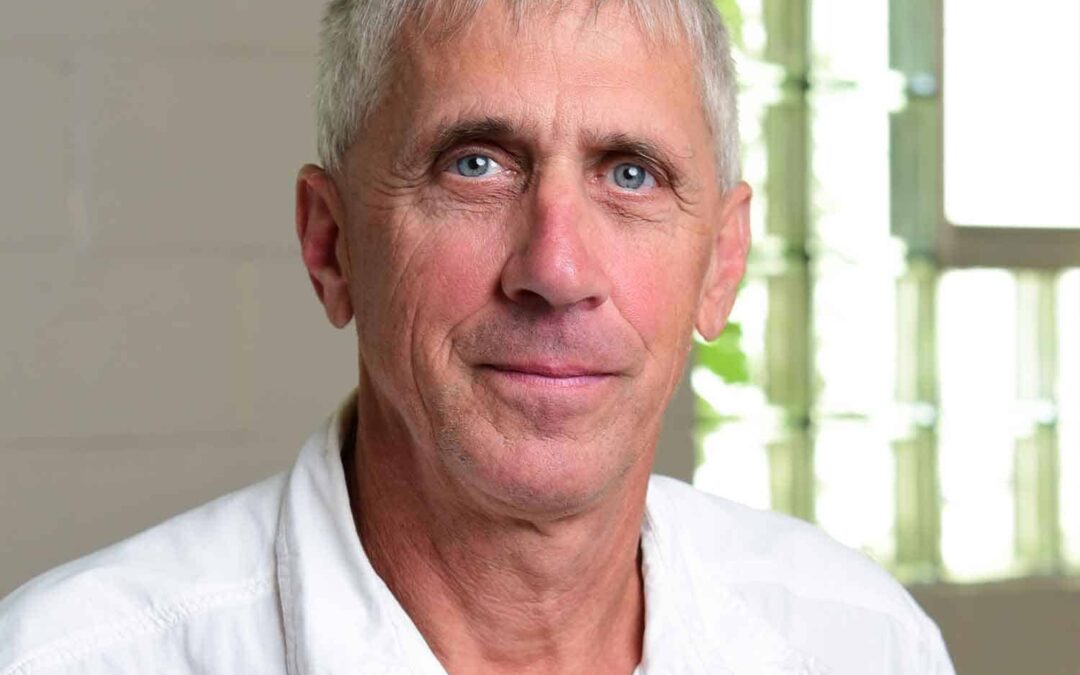
Jim Rogala

President

Contact at: Info@ThePrairieEnthusiasts.org

Jim began his term as President in the summer of 2022. He retired from a career as an aquatic ecologist with the United States Geological Survey, where he worked on the Upper Mississippi River Monitoring Program. Among his many skills, he has experience with statistics, Geospatial Information Systems, surveying, and database management.  When not devoting his time to the many committees within The Prairie Enthusiasts, he is restoring hill prairies on his property. He and his wife started their journey learning about prairies when they purchased land in 1990 and discovered an opening with many flowering species. After purchasing some additional acreage with two more hill prairies, Jim began learning about fire-dependent ecosystems and was determined to steward them. “I began to realize I needed some advice on what to do, and in 2002, I came across an organization that is solely dedicated to preserving prairie remnants in the Upper Midwest. I find The Prairie Enthusiasts to be a perfect community for sharing knowledge among those dedicated to prairie and savanna restoration.”

A Legacy of Land Stewardship Continues for a Rare Habitat in Rock County

A Legacy of Land Stewardship Continues for a Rare Habitat in Rock County

A Legacy of Land Stewardship Continues for a Rare Habitat in Rock County  

Written by Sarah Barron. Photos by Joshua Mayer
March 21, 2024

Newark, WI—As spring begins, nature lovers anticipate the first sounds of sandhill cranes and spring peeper frogs. However, habitats that can support these species and others like them have become increasingly rare. That’s why the protection and stewardship of these threatened places and the life they support is more important now than ever.  


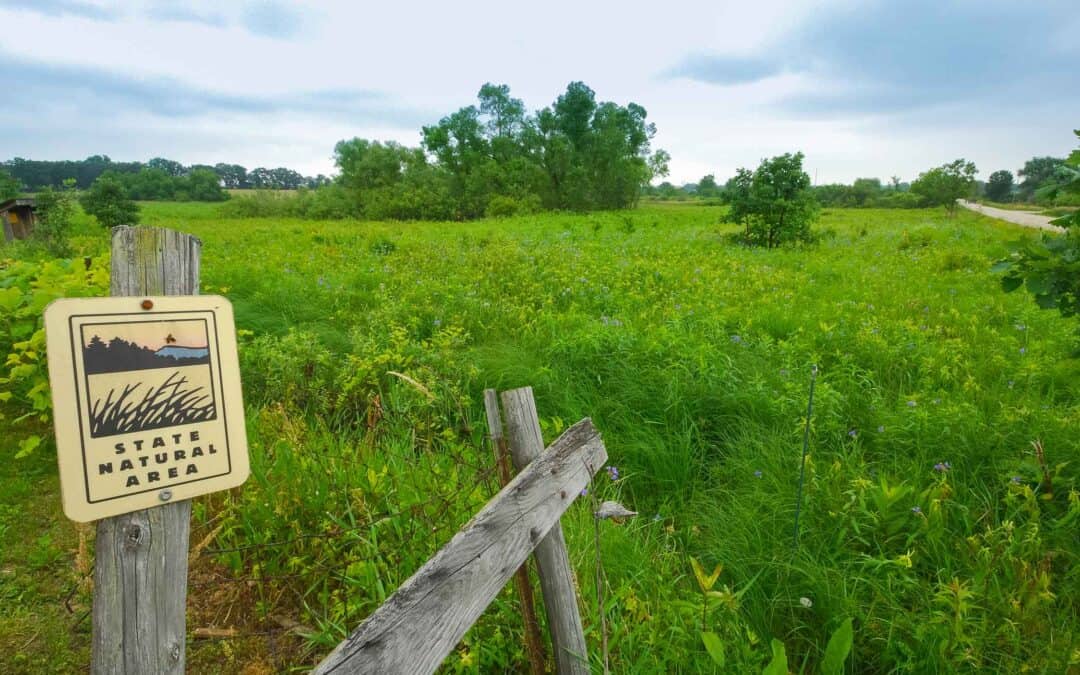
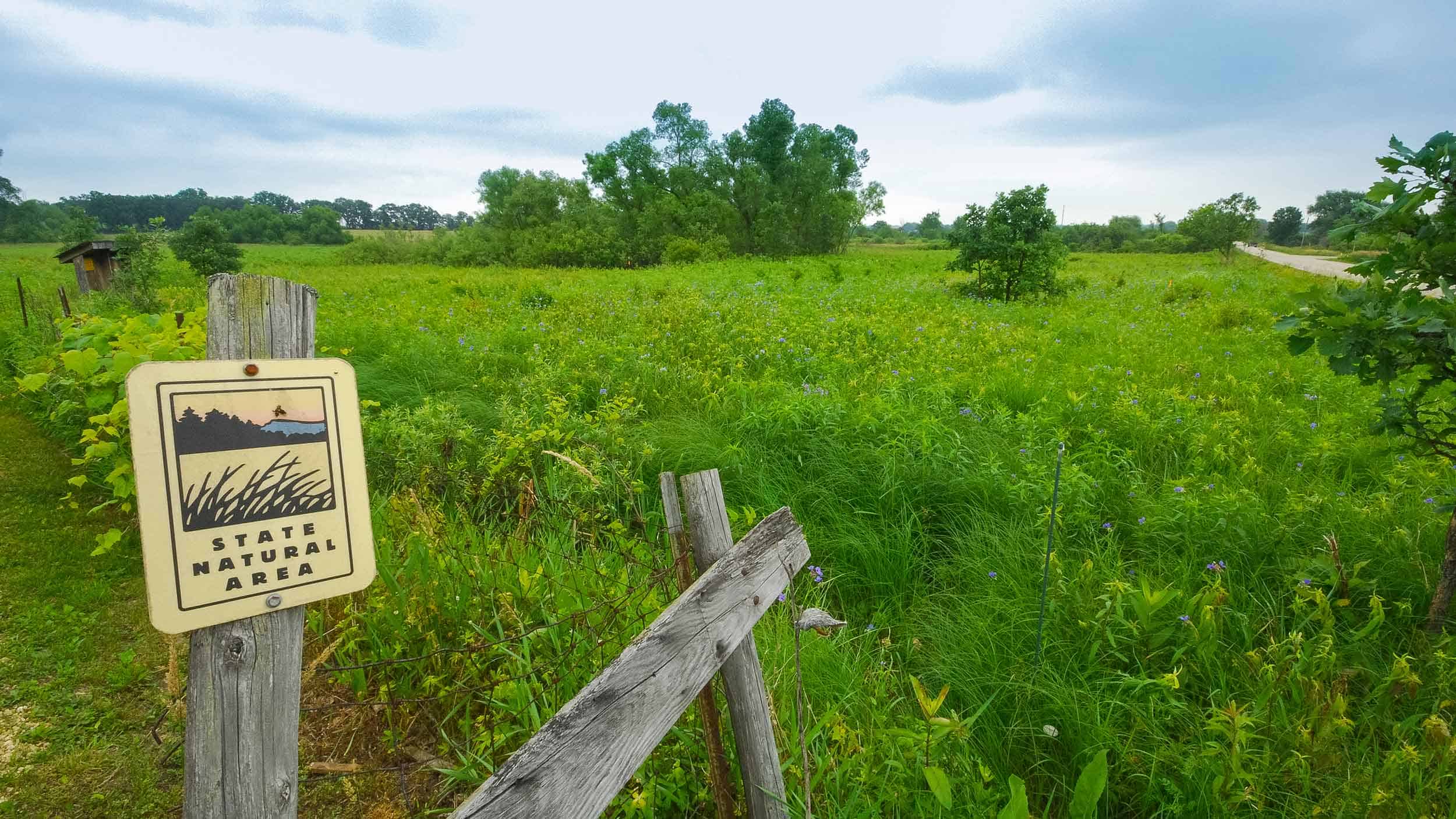
Since the early 1980s, Beloit College has been caring for Newark Road Prairie which consists of nearly 33 acres of high-quality wetland, prairie and oak savanna. To maintain its rich diversity, the land requires active stewardship consisting of frequent prescribed fires and invasive brush removal. For decades, Beloit College has had passionate volunteers, contractors and staff like Professor Richard Newsome stewarding the land. Recently, The Prairie Enthusiasts approached the college to collaborate on habitat stewardship. That relationship resulted in Beloit College generously donating the property to The Prairie Enthusiasts on March 21, 2024. The Prairie Enthusiasts will continue the site’s long legacy of stewardship, ensuring that the prairie will be a haven for wildlife for generations to come. “Newark Road Prairie is one of the most ecologically diverse areas that we are now stewarding,” says Debra Behrens, Executive Director of The Prairie Enthusiasts. “We’re grateful for the decades of care that many organizations have provided and look forward to continuing that land legacy.”   


The property, which was originally protected in the 1970s by The Wisconsin Chapter of The Nature Conservancy, has been managed by college students and volunteers, Rock County Conservationists and The Prairie Enthusiasts. It is home to an incredible array of plants, insects and animals. Crayfish burrows create small mounds throughout the wetland, and rare plants draw in students and researchers. The diversity of wildlife there is so abundant that the Wisconsin DNR named it a State Natural Area in 1974. 

The property has also served as a place of ecological and geological education for Beloit College students who have examined the behavior of red-winged blackbirds, monitored streams and completed floristic surveys. Yaffa Grossman, Professor of Biology with Beloit College stated, “Newark Road Prairie’s rich floristic diversity provides a glimpse of southern Wisconsin’s rich prairie heritage. Beloit College students, faculty, and staff, the Rock County Conservationists and others have engaged in many field trips, research studies and prescribed burns at Newark Road Prairie during the past 40+ years. As The Prairie Enthusiasts assume the stewardship of this site, I expect that these activities will continue and grow.Newark Road Prairie will continue to be a place of education for the college as well as be open to the public.  

All are welcomed to lace up a pair of boots and enjoy walking along the mowed path where one can observe the many birds and blooms. The Prairie Enthusiasts also encourage anyone with or without land stewardship experience to take part in caring for this special place. The immediate need is to remove invasive brush. Anyone interested in getting involved or wanting to support this work should contact The Prairie Enthusiasts at Info@ThePrairieEnthusiasts.org

This article appeared in the Summer 2024 edition of the Prairie Promoter, a publication of news, art and writing from The Prairie Enthusiasts community. Explore the full collection and learn how to submit your work here

About The Prairie Enthusiasts 

The Prairie Enthusiasts is an accredited land trust that seeks to ensure the perpetuation and recovery of prairie, oak savanna, and other fire-dependent ecosystems of the Upper Midwest through protection, management, restoration, and education. In doing so, they strive to work openly and cooperatively with private landowners and other private and public conservation groups. Their management and stewardship centers on high-quality remnants, which contain nearly all the components of endangered prairie communities. 

Upcoming Conservation Congress-What You Can Do

Upcoming Conservation Congress-What You Can Do

Upcoming Conservation Congress-What You Can Do

Written by Tim Eisele

The annual spring Conservation Congress advisory meetings allows all citizens to vote on questions involving Wisconsin’s natural resources. Often, people think that the Conservation Congress questions are only for people who hunt and fish, but that is not the case. Natural resources belong to everyone and everyone in Wisconsin can vote on all of the questions, or on only those questions that pertain to their concerns.

This year voting will take place at in-person meetings held in every county of the state the evening of Monday, April 8, or people who want to just vote from their home can access the questionnaire from their computer and vote from April 10 through April 13.

Some of the questions involve health of the land, insects and wildlife.

 A sampling of questions:
  • Would you support  the Wisconsin Conservation Congress advising the Department of Natural Resources Natural Heritage Conservation Bureau to request powerline companies refrain from mowing during the summer months and encourage powerline companies to work with private landowners to manage powerline vegetation that provides habitat for insects and wildlife?
      • A specific land use question is concerned about mowing down low-growing native vegetation under powerlines during the summer nesting season.
      • Milkweed is the one basic plant required by monarch butterflies, and the wintering population of monarchs reached the second lowest ever this past winter.
      • Question 39 on the Conservation Congress questionnaire is aimed at urging powerline companies to not mow low native vegetation during the summer.
      • Explanatory material says that although powerlines need to eliminate tall trees under powerlines, the low-growing milkweed, hazel and dogwood are used by monarch caterpillars and nesting songbirds
      • Mowing in the summer not only destroys the milkweed containing monarch eggs and caterpillars, but also songbird and wild turkey nests.
      • It may seem like a small thing, but powerline companies have thousands of miles of powerlines in Wisconsin, which pass over private land managed by private landowners.
  • Do you support DNR using their resources and working with the Bluebird Restoration Association of Wisconsin to expand nesting box monitors and to help educate the public about the impact of pesticides on grassland bird populations?
      • Another question notes that there has been a decline of 2.9 billion birds within North America since 1970, and grassland birds were declining the most by 53% over 50 years.
      • The Bluebird Restoration Association of Wisconsin works to reestablish the population of the Eastern bluebird and other cavity nesting birds in the state that have significantly declined since the mid-1960s.
  • Do you support the DNR and other conservation groups creating an awareness campaign focused on the adverse impact outdoor cats have on Wisconsin’s wild bird populations?
      • A similar question aimed at reducing the mortality of wild birds, says that house cats let out-of-doors, kill an estimated billion birds each year in the United States.  Education about the impact of free-roaming cats could change the behaviors of pet owners and reduce bird mortality.
  • Would you support the Conservation Congress working with the state legislature to designate the monarch butterfly as the Wisconsin state butterfly?

      • Another question states that the monarch butterfly has continued to decline in Wisconsin.  If it were to be designated as the state butterfly, more citizens may take action to support raising monarchs.

Other questions include:
  • phasing out lead ammunition in hunting with firearms by 2030
  • eliminating landowner preference for 30% of spring turkey hunting permits
  • prohibiting the use of wake boat ballast systems on Wisconsin lakes and rivers to help reduce the spread of invasive species
  • allowing the public to legally walk directly across railroad tracks/right of ways for purposes of accessing state lands and waters
  • banning the shining of wildlife in Wisconsin from September 15 through December 31.

 Many questions include regulations for hunting and fishing and are asked by both the Conservation Congress and the Department of Natural Resources.

This spring’s in-person meetings will take place on Monday, April 8, one in every county of the State.  Locations are often schools or municipal buildings, and locations  are publicized and listed on the DNR website.

Doors will open 6 P.M for the meetings Monday, April 8, with DNR staff available at 6:30, followed by election of open positions for County Congress delegates at 7 p.m. and then voting on advisory natural resources questions presented by the DNR and Conservation Congress  from 7:30 to 9 p.m.

People who prefer to vote online from their home will have that opportunity from noon, Wednesday April 10 until noon, Saturday, April 13.  Using your computer or cell phone you can go to the DNR website to vote on questions, or directly to https://dnr.wisconsin.gov/about/wcc/springhearing.

Citizens can vote on all or only those questions they have an opinion on from the list of advisory questions presented by the DNR and from the Conservation Congress.

Votes must be made by noon on Saturday, April 13.

For people who want to vote and cannot attend the in-person meeting and do not have online access, they can contact Kari Lee-Zimmermann, DNR Conservation Congress Liaison, (Cell Phone: (608) 219-9134) and with enough advance notice she will mail a questionnaire, but it must be returned by the deadline of April 13.

If you have questions or would like more information, feel free to contact Tim Eisele, private woodland owner in Crawford County, at (608) 604-1933.  Photos are available showing a powerline containing native vegetation, including milkweed, and the empty powerline following mowing and mulching of all the vegetation.  Why am I sending this out?  Linda and I were 1 of 8 people who submitted the powerline question in 8 counties in 2023.  It was approved in all 8 counties and now is going statewide to all 72 counties and we feel many landowners will be interested in it.