A to Z Farm
A to Z Farm
More information coming soon!
The property has mowed lanes, and some moderate slopes.
ACCESS & DIRECTIONS

More information coming soon!
The property has mowed lanes, and some moderate slopes.
A view of the lake below after a prescribed burn. Photo by Kat O’connell Valuch.
A view of the lake below after a prescribed burn. Photo by Kat O’connell Valuch.
Containing some of the best remaining woodland, wetland, shore land and floodplain, visitors will enjoy this small but significant habitat. The property is also adjacent to a small lake, called North Lake southeast of Whitewater, WI.
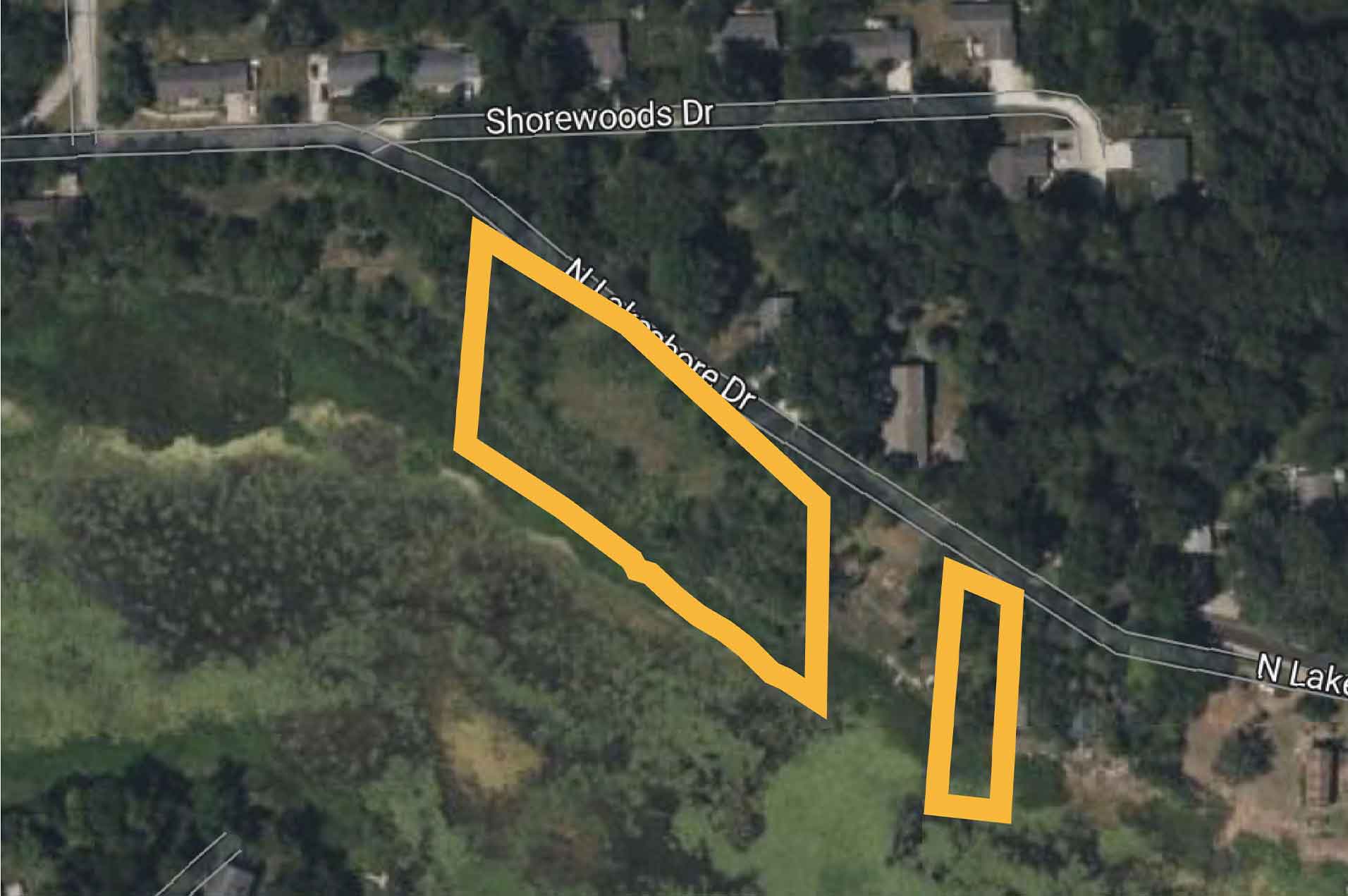
Access is located off North Lakeshore Drive Road. The property is on the north shore of North Lake in Walworth County.


Connect with the site steward to see how you can care for this rare habitat at an upcoming work party.
This site is stewarded by The Prairie Enthusiasts Glacial Prairie Chapter.
Site Steward: Michaela Rosenthal (Email)

Allowed:
Not Allowed:
Allowed:
Not Allowed:
Spring peeper, which can be found at Adelman & Schwartz Preserve. Photo by Sarah Barron.
As urban development in this region was increasing, this remnant habitat was protected at a critical time. The property includes species such as big bluestem (Andropogon gerardii), little bluestem (Schizachyrium scoparium), sideoats gramma (Bouteloua curtipendula), rock sandwort (Minuartia stricta), false boneset (Brickellia eupatorioides), purple prairie clover (Dalea purpurea), flowering spurge (Euphorbia corollata), false sunflower (Heliopsis helianthoides) and more.
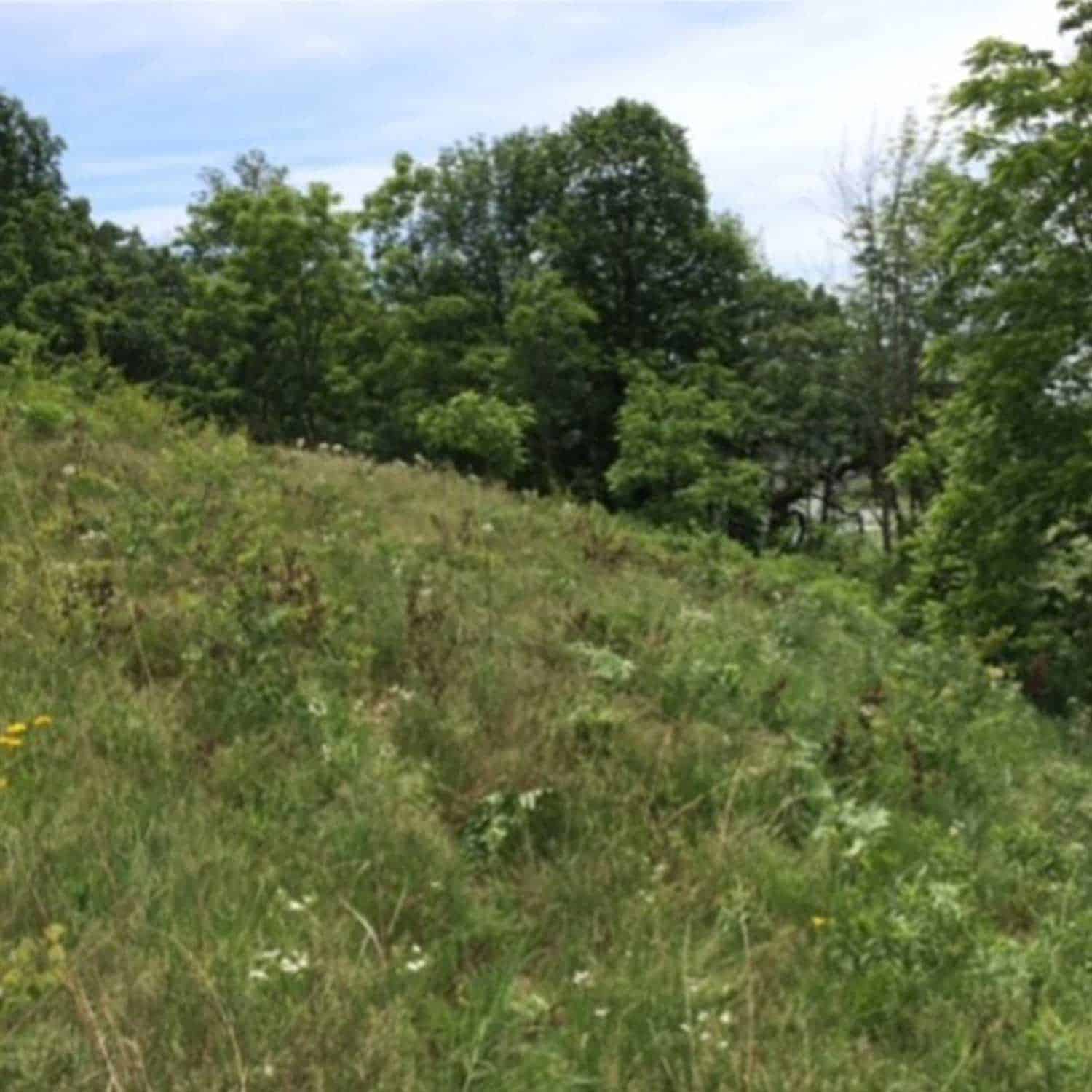
Hillside view of Adelman & Schwartz Preserve hillside. Photo by Zack Kastern.
Charlotte Adelman and Bernard Schwartz had a long commitment to conservation efforts and were dedicated to protecting and restoring old-growth habitats. The two also authored books such as The Prairie Directory of North America and The Midwestern Native Garden.
As long-time land stewards, they were constantly on the search for remnant habitats. They discovered this property for sale, which was already within a subdivision of small lots. Charlotte and Bernie stepped in and bought 7 of the small parcels, saving a piece of these threatened ecosystems.
With the long-term interest in preserving this local paradise, Charlotte and Bernie entered into an easement with the Kettle Moraine Land Trust in 2006. Then in 2015, the two made the decision to transfer ownership of their prairie’s fee title to The Prairie Enthusiasts along with a sizable endowment for its management.
The Glacial Prairie Chapter is stewarding the site by clearing non-native, invasive plant species on the periphery of the dry prairie remnant. Chapter volunteers focus on removing specias like garlic mustard, dame’s rocket, lily of the valley encroaching cottonwood saplings and smooth sumac suckers. Regularly prescribed burning is also conducted on the site.
Check out our Events Calendar to see upcoming work parties or contact the site steward to get involved.
Enjoy this gorgeous prairie south of River Falls, WI. The dry prairie and oak savanna remnants found on the site are some of the best examples of these habitat types in the Western Prairie Ecological Landscape. Enjoy the 120 native species found across this 43-acre site. Some previously documented endangered and threatened species are noted, and with further management, may reappear.
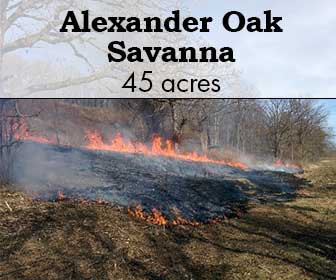
A prescribed burn conducted at Alexander Oak Savanna. Photo by Prescott Bergh.
A prescribed burn conducted at Alexander Oak Savanna. Photo by Prescott Bergh.
The dry prairie and oak savanna remnants found on the site are some of the best examples of these habitat types in the Western Prairie Ecological Landscape. Enjoy the 120 native species found across this 43-acre site.
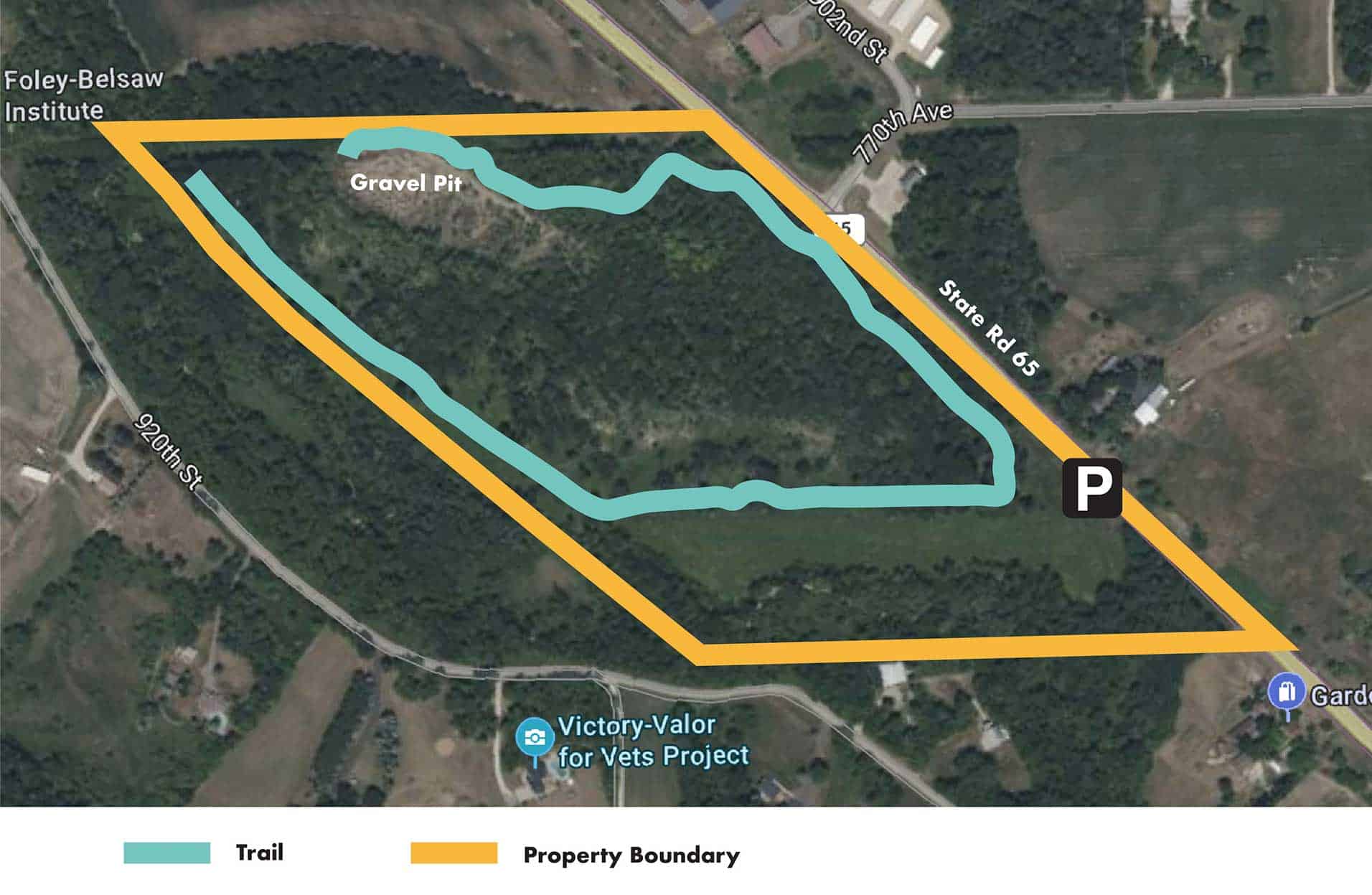
The site is located in Pierce County, approximately four miles south of River Falls on state highway 65 and 0.2 miles south of the Town of River Falls Town Hall. There is a parking area access at the south end of the property.
Portions of the property are easy to navigate, but getting to them can be a challenge. The site contains two miles of dirt trails that can be occasionally steep.

Connect with the site steward to see how you can care for this rare habitat at an upcoming work party.
This site is stewarded by The Prairie Enthusiasts St. Croix Valley Chapter.
Site Steward: Evanne Hunt (Email)

Allowed:
Not Allowed:
Allowed:
Not Allowed:
Butterfly field trip at Alexander Oak Savanna. Unknown Photographer.
This stunning 45-acre remnant is located in Pierce County, WI, within the Kinnickinnic River watershed and the Western Prairie Ecological Landscape (a Wisconsin DNR designation).
Through decades of restoration efforts, this site has become one of the largest restored dry-mesic prairie and oak savanna complexes in the St. Croix Valley Chapter’s geographic
area.
The Chapter frequently holds butterfly field trips at the site where attendees can discover the many butterflies and other insects that call Alexander Oak Savanna home.
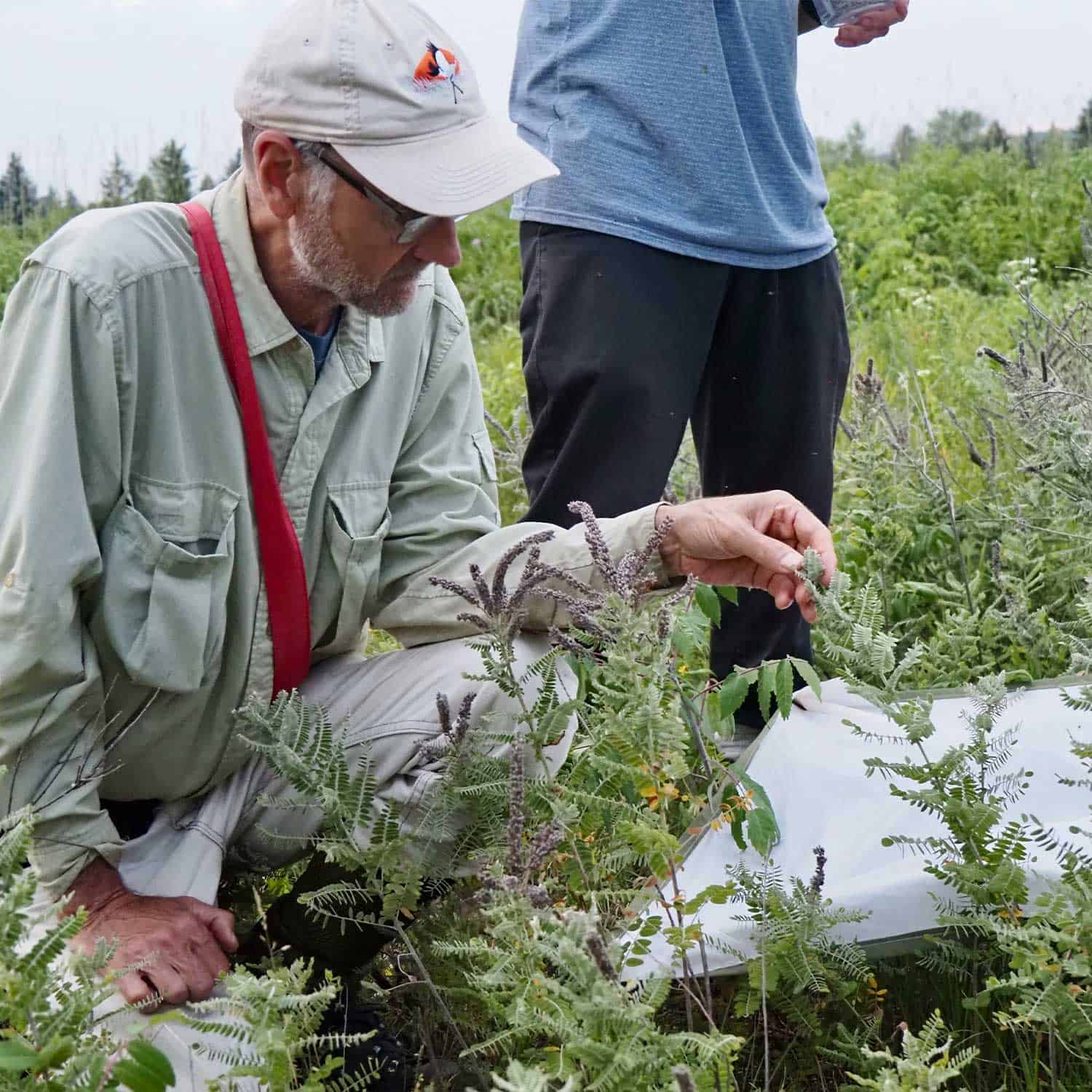
Looking at lead plant (Amorpha canescens) at Alexander Oak Savanna. Photo by Heidi Kassenborg
Alexander Oak Savanna is named for Dick and Joan Alexander who purchased the property in 1965. They lovingly cared for the land for over 50 years and used it as a family getaway, where they enjoyed hunting and gathering firewood.
The Wisconsin Chapter of The Nature Conservancy recognized the significance of the site, and in 1985, secured a first right of refusal for the purchase of the property should it ever be offered for sale. This right was transferred to The Prairie Enthusiasts in 2003. In 2018, the Alexanders generously accepted an offer from The Prairie Enthusiasts to purchase the property. Since that time it has been actively managed by The Prairie Enthusiasts St. Croix Valley Chapter.
Dick actively participated in the Chapter work parties and prescribed burning over the years with both The Nature Conservancy and The Prairie Enthusiasts.
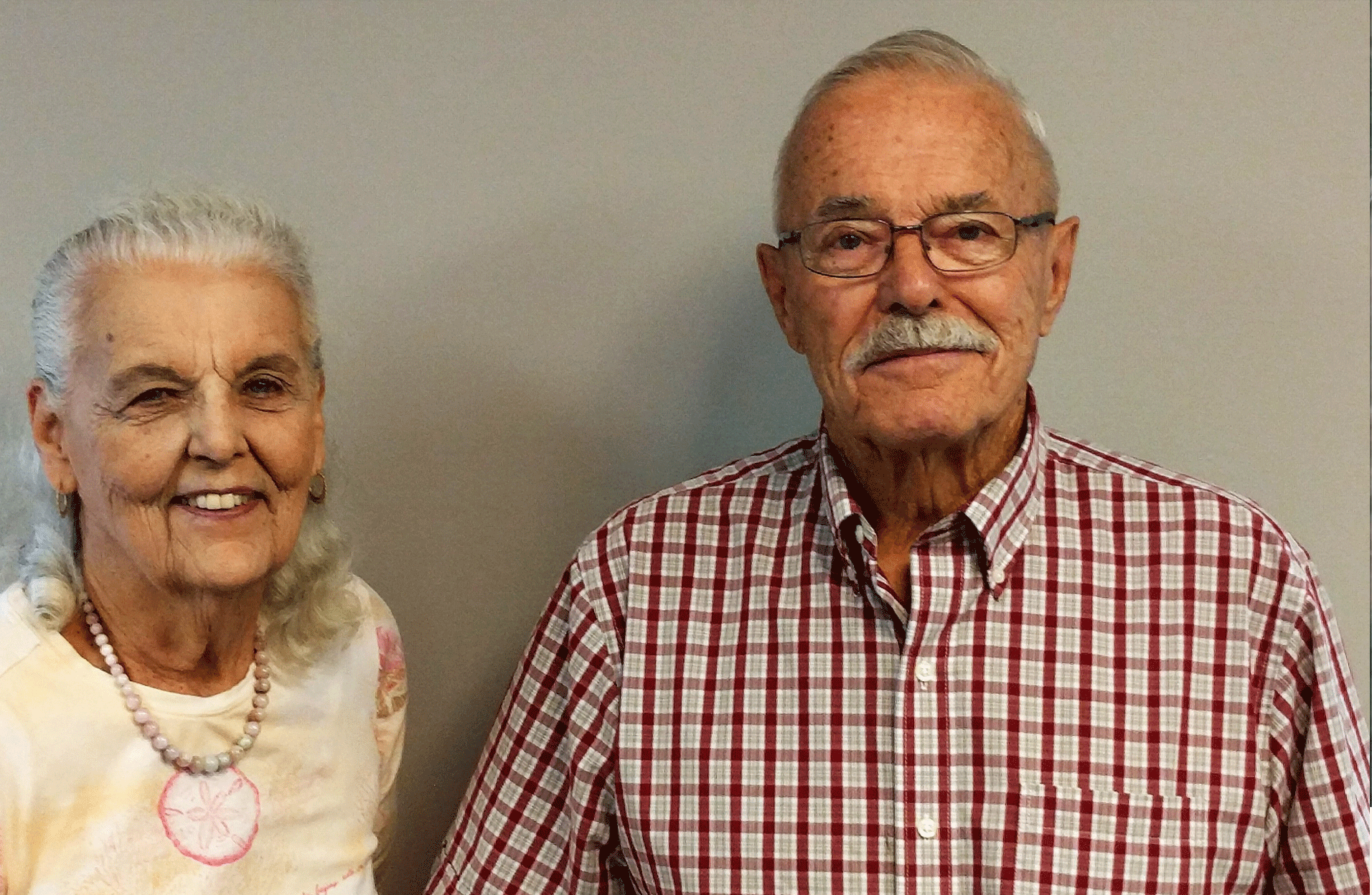
Previous owners that the property is named after, Jane and Dick Alexander. Unknown Photographer.
Prior to 2000, the site was managed by The Nature Conservancy through their volunteer site steward program. Since assuming management responsibility in 2000, The Prairie Enthusiasts’ efforts have focused on the removal of invasive species such as buckthorn, Siberian elm and red cedar. Regular prescribed burns are conducted in late winter or early spring. The St. Croix Valley Chapter has also re-introduced appropriate species native to this area by overseeding portions of the site with locally collected seed.
Chapter volunteers have primarly conducted the restoration efforts, but the Chapter has also received land management grants from the U.S. Fish and Wildlife Service and the Wisconsin DNR to hire contractors to help. Students from the University of Wisconsin River Falls have also participated in a variety of site management activities.
St. Croix Valley Chapter holds regular volunteer work parties in which brush is cleared, seed is collected and prescribed burns are conducted.
Check out our Events Calendar to see upcoming work parties or contact the site steward to get involved.
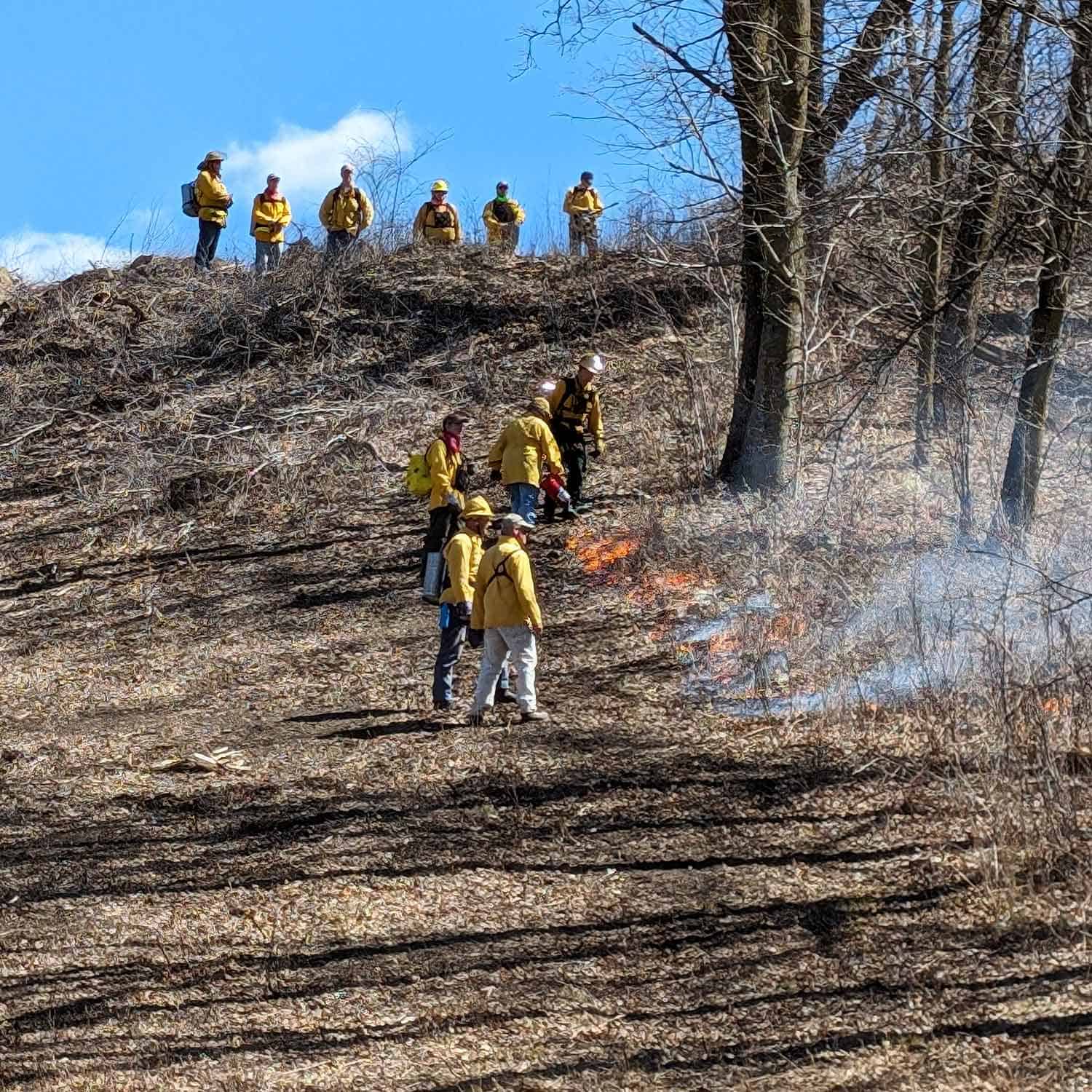
St. Croix Valley Chapter volunteers conducting a prescribed burn at Alexander Oak Savanna. Photo by Prescott Bergh.
This site has a panoramic view over the valley of Sugar River into Illinois. Habitat includes riverine grasslands and floodplain forest known as Avon Bottoms. Compass plant (Silphium laciniatum), prairie sunflower (Helianthus pauciflorus), and Carolina rose (Roas carolina) are just some plants commonly found on this scenic spot.
View of blazing stars and sunflowers at Avon Ridge. Photographer Unknown.
View of blazing stars and sunflowers at Avon Ridge. Photographer Unknown.
This site has a panoramic view over the valley of Sugar River into Illinois. Habitat includes riverine grasslands and floodplain forest known as Avon Bottoms. Compass plant (Silphium laciniatum), prairie sunflower (Helianthus pauciflorus), and Carolina rose (Roas carolina) are just some plants commonly found on this scenic spot.
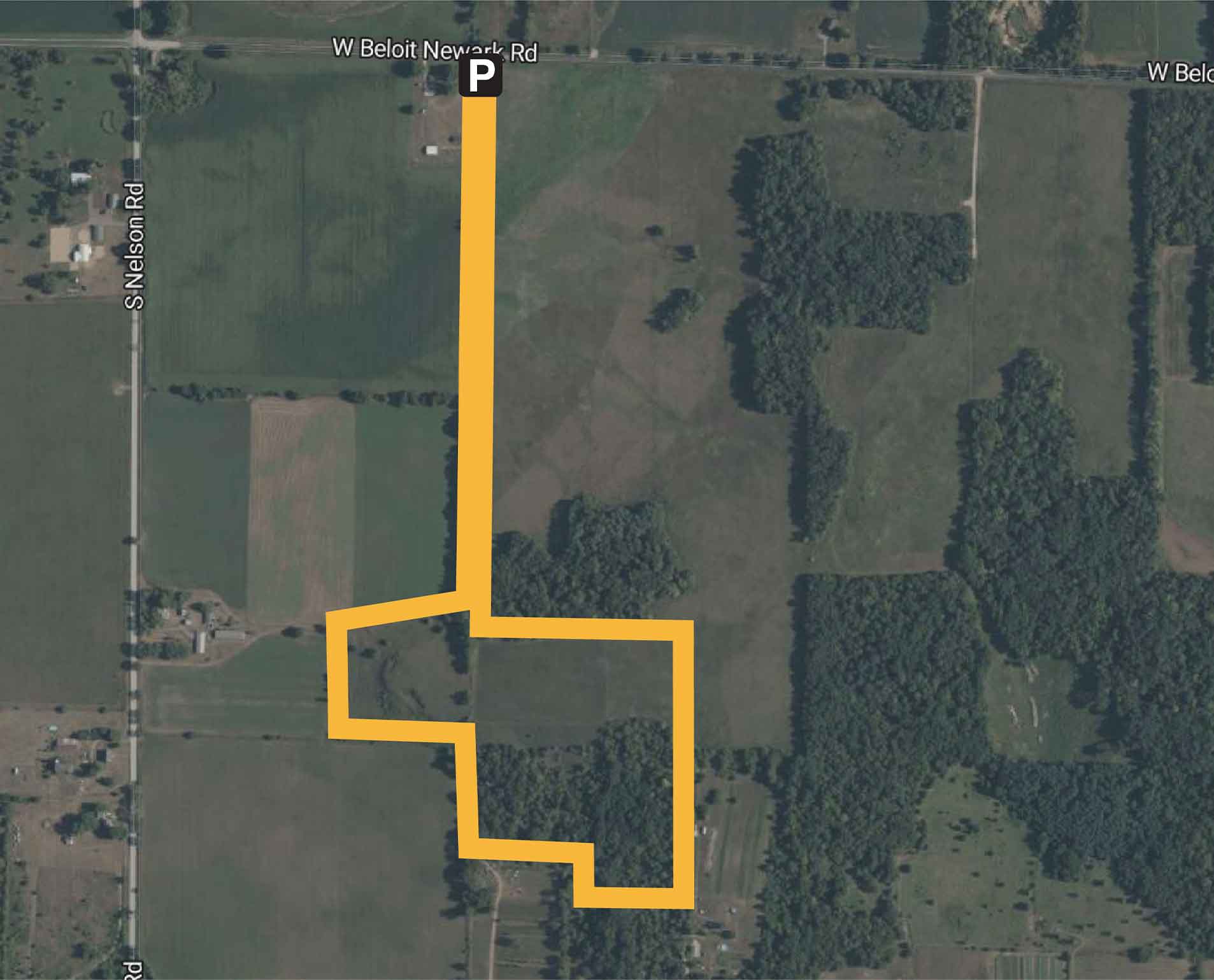
Visitors should park in the small gravel parking lot off Beloit-Newark Road, a half-mile east of Nelson Road, in the Rock County town of Avon, which is west of Beloit and southeast of Brodhead. Take Highway 81 out of Brodhead a few miles and turn south on Nelson Road, then east on Beloit-Newark. The nearest fire number is 15347 W. Beloit-Newark Road for our neighbor to the west. From the parking lot walk south along the fence line, up the hill and over the ridge to the south-facing one-acre prairie. Foslin Bluff is the extension to the west. The original one-acre remnant is over the ridge. To the east is planted prairie, in a 10-year CRP federal contract we inherited from the previous owner.
This property can be difficult to walk as there are no trails and the parking lot is quite far from the prairie.
Connect with the site steward to see how you can care for this rare habitat at an upcoming work party.
This site is stewarded by The Prairie Enthusiasts Prairie Bluff Chapter.
Site Steward: Nick Faessler:(608) 214-3852 or Email
Allowed:
Not Allowed:
Allowed:
Not Allowed:
Pale purple coneflower at Avon Ridge. Photo by Jerry Newman.
This remnant habitat (never having been plowed or grazed) features a spectacular show of rare native plants. One of the most striking features is the abundance of pale purple coneflowers (Echinacea pallida), which is a protected plant at the northern edge of its range in North America. Botanical range maps show this coneflower primarily in Rock, Green, Dane and Grant Counties while extending south and west. Authors Cochrane and Iltis is their Atlas of Wisconsin Prairie & Savanna Flora describe these confeflowers as a “southern Midwest prairie and plains species, once common and now rather rare.” Artists, photographers and nature-enthusiasts will enjoy this iconic plant’s blooms during June and July.
The area’s ridge is capped with limestone and underlain by sandstone that has eroded into sloping side hills. Limestone is a hard rock that resists erosion. Sandstone is a softer rock.
This property is part of the Avon Bottoms Wildlife Area, an area spanning 4,356 acres of lowland. The habitat consists of numerous sloughs and old ox-bows and lowland hardwood forest containing swamp white oaks, silver maples, black willow, shagbark hickory, hackberry, green ash, cottonwood, bitternut hickory, bur oaks, basswood and sycamore trees.
There are two Wisconsin State Natural Areas embedded in Avon Bottoms: 40-acre Swenson Wet Prairie State Natural Area and 168-acre Avon Bottoms State Natural Area. Avon Bottoms has been declared a Wisconsin Important Bird Area for its breeding populations of the cerulean and yellow-throated warblers, Acadian flycatcher and yellow-crowned night-heron.
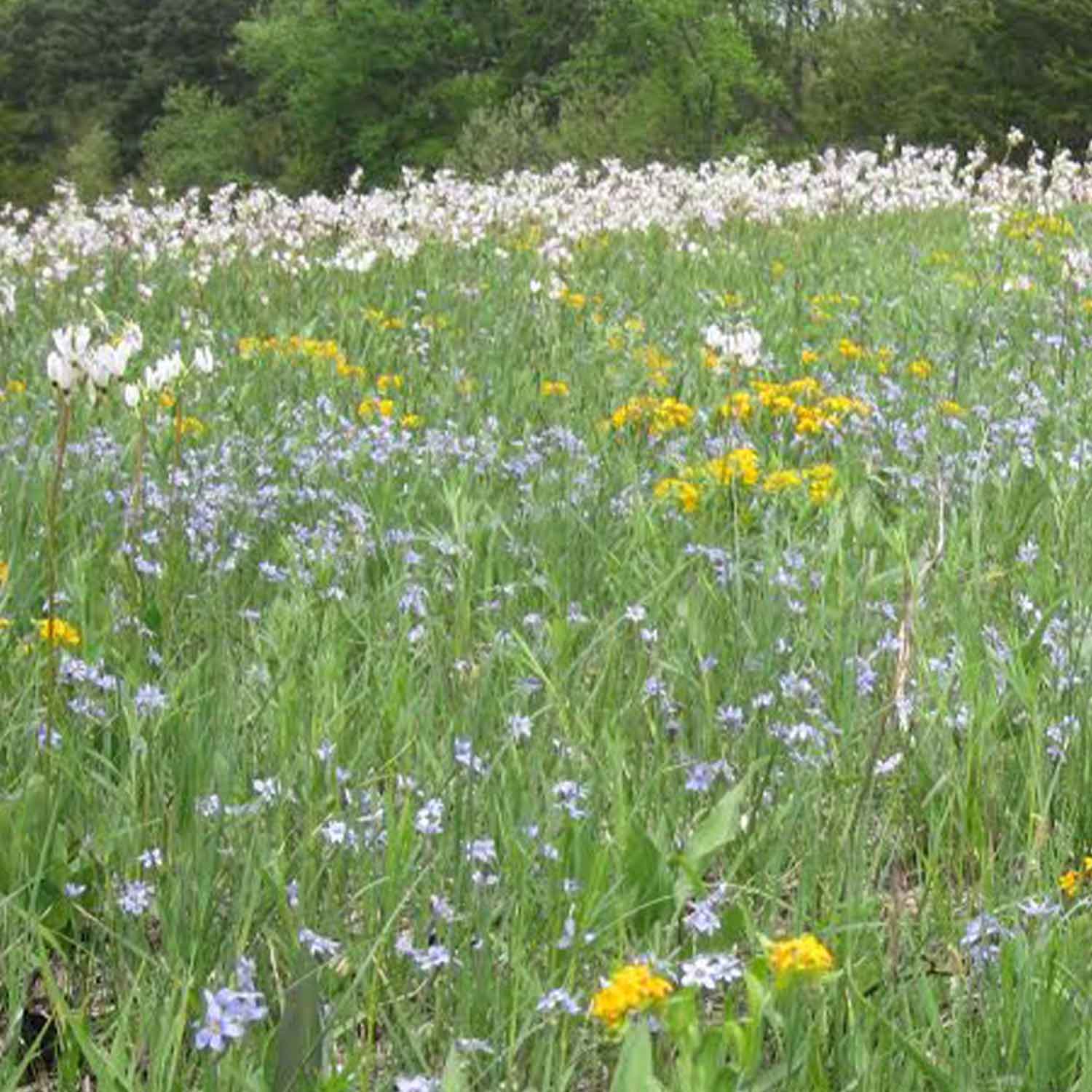
Spring blooms at Avon Ridge. Photo by Jerry Newman.
Prairie Bluff Chapter Member and Past President Rob Baller first visited this site in the 1980s with neighbor Brad Paulson. The Chapter was interested in purchasing the remnant prairie land since the Chapter’s beginnings around 1987. The property consisted of parcels with three different owners. At that time, the land was sold to an Illinois couple and enrolled it in CRP. Again in 2004, the Prairie Bluff Chapter attempted to raise money to buy some of the prairie, but the agreement fell apart. In 2014, Chapter members noticed the land was once again for sale, and in 2015, The Prairie Enthusiasts were able to successfully purchase the land. The sale consisted of an acre of the remnant prairie, a CRP buffer and a strip of land to provide access to the site.
The original purchase consisted of a 16.5-acre parcel. Five years later in 2020, The Prairie Enthusiasts were able to add another 5.9 acres with the purchase of Foslin Bluff, creating a contiguous 22.4-acre site. Both the addition and the original parcel were purchased with funds from the Wisconsin Knowles-Nelson Stewardship Fund and support from members of The Prairie Enthusiasts.
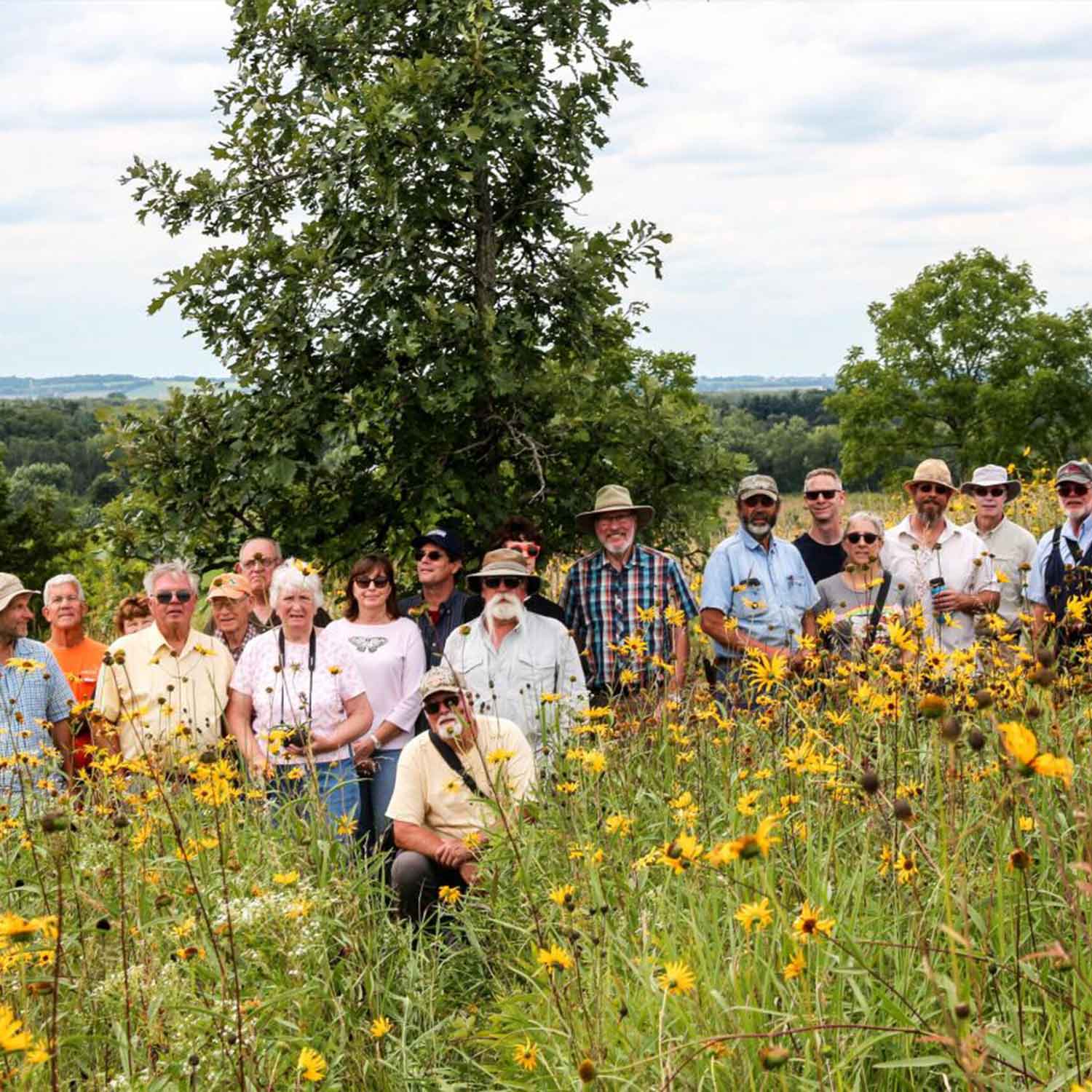
Prairie Enthusiasts enjoying the blooms of Avon Ridge. Photo by Jerry Newman.
The Prairie Bluff Chapter is stewarding the site by removing a troublesome invasive plant, crown vetch, which is present in a small area of both the CRP and remnant prairie. However the entire property is remarkably free of weeds and brush. Periodic weed patrols are conducted in spring and summer, and seed collection is done in summer and fall. Prescribed burns are also conducted on the site to ensure the habitat maintains it’s health.
Check out our Events Calendar to see upcoming work parties or contact the site steward to get involved.
Previously, work crews from the Chapter removed most of the trees and brush from the western portion of the remnant prairie during the winter of 2015-16. Sawyers took out cedars, mulberries, cherries, apples, sumac and buckthorn, and then hauled them to the burn pile with a skid steer.
Volunteers also took out 531 feet of old fence line, woven wire and three tangled and buried strands of barbed wire on the site, which were sold to a recycler.
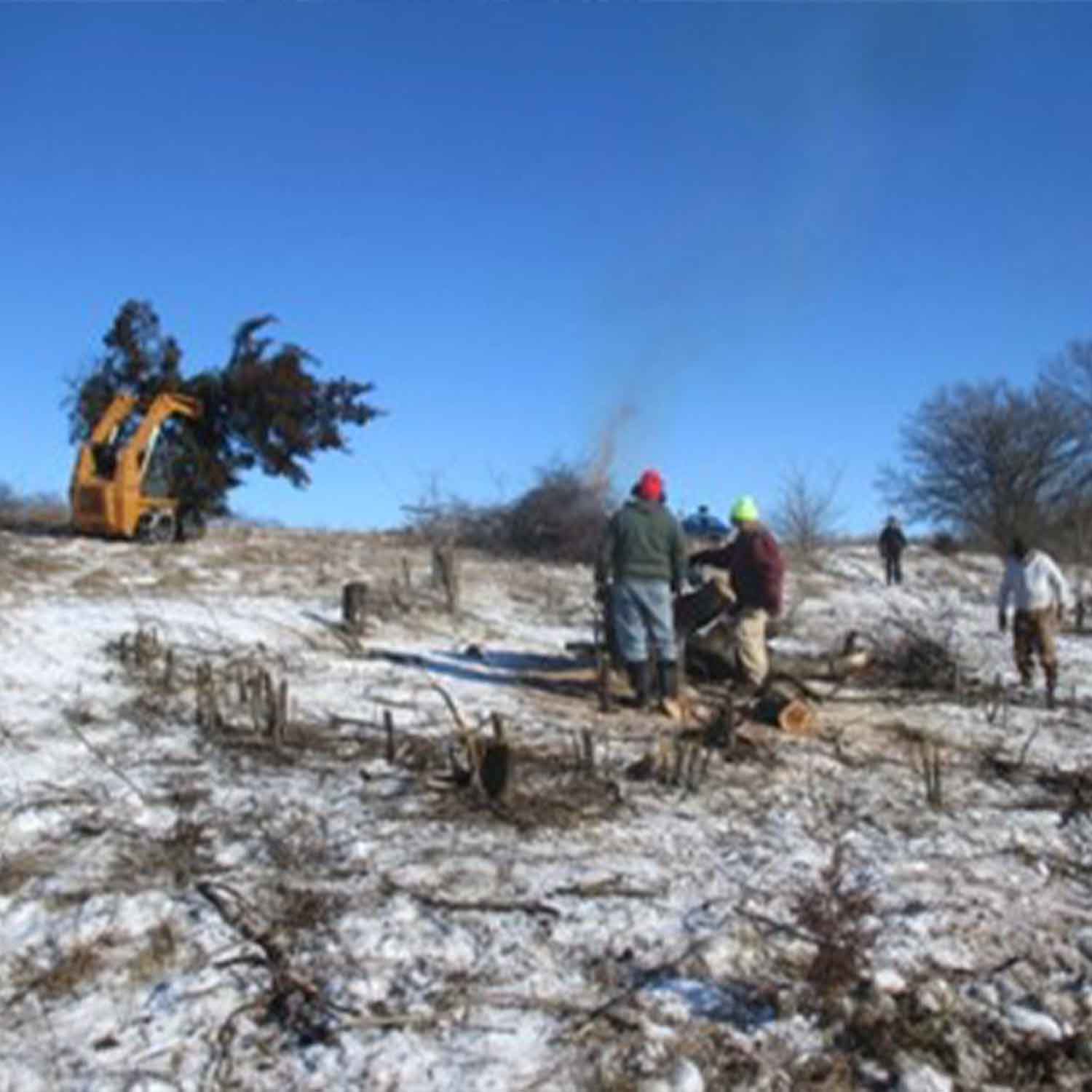
Volunteers clearing brush at Avon Ridge. Photographer Unknown.
This site is one of the few remaining examples of a dry-mesic prairie in Wisconsin. In contrast to other prairie preserves in the Driftless Area, this prairie is on relatively level terrain. It has an outstanding assemblage of plants including several rare and uncommon species. Because of its proximity to Madison, and its easy access, the preserve has great educational value.
Summer blooms at Black Earth Rettenmund Prairie. Photo by Rich Henderson.
Summer blooms at Black Earth Rettenmund Prairie. Photo by Rich Henderson.
This site is one of the few remaining examples of a dry-mesic prairie in Wisconsin. In contrast to other prairie preserves in the Driftless Area, this prairie is on relatively level terrain. It has an outstanding assemblage of plants including several rare and uncommon species. Because of its proximity to Madison, and its easy access, the preserve has great educational value.
From the intersection of Highways 78 and KP in Black Earth, go west on KP 1.1 miles, then south on F 0.25 mile, then west on Fesenfeld Road 0.2 mile to a small parking area south of the road. If the parking lot is occupied, park on the north side of the road.
Connect with the site steward to see how you can care for this rare habitat at an upcoming work party.
This site is stewarded by The Prairie Enthusiasts Empire-Sauk Chapter.
Site Steward: Kathie Brock: 238-5050 or Email and Willis Brown: 278-9308 or Email
Allowed:
Not Allowed:
Allowed:
Not Allowed:
Child enjoying Black Earth Rettenmund Prairie. Photo by Joshua Mayer.
This prairie was once rated among the top ten natural areas in Dane County in private ownership. It was used by Ecologist John Curtis as an outdoor classroom and was one of his prairie sites in his classic book Vegetation of Wisconsin. The University of Wisconsin-Madison herbarium has numerous entries of plants collected at this site.
The preserve is in the drainage basin of, and is within site of, Black Earth Creek, one of the outstanding trout streams in southern Wisconsin.
Black Earth Rettenmund Prairie is located on a low knob and ridge. It is characterized as dry-mesic with areas ranging from dry to nearly mesic. It harbors a rich flora of over 130 native prairie plant species. It is a predominantly forb-rich prairie. The forbs are incredibly diverse and include showy species including pasqueflower (Anemone patens), lead plant (Amorpha canescens), compass plant (Silphium laciniatum), wood lily (Lilium philadelphicum), prairie turnip (Pediomelum esculentum) and many more.
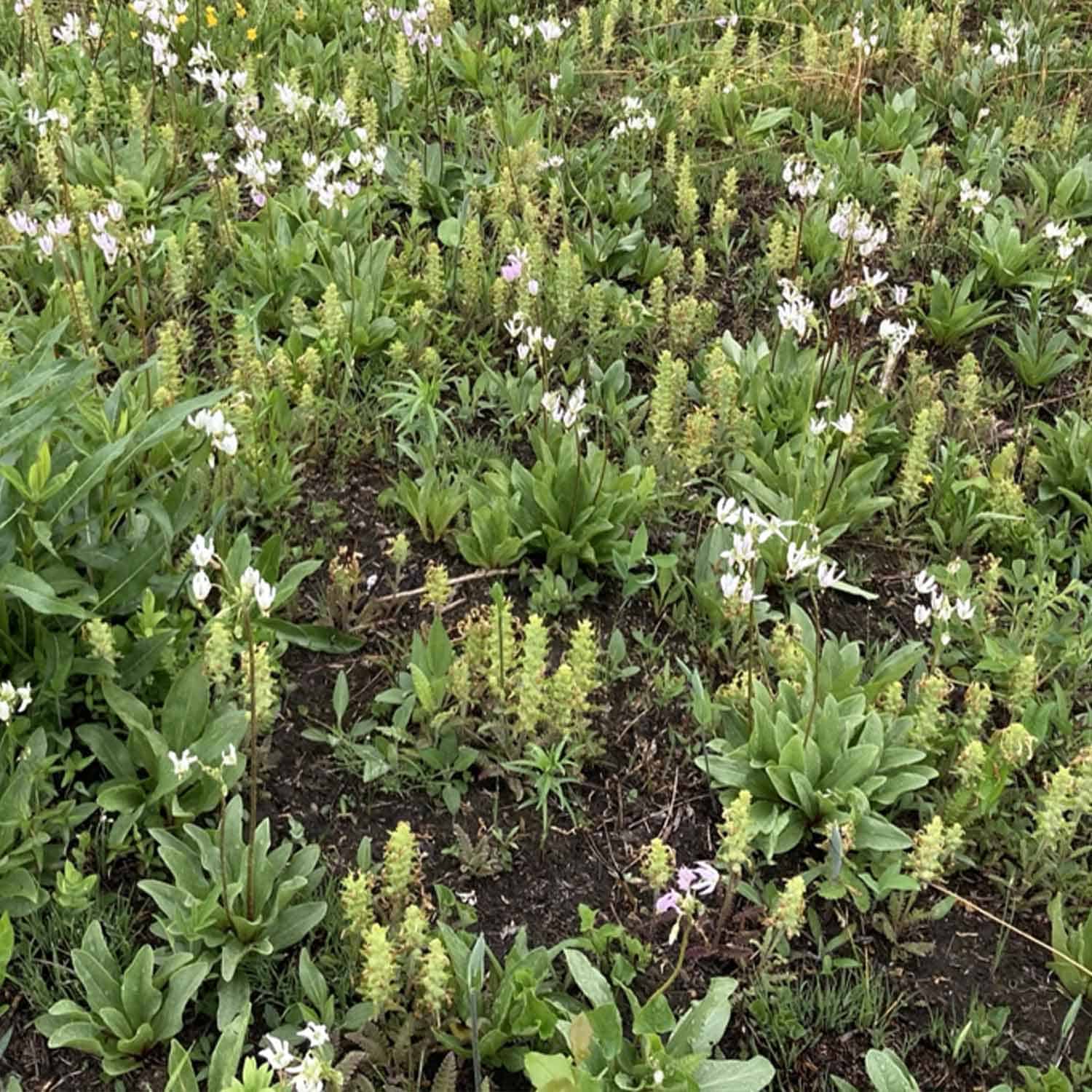
Spring blooms at Black Earth Rettenmund Prairie. Photo by Dan Carter.
The preserve was once part of the William Rettenmund farm, but it was probably never plowed. The owner, William Rettenmund, preserved this prairie for over 40 years. Mr. Rettenmund granted conservationists permission to study the prairie and to conduct management activities including controlled burns.
The first plant survey was done in 1969. Mr. Rettenmund had observed the marked “decline” in the prairie during his ownership and both he and his wife had a genuine interest in seeing it preserved and managed. It was because of Mr. Rettenmund’s deep concern in seeing the prairie preserved that he sold the land to The Nature Conservancy at below-market value.
Initial contact with Mr. and Mrs. Rettenmund was made by the State Natural Areas office in 1981, and serious discussions about purchase were made in 1984. At that time, about half of the site had been taken over by shrubs, aspen and other trees. The property was acquired by the Nature Conservancy in 1986, using funds provided by Madison Audubon Society. Later the same year it was dedicated as a State Natural Area, ensuring its continued protection.
Beginning in 2003, management was taken over by The Prairie Enthusiasts under an agreement with the Nature Conservancy. At this time, more intensive restoration work was undertaken, under the guidance of Kathie and Tom Brock and with financial support from the Savanna Oak Foundation, Inc. Ownership of the prairie was transferred by The Nature Conservancy to The Prairie Enthusiasts in August 2007.
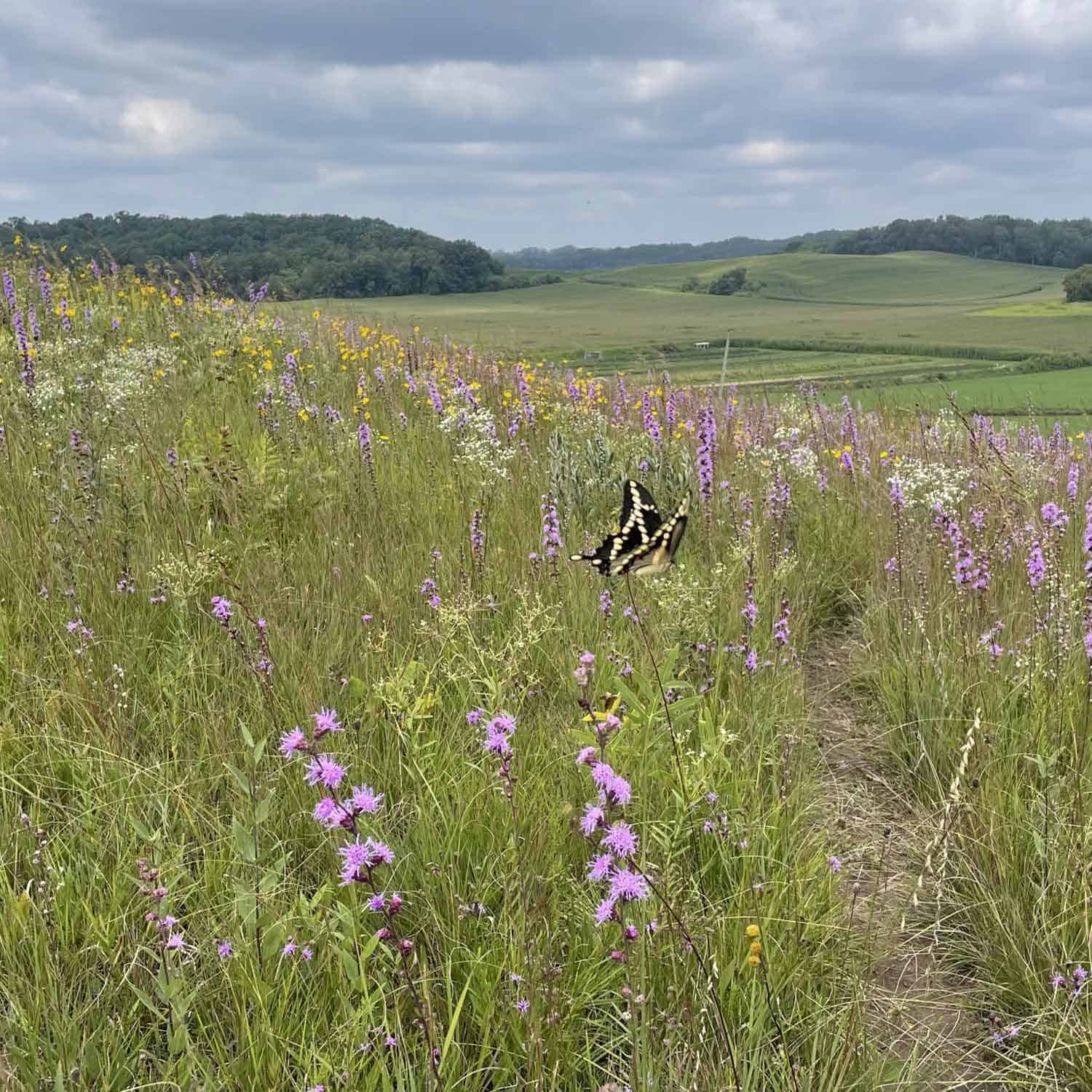
Butterfly over blazing star at Black Earth Rettenmund Prairie. Photo by RS Baller.
Empire-Sauk Chapter volunteers regularly conduct prescribed burns on the site. Our prescribed burn is usually held at the end of March or early April. Seed collecting is another opportunity for volunteering. The rich flora of Black Earth Rettenmund Prairie makes seed collecting a delight. The seeds collected are planted in the Gateway Prairie and in areas of the South Unit where brush control had been carried out. Seed collecting is the principal activity in the fall work parties. In addition to regularly scheduled seed collecting days, special days are scheduled as needed.
Check out our Events Calendar to see upcoming work parties or contact the site steward to get involved.
Soon after acquisition, restoration work was undertaken by The Nature Conservancy. Controlled burns were carried out at regular intervals. Hand pulling of weeds and cutting of aspen, sumac, honeysuckle and buckthorn was carried out. Trees along the perimeter of the preserve were cut and the stumps treated with Garlon 4. Cherry trees, honeysuckle and buckthorn on neighboring land have also been cut with the owners permission. The fence along the neighbor’s pasture running east-west was rebuilt by the Nature Conservancy.
In the late 1990s, modest volunteer work parties were carried out, once or twice a year. These involved primarily brush clearing with herbicide treatment. However, these minimal volunteer activities were insufficient to control woody growth. By the end of the 1990s, brush and tree growth on the south part of the preserve had become excessive and prairie vegetation was being crowded out. Work on this end of the preserve was initiated again in 2000. Using support from the Savanna Oak Foundation, Inc., private contractors were hired to cut and treat vegetation. Between this work, monthly volunteer work parties and annual controlled burns, prairie vegetation responded well and thrives today.
Despite stewardship, white sweet clover (Melilotus alba) remains the most serious problem. Its seeds are able to remain viable in the soil for many years. It is a peculiar characteristic of prescribed burns that fire actually “stimulates” seed germination. Thus, burns without associated sweet clover control will exacerbate the problem. It is probably for this reason that sweet clover has been historically widespread throughout the preserve.
Initially sweet clover infestations were so heavy that they had to be mowed, with hand pulling of any outliers. Volunteer workdays were held throughout the sweet clover season (June-August), with additional weekly workdays on Friday evenings in July. Since 2006 only hand pulling has been needed, but as much as 300 worker-hours (both volunteers and paid contractors) have been needed to control the problem. Summer workdays are scheduled by The Prairie Enthusiasts as needed.
Extensive brush control over the past 25 years has reduced the woody vegetation problem to a lower level. The principal problem at present is smooth sumac, and continual work by volunteers and paid employees is effective. The goal is complete eradication of this seriously invasive plant.
An annual controlled burn is carried out by The Prairie Enthusiasts, usually in late March or early April. The preserve has been divided into three burn units (north, saddle, south). The saddle is burned on alternate years, together with either the north or south unit.
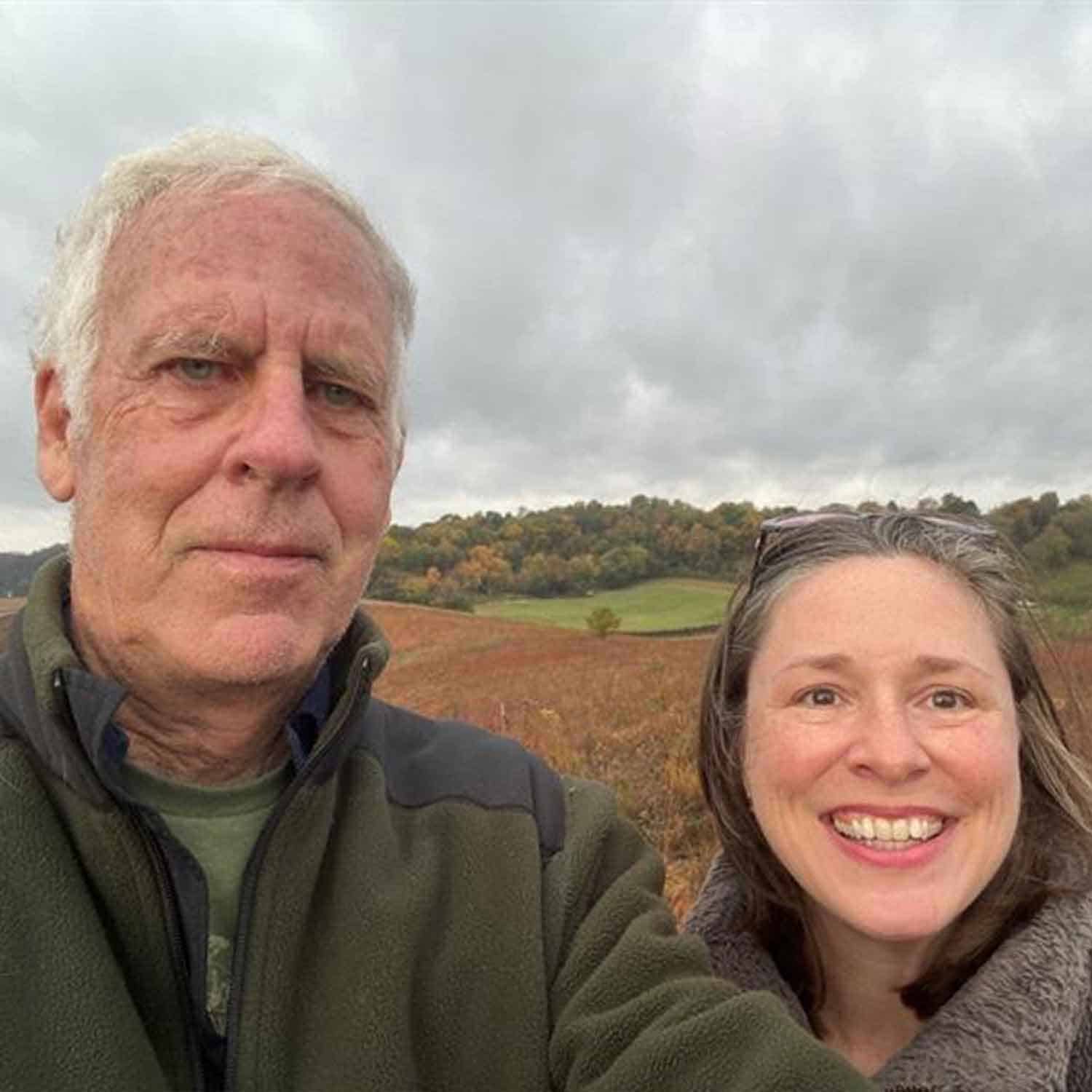
Site Steward Willis Brown and Debra Behrens at Black Earth Rettenmund.
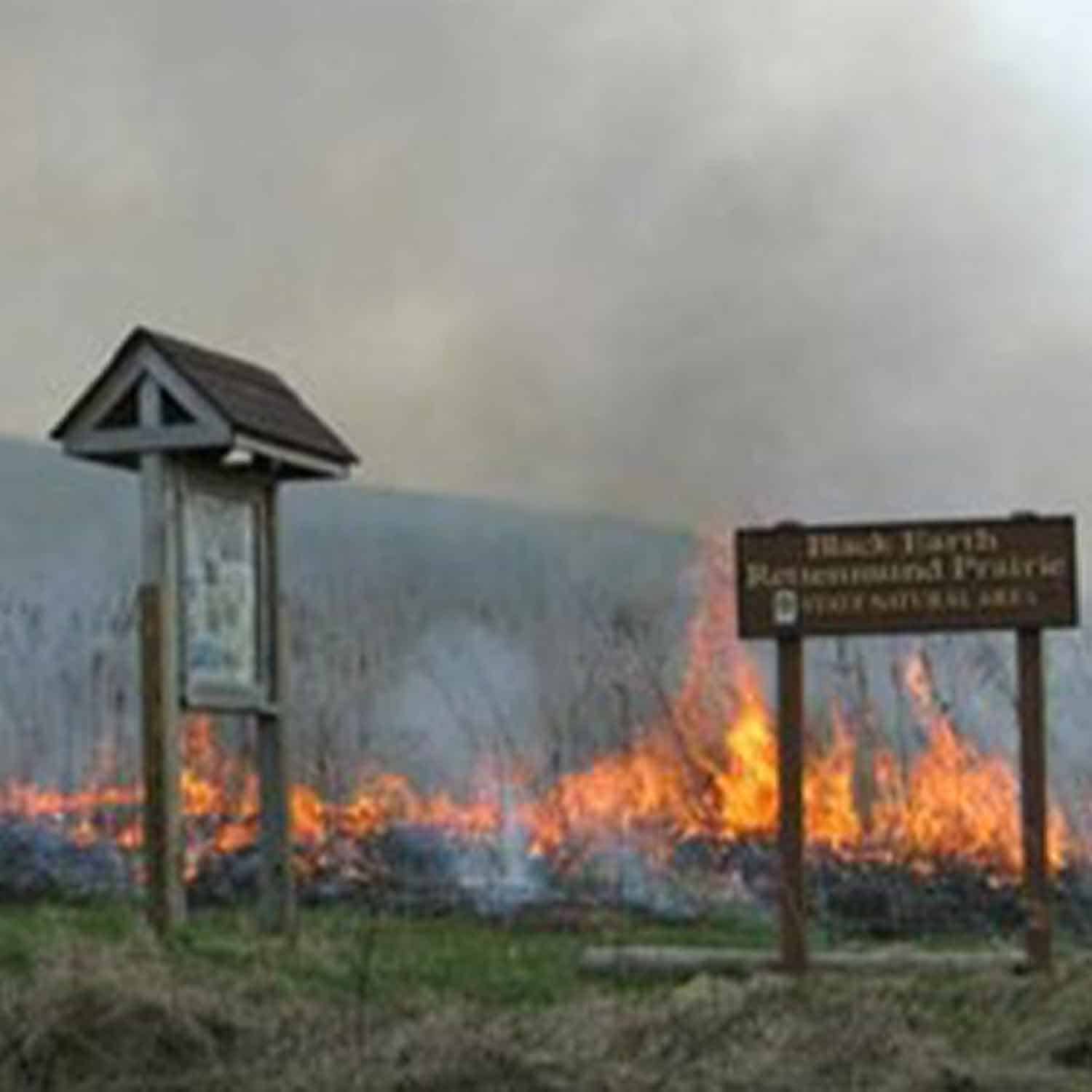
Prescribed fire at Black Earth Rettenmund Prairie. Photographer Unknown.