Hanley Savanna

Hanley Savanna

Hanley Savanna


Sand prairie at Hanley Savanna. Photo by James Quick.

Hanley Savanna

Sand prairie at Hanley Savanna. Photo by James Quick. 

This site is a 160-acre prairie, savanna and woodland restoration in rural Hanover, IL. This site has transformed from row cropland and white pine plantation to several types of prairie ecosystems, including tall grass prairies, oak savannas, fens, sand blowouts and black oak barrens. The property is relatively flat with mowed trails, making it an easy place to hike.

Access & Directions

From Hanover, take Fulton Rd south. Continue onto S. Hanover Hill Rd. Turn left onto South Whitton Rd. There is a building on the left with interpretive signage and explanation of what to see at the site. 
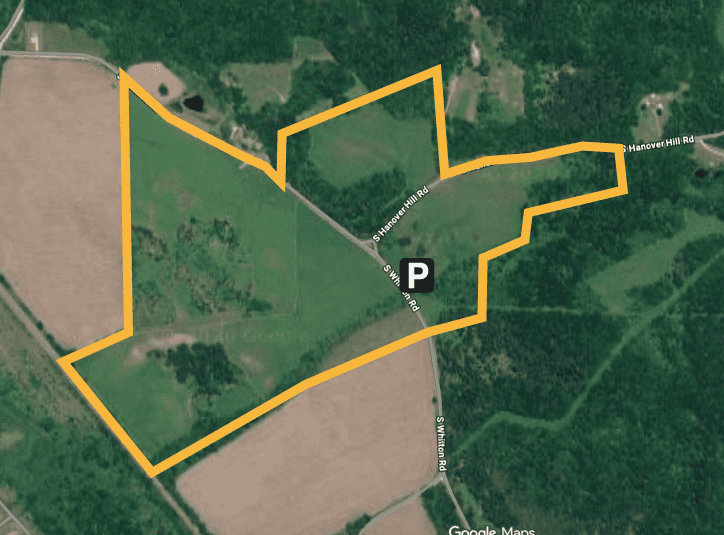
Google Map

Site Steward

Connect with the Chapter to see how you can care for this rare habitat at an upcoming work party.

This site is stewarded by The Prairie Enthusiasts Northwest Illinois Chapter.

Upcoming Events Here

No event found!

How to Enjoy This Site

Allowed:

  • Hiking
  • Outdoor recreation

How to Enjoy This Site

Allowed:

  • Hiking
  • Outdoor recreation


      Staff and volunteers try to identify bees at Hanley Savanna during a spring field trip. Photo by Cassidy Coulson.

      What Makes Hanley Savanna Special

      Hanley Savanna connects the Lost Mound Unit of the Upper Mississippi River U.S. Fish & Wildlife Refuge with the Illinois Department of Natural Resources’ Hanover Bluff Nature Preserve. Altogether, these and adjoining protected areas create the largest protected area in northwest Illinois – about 11,200 acres – with a wide diversity of natural areas from bluff tops down through the Mississippi River.

      Visitors are welcome at Hanley Savanna. Hiking trails throughout the area allow easy access to observe native prairie and savanna plants as well as a variety of grassland and woodland birds. Interpretive signage at the shelter near the intersection of Whitton and Hanover Hill Roads provides details about the history of Hanley Savanna, information about prairies, and a trail map.

      Wood betony at Hanley Savanna. Photo by Sarah Barron.

      How was Hanley Savanna Protected

      In the early 1970s, Jim Lewis purchased almost 300 acres of land from the top of the bluff to the valley below. His farm, a portion of which would become Hanley Savanna, stretched from the railroad tracks to the bluff top.

      In 2003, The Prairie Enthusiasts purchased 110 acres from Lewis, starting Hanley Savanna. The Prairie Enthusiasts purchased an additional 44 acres of land from farmer Gene Roberts and six additional acres from The Nature Conservancy, completing the current 160 acres of Hanley Savanna.

      Staff members and Northwest Illinois Chapter volunteers look at a bee up close on a field trip at Hanley Savanna. Photo by Sarah Barron.

      How You Can Help Hanley Savanna

      The Northwest Illinois Chapter began undertaking the restoration and management of Hanley Savanna’s prairies and savannas in 2003.

      Check out our Events Calendar to see upcoming work parties or contact the site steward to get involved.
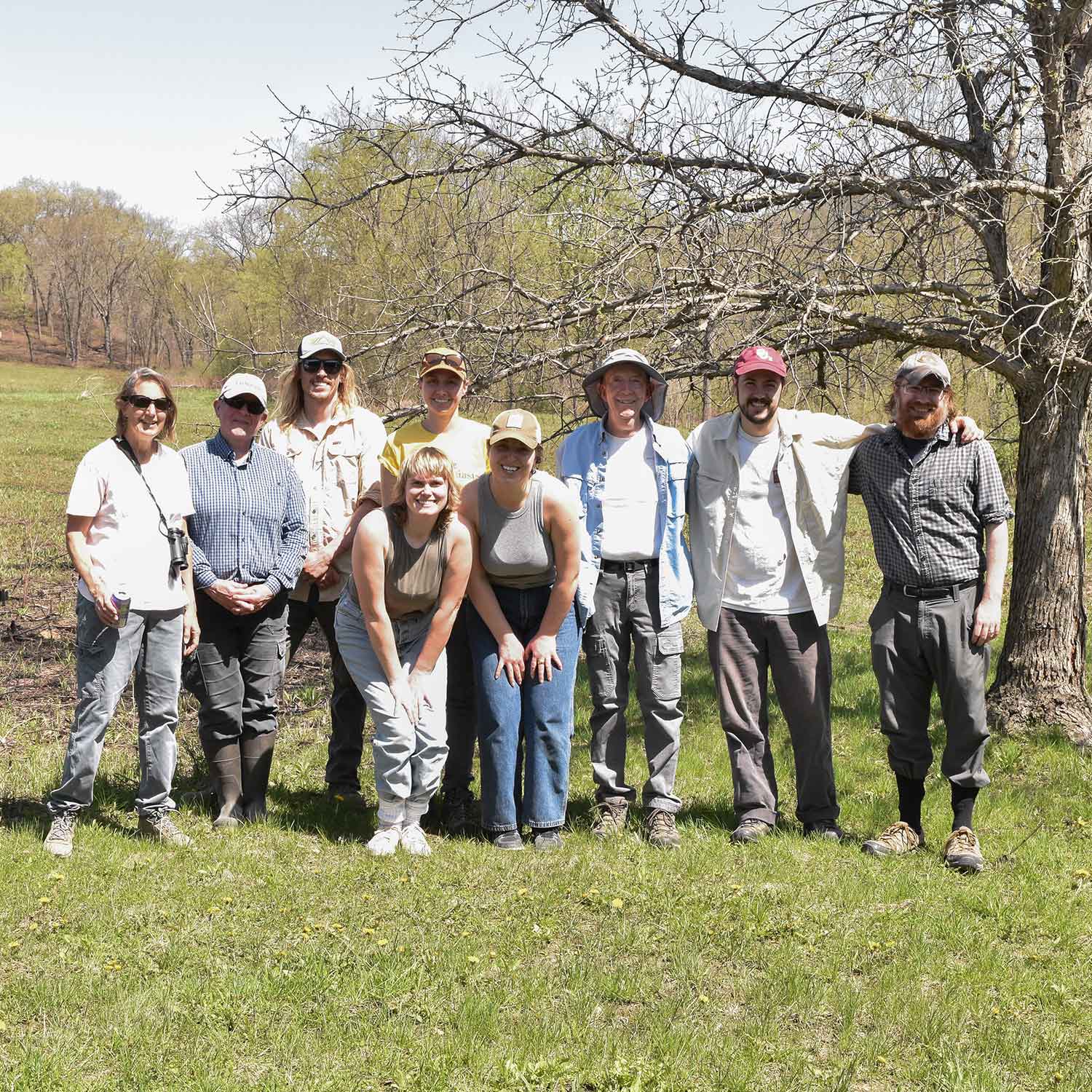
      Following a work party, staff members and volunteers gather at Hanley Savanna’s shelter. Photo by Sarah Barron.
      Elmoville Prairie

      Elmoville Prairie

      Elmoville Prairie

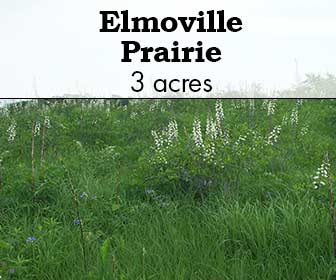
      This 3-acre remnant prairie located in rural Stockton, IL was the first land protection effort of the Northwest Illinois Chapter. Elmoville Prairie is a small, but diverse prairie remnant that supports natural populations of species not known from elsewhere in Jo Daviess County and serves as an important genetic resource for those and other prairie species.


      View of Elmoville Prairie. Photo by Dan Carter.

      Elmoville Prairie

      View of Elmoville Prairie. Photo by Dan Carter. 

      This 3-acre remnant prairie located in rural Stockton, IL was the first land protection effort of the Northwest Illinois Chapter. Elmoville Prairie is a small, but diverse prairie remnant that supports natural populations of species not known from elsewhere in Jo Daviess County and serves as an important genetic resource for those and other prairie species.

      Access & Directions

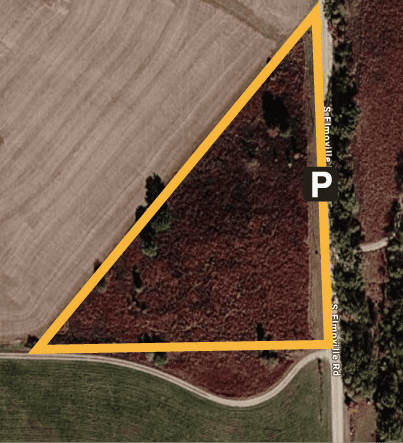
      From Stockton, head south on IL-78. Turn right on E Schuller Rd. Then south (left) on S Elmoville Rd. The prairie will be to the right before hitting E Morseville Rd. 

      Google Map

      Site Steward

      Connect with the site steward to see how you can care for this rare habitat at an upcoming work party.

      This site is stewarded by The Prairie Enthusiasts Northwest Illinois Chapter

      Upcoming Events Here

      No event found!

      How to Enjoy This Site

      Allowed:

      • Hiking
      • Bird Watching

        Not Allowed:

        • Hunting
        • Collecting plants, animals or other natural materials

        How to Enjoy This Site

        Allowed:

        • Hiking
        • Bird Watching

          Not Allowed:

          • Hunting
          • Collecting plants, animals or other natural materials


          View of Eldred Prairie. Photo by Dan Carter.

          What Makes Elmoville Prairie Special

          Interesting Info here. Remember not to note listed species (endangered, threatened, etc.) Good things to include are non-listed species. When to enjoy the site. animals to see or hear. special events held there. unique characateristics. 

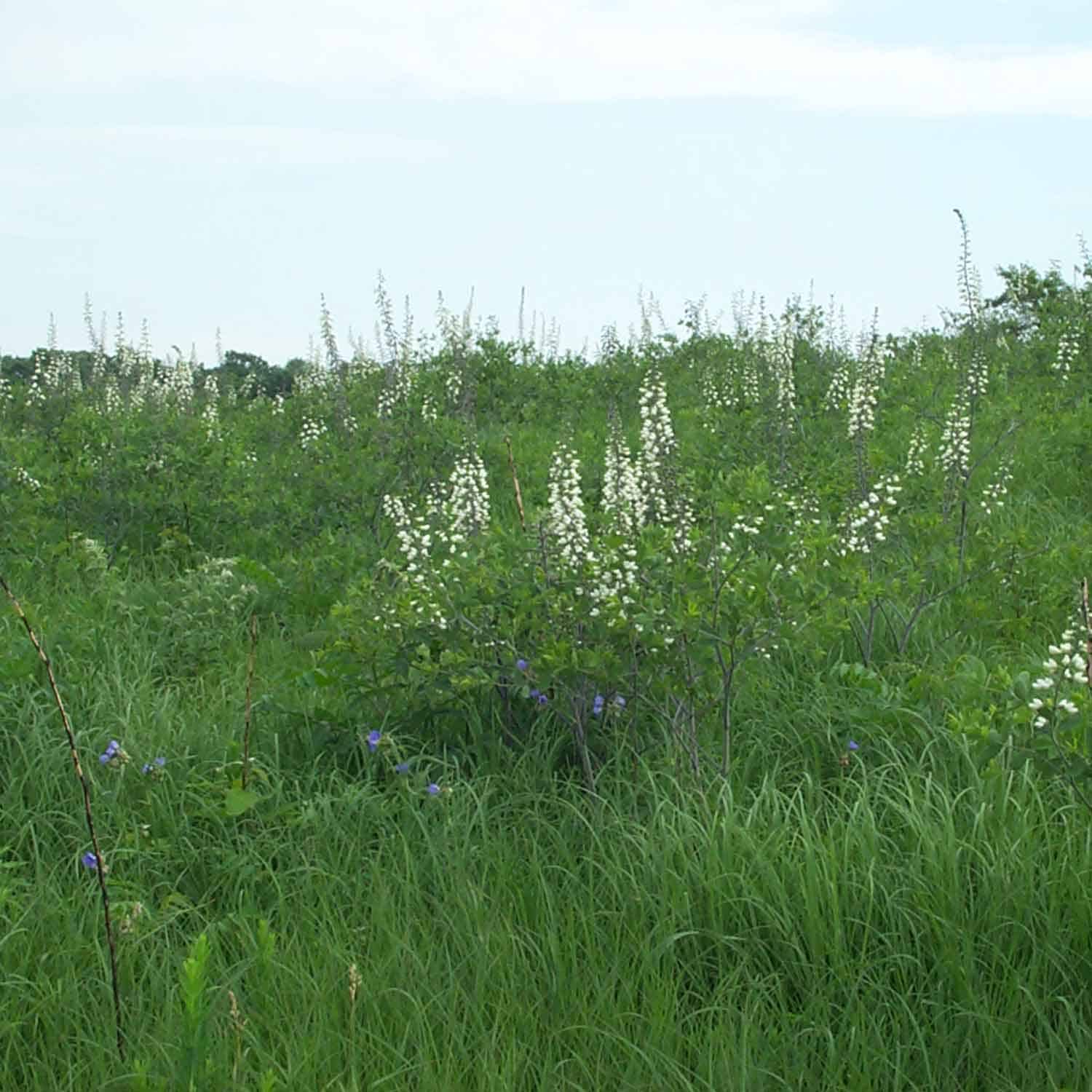
          White baptisia at Elmoville Prairie. Photo by unknown photographer.

          How was Elmoville Prairie Protected

          Elmoville Prairie falls on lands that were taken by the US government in the 1829 treaty with the Chippewa, Ottawa, and Potawatomi. The Illinois early 1800s land cover map classifies most of site as historical prairie, but the southwest corner and lands to the west are classified as timber. 

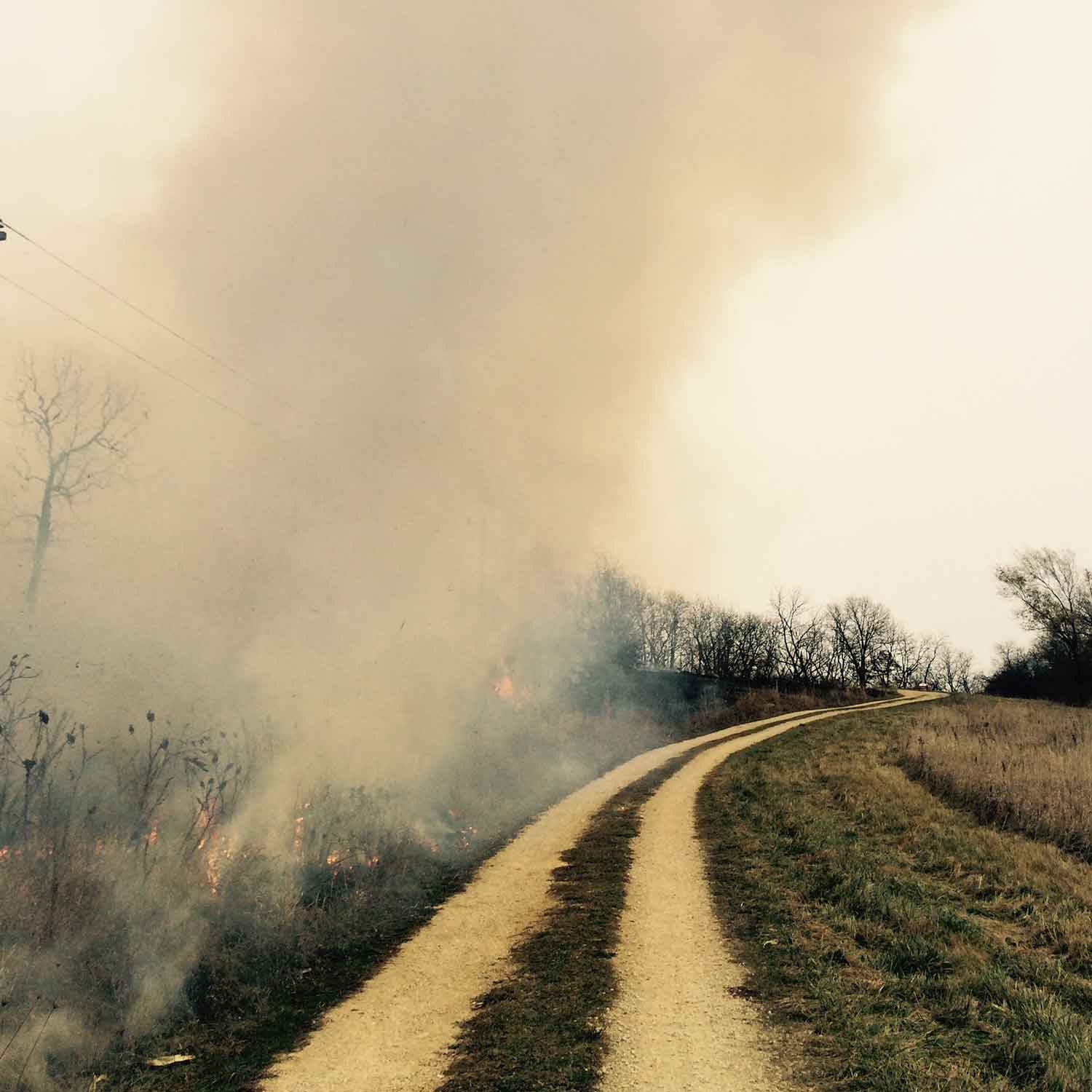
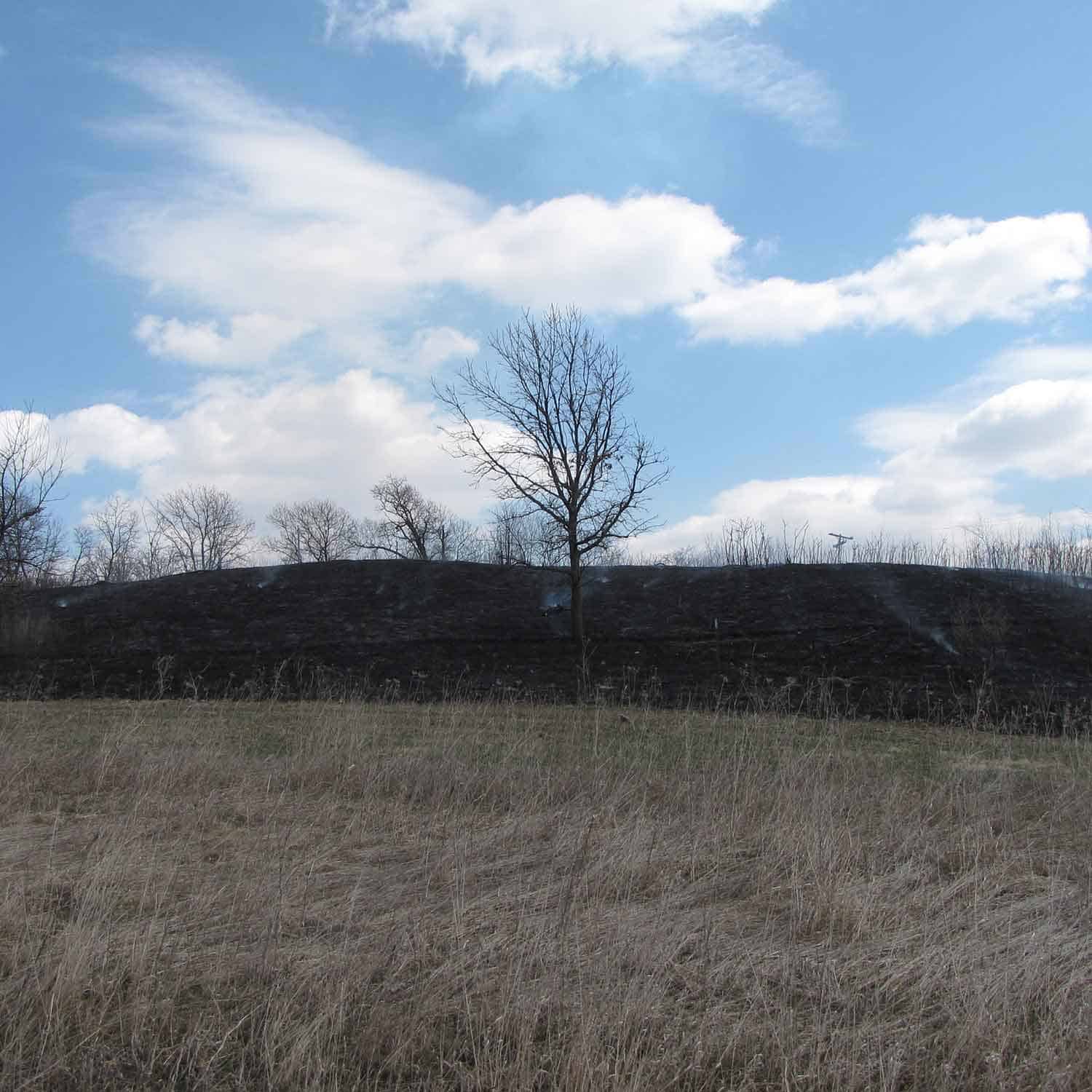
          The Prairie Enthusiasts acquired this tract in 1996. Subsequently, it has been burned every three to five years, and woody vegetation and herbaceous invasive species have been periodically removed. In 2014 seed sourced for 21 species collected on or in the immediate vicinity.

          Prescribed burn in 2014 at Elmoville Prairie. Photo by unknown photographer.

          How You Can Help Elmoville Prairie

          The main concern at this site is invasive shrubs. This site would also benefit from more frequent burns, so whether you’re trained in prescribed fire, or would like to get out the loppers, join us in saving this rare habitat. 

          Check out our Events Calendar to see upcoming work parties or contact the site steward to get involved.

          Prescribed burn at Elmoville Prairie. Photo by unknown photographer.