Thomas Wet Prairie

Thomas Wet Prairie

Thomas Wet Prairie

These 13.7 acres preserve wet prairie, sedge meadow, little pools, clumps of willow and a single large bur oak. This site was the first property owned by The Prairie Enthusiasts.


View of Thomas Wet Prairie. Photo by Kristin Westad.

Thomas Wet Prairie

View of Thomas Wet Prairie. Photo by Kristin Westad. 

These 13.7 acres preserve wet prairie, sedge meadow, little pools, clumps of willow and a single large bur oak. This site was the first property owned by The Prairie Enthusiasts.

Access & Directions

Thomas Wet Prairie is located in Grant County on County Trunk Highway G, approximately 7.5 miles south of the village of Muscoda and 8 miles north of the intersection with US Highway 18. 16403 County Road G, Muscoda 53573.
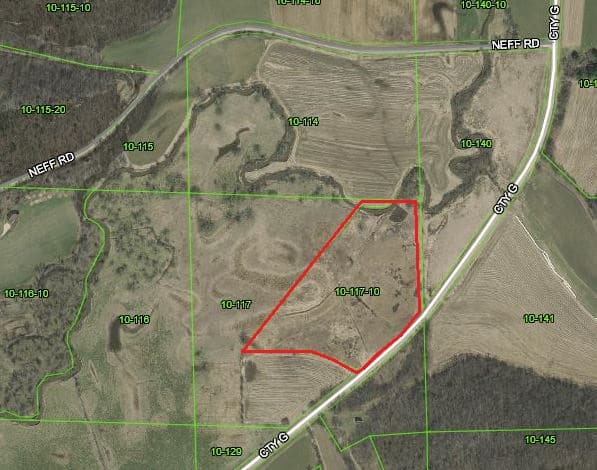

Google Map

Site Steward

Connect with the site steward to see how you can care for this rare habitat at an upcoming work party.

This site is stewarded by The Prairie Enthusiasts Southwest Wisconsin Chapter.

Site Steward: Kristin Westad (Email)

How to Enjoy This Site

Allowed:

  • Hiking
  • Hunting (for all species, no permit or reservation required)

How to Enjoy This Site

Allowed:

  • Hiking
  • Hunting (for all species, no permit or reservation required)


Prairie sunrise. Photo by Gary Shackelford.

What Makes Thomas Wet Prairie Special

Biologists have recorded over 200 plant species and scores of insect and spider species. When was the last time you saw a crayfish tunnel in a prairie? This site is full of them. It is also home to a fuzzy-shelled old snapping turtle. Each summer, dozens of sedge wrens and a few snipe nest there. Bald eagles often visit the bur oak.

Spiders and other insects can be found at Thomas Wet Prairie. Photo by Gary Shackelford.

How was Thomas Wet Prairie Protected

For decades, the Thomas family left their cattle in the wet prairie. Far from the barn, and too squishy for easy walking, cattle didn’t graze the land very hard. The Thomas family includes nature lovers. They never installed drain tile or broadcast sprayed the pasture with herbicide the way some farmers might. Their gentle approach to farming sustained the native community.

In the late 1980s, the Prairie Enthusiasts purchased 13.7 acres from the Thomas family with targeted funds from a major donor. Before then, volunteers had explored, documented and managed prairie remnants, but hadn’t acquired any land for permanent protection. At Thomas Wet Prairie, The Prairie Enthusiasts became a landowner for the first time.
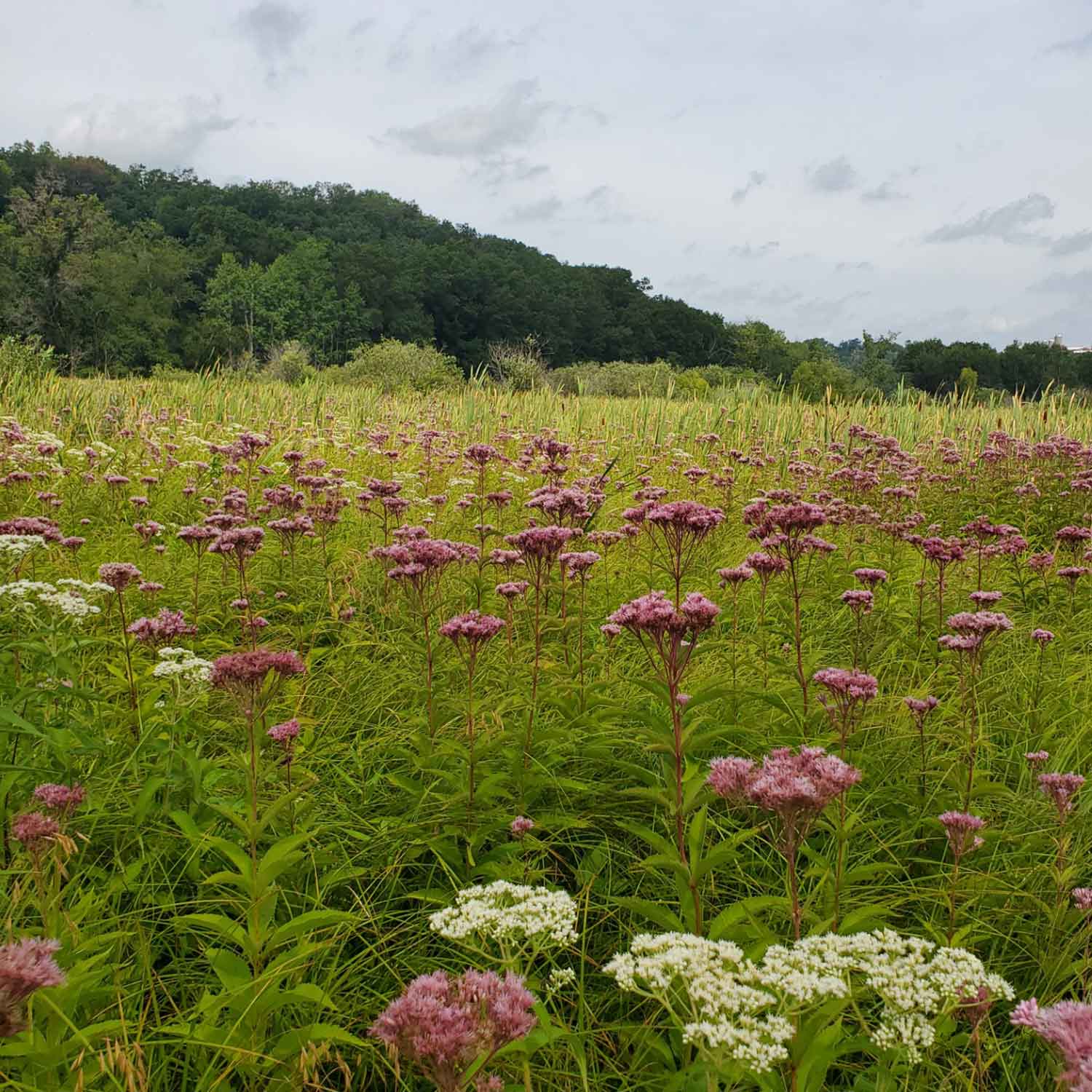
Looking across Thomas Wet Prairie. Photo by Kristin Westad.

How You Can Help Thomas Wet Prairie

Although Thomas Wet Prairie never had the dense brush that threaten many prairies, reed canary grass and hybrid cattails crowd out native species in parts of the preserve. To reduce their abundance, volunteers use a combination of frequent fire and selective herbicide treatment. When burning, volunteers leave half of the land unburned as a refuge for fire-sensitive species. Volunteers spread seeds of native species into the areas where they are removing pest species.

Check out our Events Calendar to see upcoming work parties or contact the site steward to get involved.
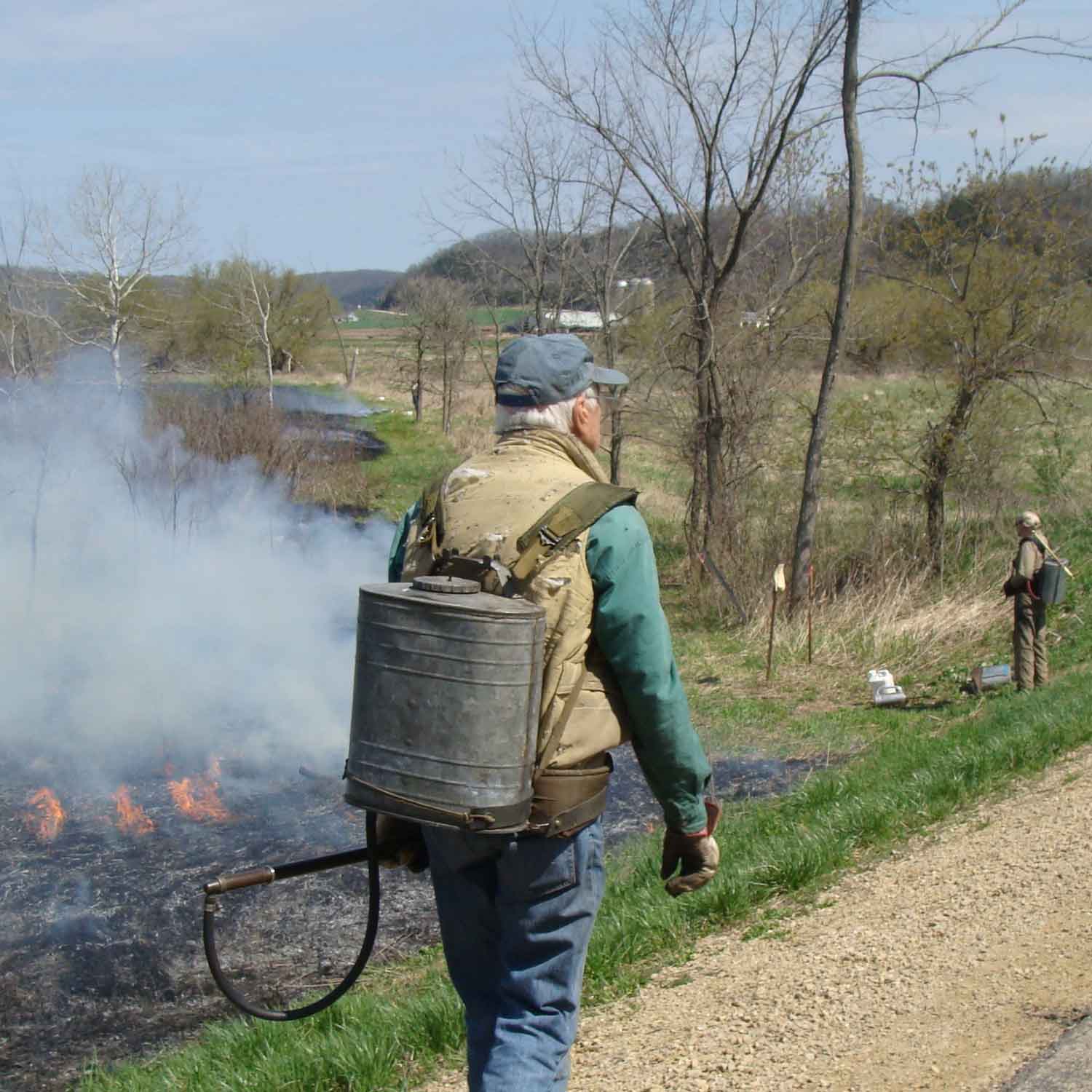
Prescribed burn at Thomas Wet Prairie. Photo by Kurt Lifka.

Thomas Tract

Thomas Tract

Thomas Tract

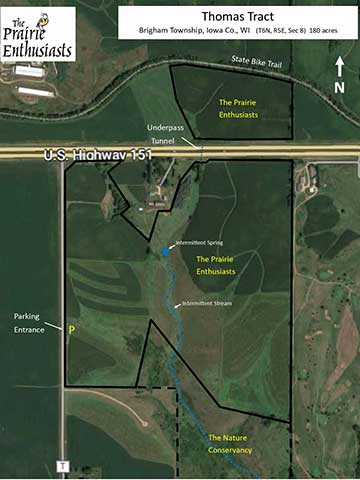
Along Highway 18, just west of Barneveld, this site stretches out across a long draw, where the land pitches and folds into itself. 190 acres in a mix of native grassland and agricultural land, it sits between the Military Ridge State Trail to the north and The Nature Conservancy’s Barneveld Prairie to the south, creating a large block of contiguous habitat for rare prairie plants and grassland birds to flourish. 


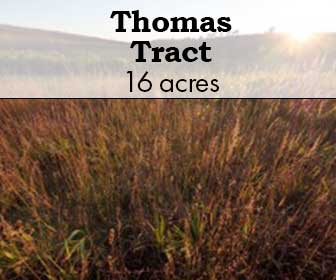
The expansive view of Thomas Tract. Photo by Reid Bartholomew.

Thomas Tract

The expansive view of Thomas Tract. Photo by Reid Bartholomew. 

Along Highway 18, just west of Barneveld, this site stretches out across a long draw, where the land pitches and folds into itself. 190 acres in a mix of native grassland and agricultural land, it sits between the Military Ridge State Trail to the north and The Nature Conservancy’s Barneveld Prairie to the south, creating a large block of contiguous habitat for rare prairie plants and grassland birds to flourish. 

Access & Directions

3975 County Highway T in Barneveld, WI 53507

Google Map

Site Steward

Connect with the site steward to see how you can care for this rare habitat at an upcoming work party.

This site is stewarded by The Prairie Enthusiasts Empire-Sauk Chapter.

Site Steward: Andy Sleger (Email)

How to Enjoy This Site

Allowed:

  • Hiking
  • Hunting (for all species, no permit or reservation required)

      How to Enjoy This Site

      Allowed:

      • Hiking
      • Hunting (for all species, no permit or reservation required)


          The Thomas family historic barn. Photo by Reid Bartholomew.

          What Makes Thomas Tract Special

          Once common in southern Wisconsin, prairies are very rare today. The 95,000-acre Military Ridge Prairie Heritage Area in Dane and Iowa counties contains one of the highest concentrations of native grasslands in the Midwest. It provides important habitat for plants and animals like meadowlarks and other grassland birds, which have disappeared in more developed parts of the region. The federally-endangered prairie bush clover occurs on The Nature Conservancy’s (TNC) land to the south. Because there is similar habitat on The Prairie Enthusiasts’ land, the population of this rare plant is expected to expand as restoration progresses. The adjacent land owned by TNC also has a population of the State Endangered regal fritillary butterfly, we expect it to move on to this portion of land as well, especially as restoration proceeds. 

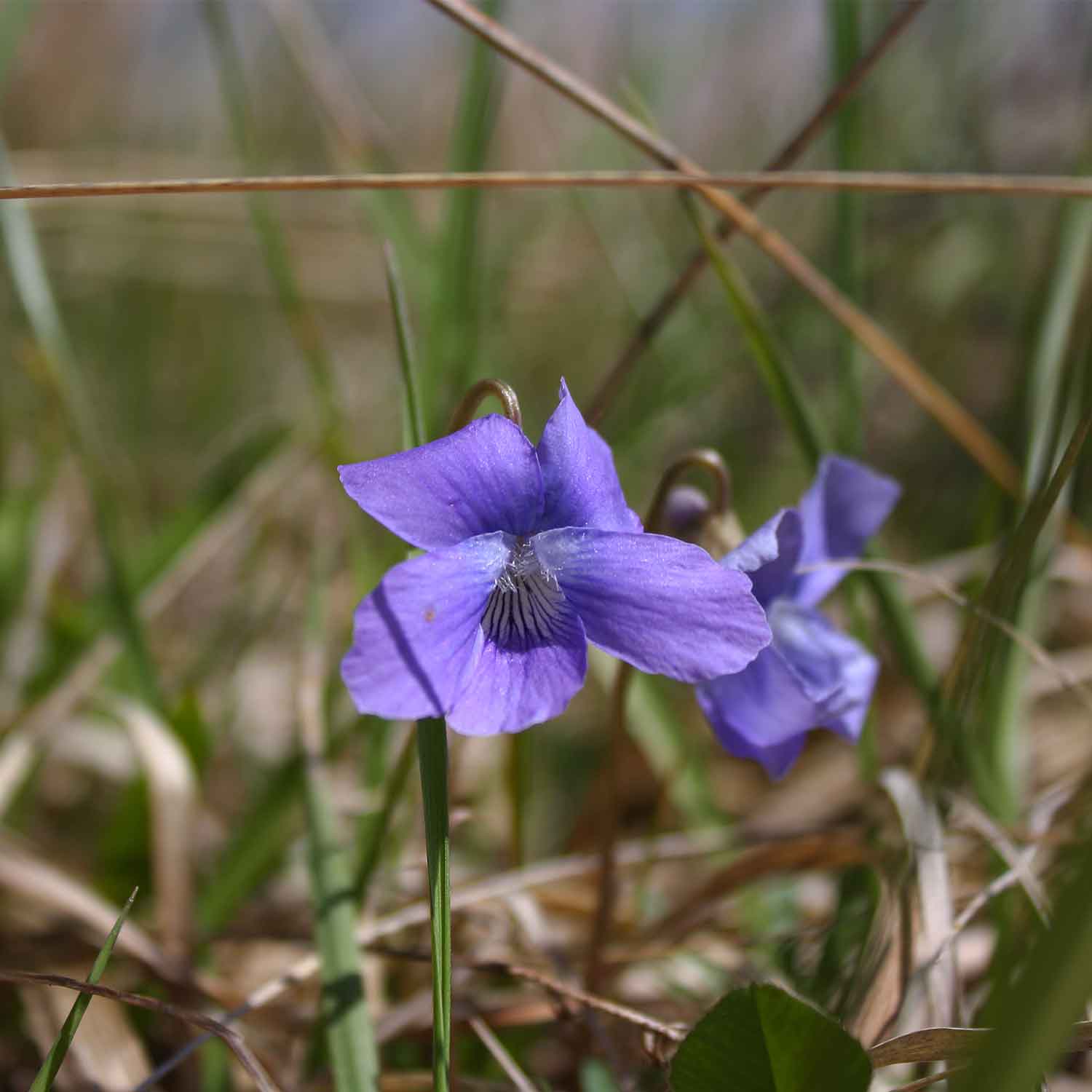
          Violet at Thomas Tract. Photo by Reid Bartholomew.

          How was Thomas Tract Protected

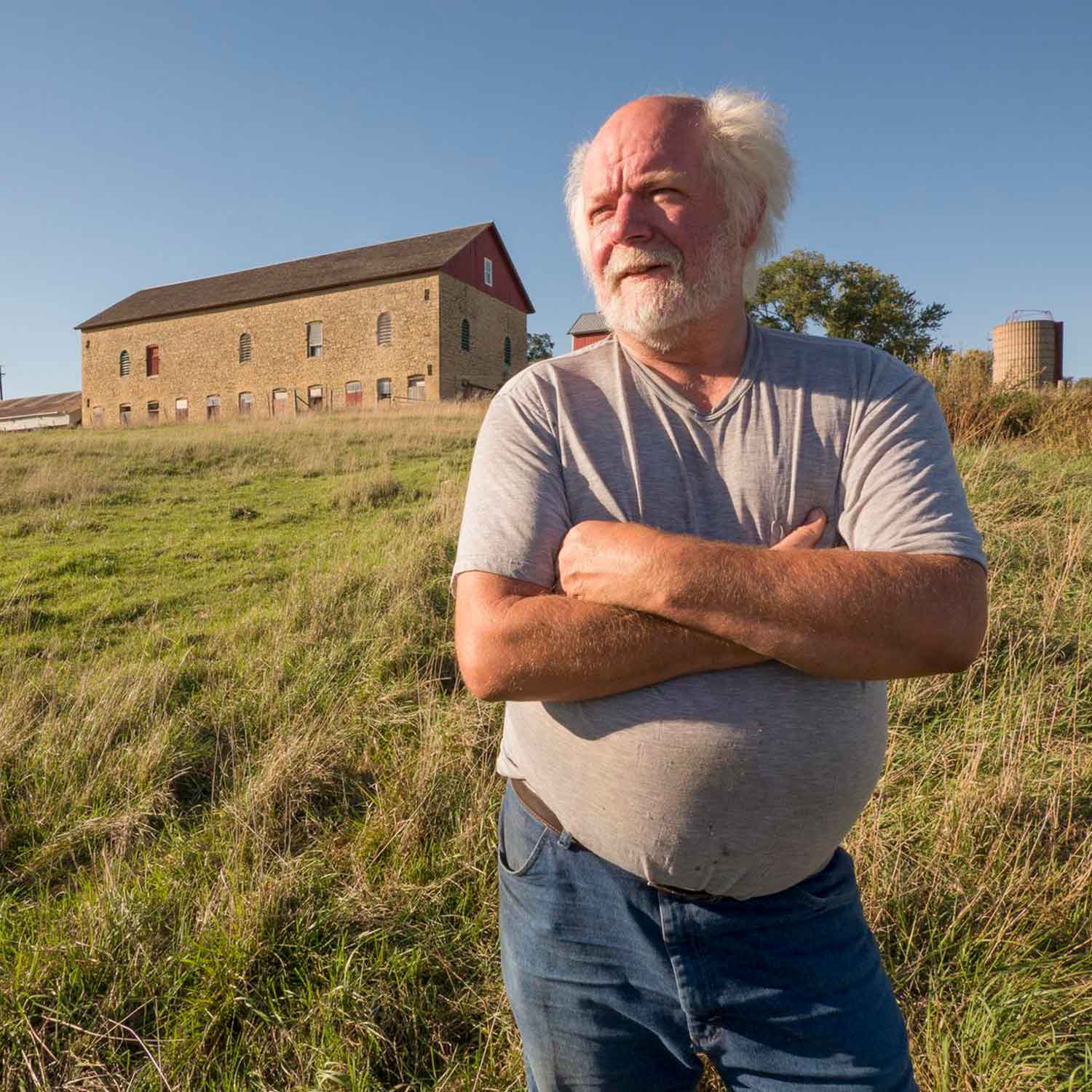
          In 1860, the Thomas family arrived from Wales in southwestern Wisconsin and settled among the rolling hills, beginning a multi-generational history of tending to the land as farmers. Stonemasons by trade, they built a stone barn from local materials, completing it in 1880. Nearly 150 years later, the barn is still standing, listed in both the Wisconsin and National Register of Historic places and watched over by the great grandson of the people who built it with their own hands, Doug Thomas. 

          Doug had a front-row seat as the land around him began to change over the years. Subdivisions went up with large houses on land that his neighbors once farmed. Trees began to rise across the landscape that had been clear only a generation before. A golf course was constructed just over the hill to the east. As the last of his family still living on the land, he knew that he wanted to honor the deep connection that his family had built with the place: “My father and his brother, they never wanted this to be developed. 

          Protecting the land was a team effort that took place over time. With the Thomas family land located in the Military Ridge Prairie Heritage Area, it’s in one of the highest-priority regions for conservation statewide where multiple state and non-profit actors have worked alongside one another for decades. The Nature Conservancy initially purchased 79 acres from the Thomas family back in 1997 directly south of the Thomas Tract, and Driftless Area Land Conservancy had worked with Doug to place a conservation and historic preservation easement on these 190 acres in 2005 to ensure that the barn and the land would be protected in perpetuity. Finally, in 2014, The Prairie Enthusiasts and The Nature Conservancy worked in collaboration to purchase the property, and the remainder of the Thomas’ family’s land was protected in one form or another.

          Doug Thomas by the historic barn at Thomas Tract. Photo by Mark Godfrey of The Nature Conservancy.

          How You Can Help Thomas Tract

          The Empire-Sauk Chapter has been stewarding the site, taking their time slowly restoring portions of the site. For Andy Sleger, Land Manager for the Empire-Sauk Chapter and Site Steward for the Thomas Tract, the first step has been to control the invasive species that are abundant on parts of the site, including Burnet saxifrage, sweet clover, and spotted knapweed. He’s proud of the progress that’s been made in the past few years and shared his excitement over the way that native species such as needle grass have responded with the reduction in invasive species pressure. With consistent fire being returned to the site, Andy can see the native species that have survived beginning to flourish once again. Doug, for his part, is relieved to see that the legacy of his family’s care for the land will continue on: “It’s the best feeling knowing that it will stay the same, knowing that somebody can’t build a house over this.”

          The primary goal is to restore the Thomas land back to its original open prairie, which is important for declining grassland birds and other wildlife. This will be a volunteer effort for the most part, and the Empire-Sauk Chapter welcomes new volunteers. In the future, we hope to work with the community and our partners to form a “Friends of the Thomas Stone Barn” group to contribute the knowledge and expertise with historic buildings that we lack, and help make the barn a place where people can gather and experience our prairie and agricultural heritage.

          Check out our Events Calendar to see upcoming work parties or contact the site steward to get involved.

          Grasses at Thomas Tract. Photo by Reid Bartholomew.

          Sylvan Road Conservation Area

          Sylvan Road Conservation Area

          Sylvan Road Conservation Area

          This 99-acre site is made up of oak woods, wet prairie and riparian scrub/young forest. The wet prairie consists of wet mesic prairie, wet prairie and sedge meadow.


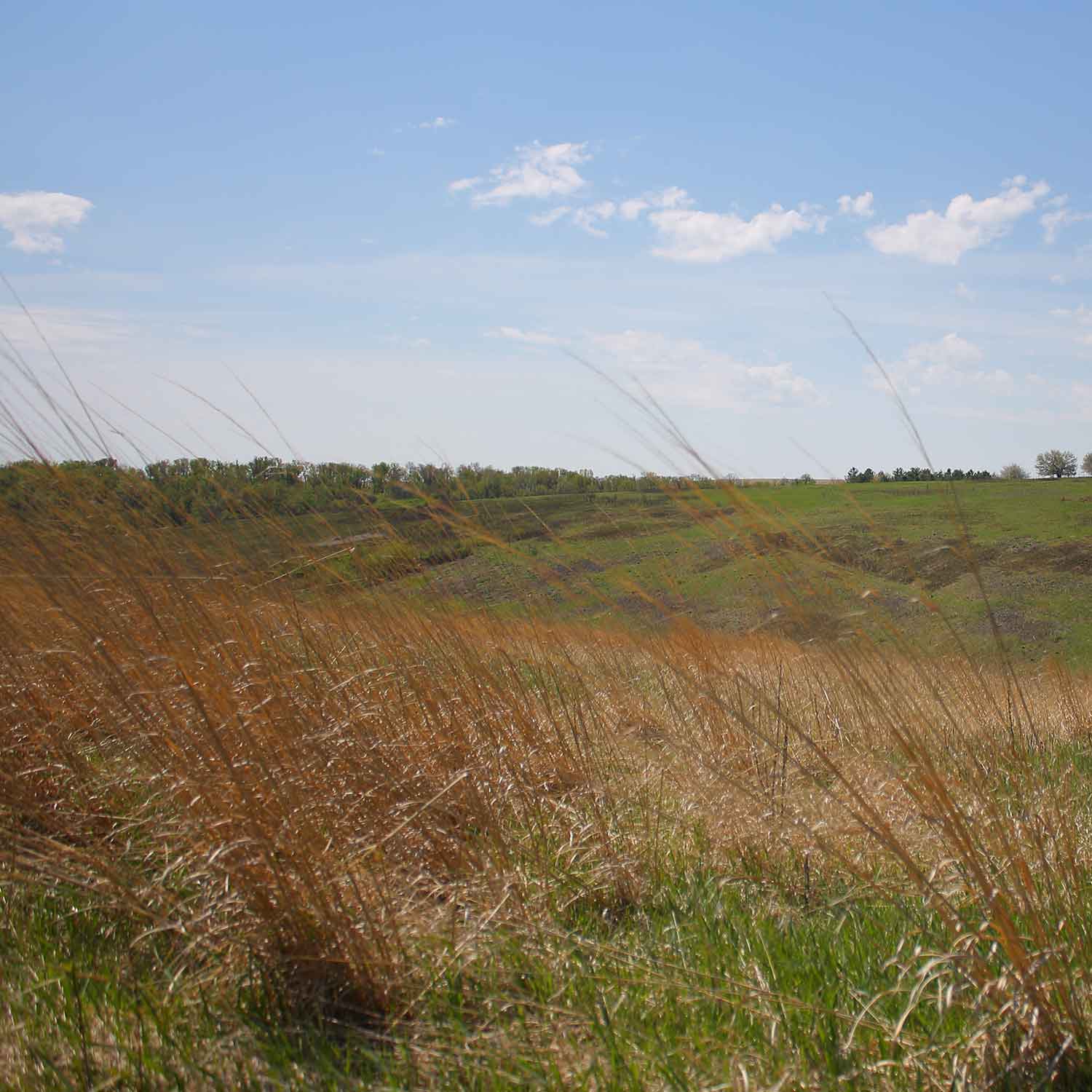
          View of Sylvan Road Conservation Area. Photo by Tom Hunt.

          Sylvan Road Conservation Area

          View of Sylvan Road Conservation Area. Photo by Tom Hunt.

          This 99-acre site is made up of oak woods, wet prairie and riparian scrub/young forest. The wet prairie consists of wet mesic prairie, wet prairie and sedge meadow.

          Access & Directions

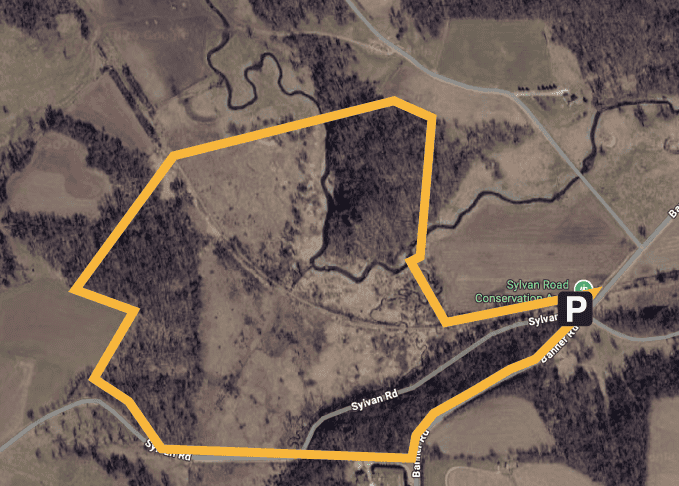
          This site is southeast of Dodgeville along Sylvan and Banner Roads in the Town of Waldwick.

          Google Map

          Site Steward

          Connect with the Chapter to see how you can care for this rare habitat at an upcoming work party.

          This site is stewarded by The Prairie Enthusiasts Southwest Wisconsin Chapter.

          Chapter Contact: (Email)

          Upcoming Events Here

          No event found!

          How to Enjoy This Site

          Allowed:

          • Hiking
          • Hunting (for all species, no permit or reservation required)

          How to Enjoy This Site

          Allowed:

          • Hiking
          • Hunting (for all species, no permit or reservation required)


              Unique rock formation at Sylvan Road Conservation Area. Photo by Jerry Newman.

              What Makes Sylvan Road Conservation Area Special

              This area is the gem of this parcel and contains a number of species rarely found in Wisconsin, including rattlesnake master, yellow-headed fox sedge, and prairie gray sedge. Prairie Indian plantain, a threatened species, is also found in this community.

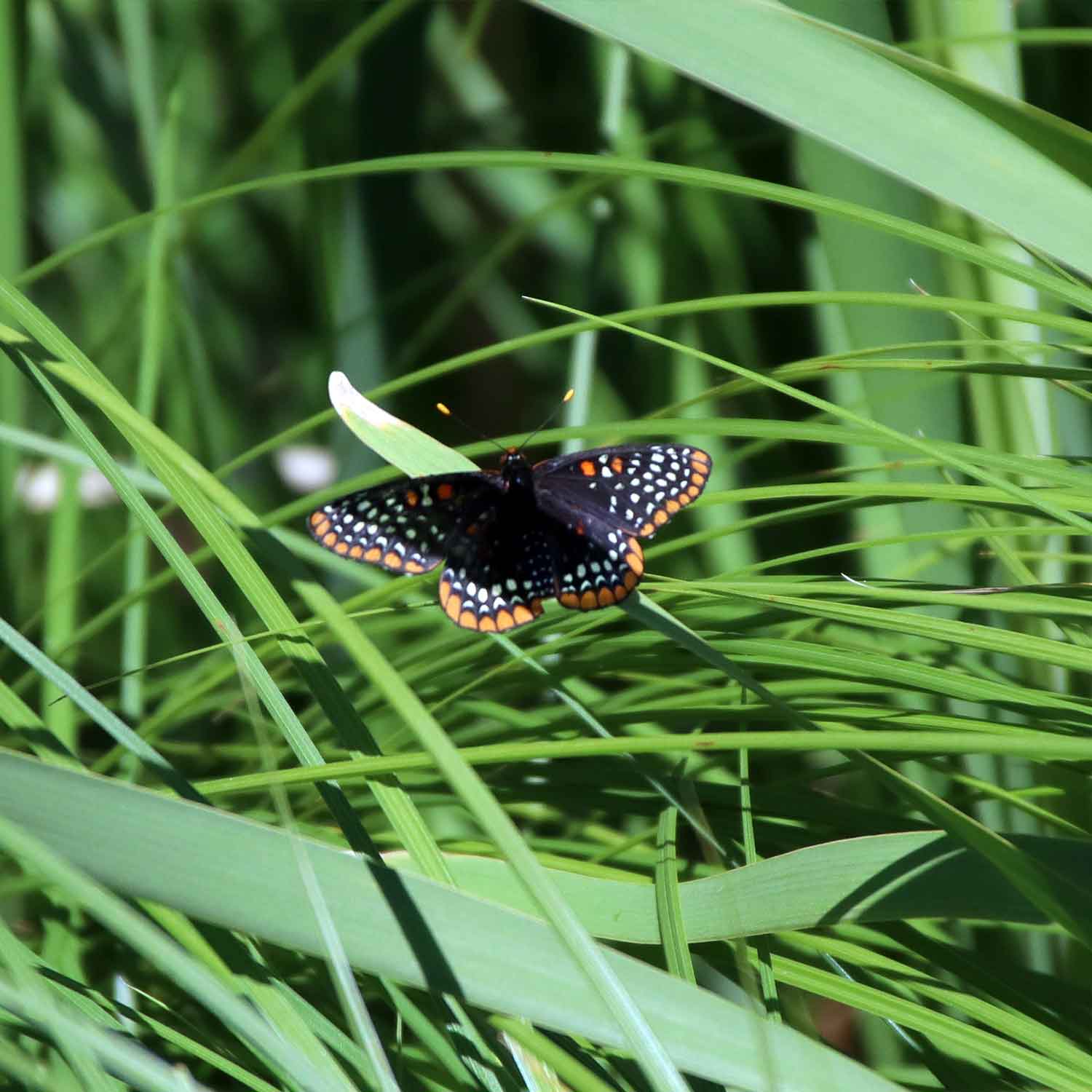
              Butterfly at Sylvan Road Conservation Area. Photo by Jerry Newman.

              How was Sylvan Road Conservation Area Protected

              The Prairie Enthusiasts purchased this site in 2014.

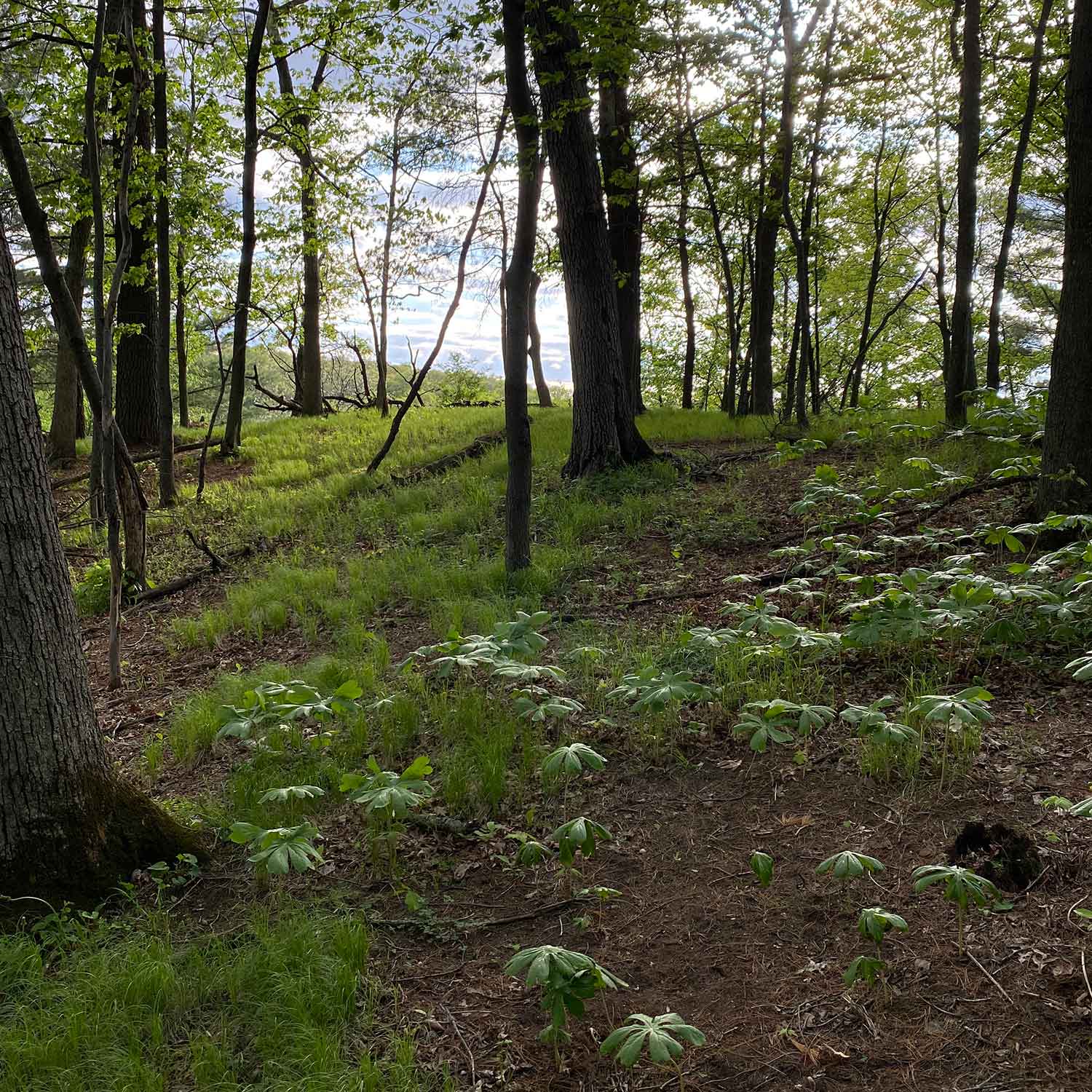
              Walking through Sylvan Road Conservation Area. Photo by Tom Hunt.

              How You Can Help Sylvan Road Conservation Area

              Check out our Events Calendar to see upcoming work parties or contact the site steward to get involved.

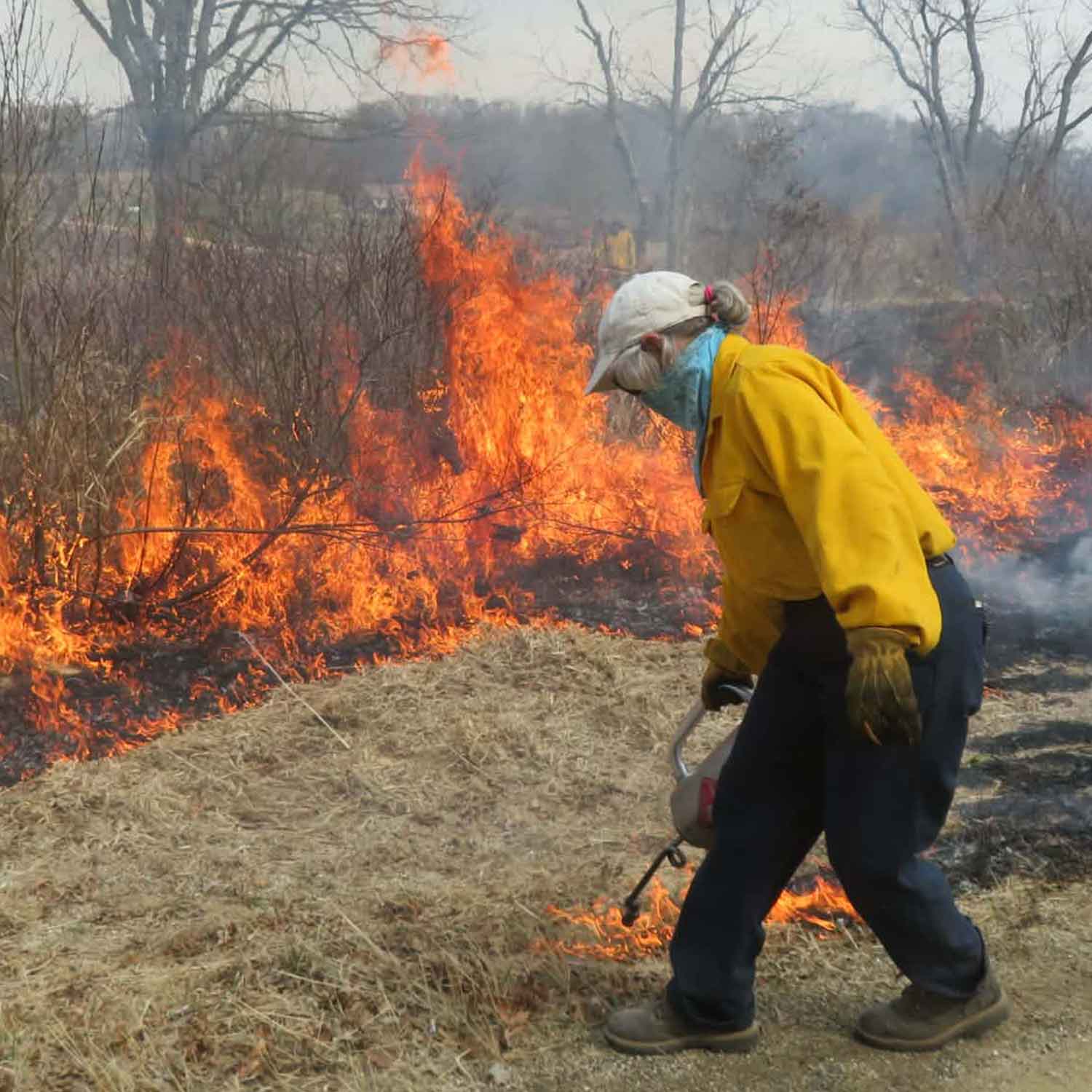
              Prescribed burn at Sylvan Road Conservation Area. Photo by Don Isbister.

              Iris Drive Prairie

              Iris Drive Prairie

              Iris Drive

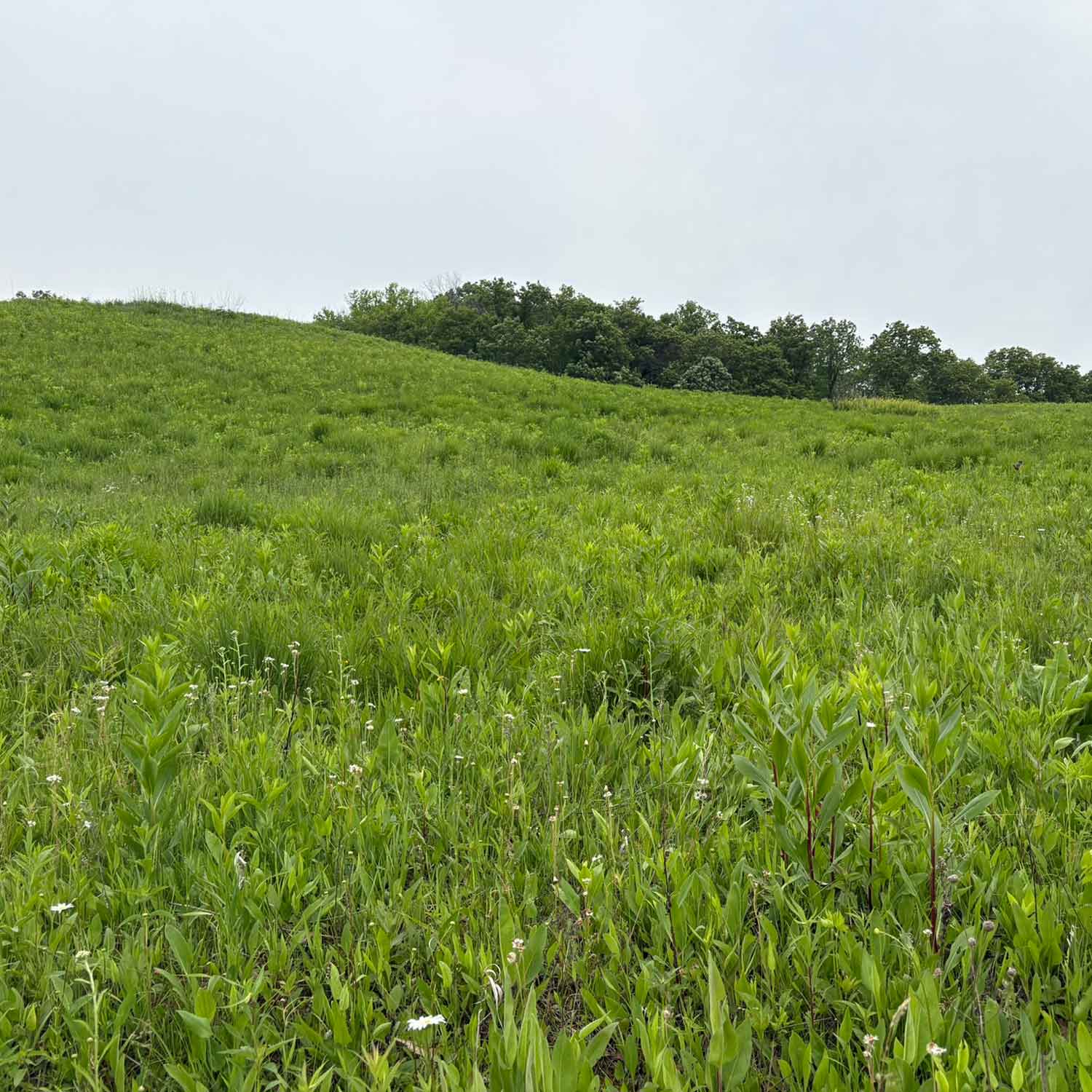
              This 107-acre site includes approximately 20 acres of remnant prairie located on south facing slopes. The site is located in central Crawford County, WI in the lower Kickapoo River Valley. The area is known as an important bird area that is contiguous to the Lower Wisconsin River Way several miles to the south.


              Iris Drive in summer. Photo by Gary Eldred.

              Iris Drive

              Iris Drive in summer. Photo by Gary Eldred. 

              This 107-acre site includes approximately 20 acres of remnant prairie located on south facing slopes. The site is located in central Crawford County, WI in the lower Kickapoo River Valley. The area is known as an important bird area that is contiguous to the Lower Wisconsin River Way several miles to the south.

              Access & Directions

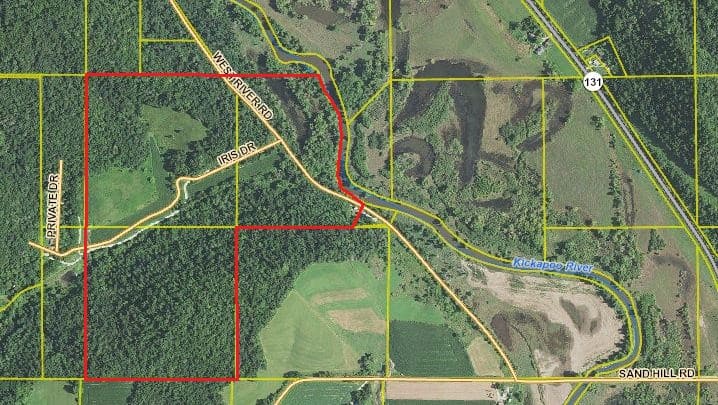
              The address for the site is 18663 West River Road, Gays Mills, WI 54631. From the village of Gays Mills, WI drive west on HW 171. As you cross the Kickapoo River take the immediate next left onto River Road. Continue south for 2 miles to Iris Drive on your right. You have now arrived at the property. The rural route number is posted along River Road a few hundred feet south of the intersection. To access the prairies, turn right onto Iris Drive and continue for 1,000 feet. There is a farm lane entrance on your right that you can turn into and park off of the road. As you walk north on the farm lane, the eastern prairie that has been restored since 2012 is on your right, and the western prairie that has been restored since 2016 is on your left.

              Google Map

              Site Steward

              Connect with the site steward to see how you can care for this rare habitat at an upcoming work party.

              This site is stewarded by The Prairie Enthusiasts Southwest Wisconsin Chapter.

              Site Steward: Bob Retko: (262) 384-0081 or (Email)

              Upcoming Events Here

              No event found!

              How to Enjoy This Site

              Allowed:

              • Hunting
              • Fishing
              • Trapping
              • Canoeing
              • Outdoor Recreation

                Not Allowed:

                • Collecting plants, rocks or animals without permission from The Prairie Enthusiasts

                How to Enjoy This Site

                Allowed:

                • Hunting
                • Fishing
                • Trapping
                • Canoeing
                • Outdoor Recreation

                  Not Allowed:

                  • Collecting plants, rocks or animals without permission from The Prairie Enthusiasts


                  View of Iris Drive looking up the hill. Photo by Gary Eldred.

                  What Makes Iris Drive Special

                  The property is approximately 4 miles north of the Hogsback Prairie, owned by The Nature Conservancy and a WI dedicated State Natural Area. Adjacent to Iris Drive to the east is the WI DNR’s lower Kickapoo Wildlife Area, and 0.5 miles to the north is Mississippi Valley Conservancy’s Kickapoo Bottoms property.

                  The lower Kickapoo River valley and its tributaries contain numerous south facing slopes that house many high quality hill prairie remnants. Most of these are privately owned and are so steep and bare that they continue to host a diverse amount native species that are present amongst the scattered cedar and prostrate juniper.

                  The property also includes a northern sloped forest that includes some limestone outcropping and a good cover of mature oak species. East of River Road the property fronts along the Kickapoo River for a 0.5 miles.

                  The best times to visit and see wildflowers are spring and late summer. In early May, there is a large population of puccoons, violets, sand cress and some cream baptisia. Later in autumn you can see all the tall grasses, nine kinds of asters, five species of goldenrods, gentians and blazing stars. The main remnant area has been cleared by local volunteers. Prior to restoration efforts, nearly 80% of the area was covered with raspberries, honeysuckle and sumac.

                  There are currently populations of conservative uncommon species characteristic of dry-mesic to mesic prairie, including, cream indigo, white prairie clover, butterfly milkweed, compass plant, leadplants, and New Jersey tea. Purple Milkweed has been observed in the past, and it is anticipated that with more active management and inventorying that more rare species will be observed. Insect and bird inventories have not been conducted.

                  Either the Swenson Hill or nearby Drakenburg prairie were included in the description and analysis of dry-mesic prairies in John Curtis’s seminal work The Vegetation of Wisconsin (1956).  Notes within the 1990 TNC description of the sites and the St. John’s Complex suggest that Olive Thomson visited these sites in the 1950’s. (Read more about Dr. John and Olive Thomson, premier conservationists, environmental education leaders and naturalists.)

                  Glimpse of the slope at Iris Drive. Photo by Dan Carter.

                  How was Iris Drive Protected

                  In 2012, founding member of The Prairie Enthusiasts, Gary Eldred, discovered the prairie remnant. He contacted the previous property owner who lived out of state and by that fall, he developed a working relationship with the original owner of the site who agreed to allow Gary to begin managing the property.

                  The property was purchased by The Prairie Enthusiasts in June of 2016 with funds from the WI DNR Knowles Nelson Stewardship Program. The property already had a public hunting and fishing easement placed on the property in the 1960’s.

                  Since 2012, Southwest Wisconsin Chapter volunteers have cleared all the remnant prairie present and have continued to work on a regular basis.

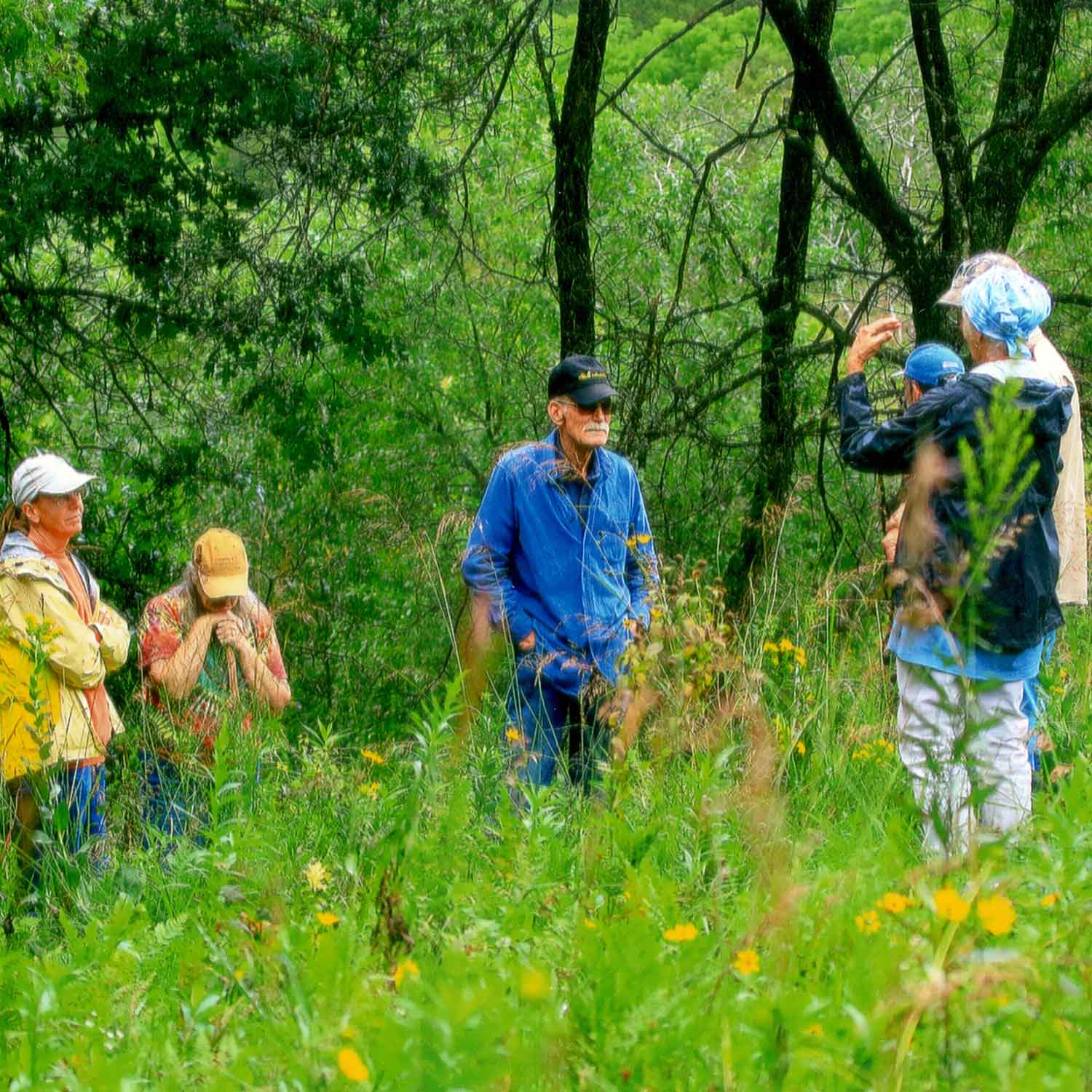
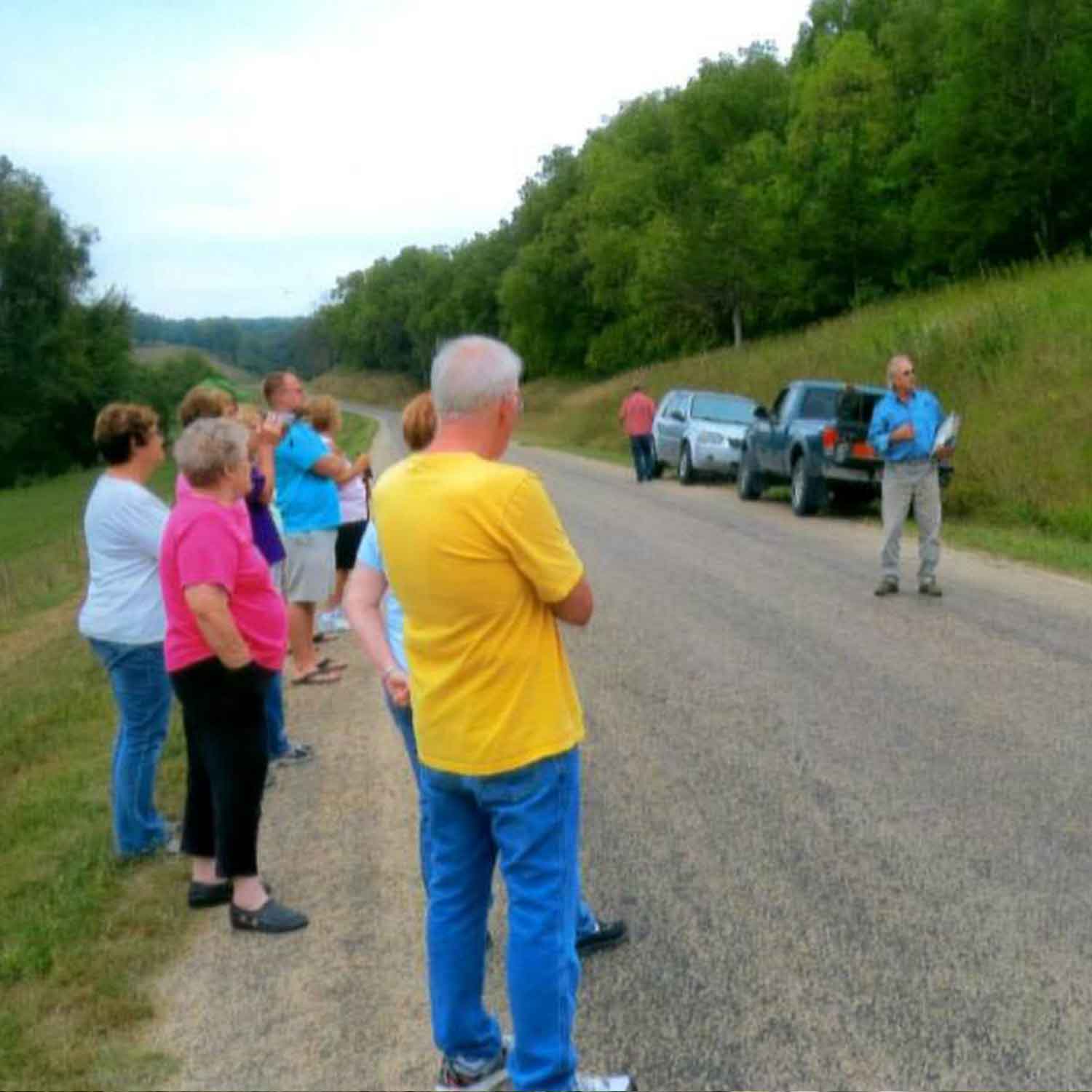
                  Prairie Enthusiasts pause on a prairie field trip at Iris Drive. Photo by unknown photographer.

                  How You Can Help Iris Drive

                  Since acquiring the property, volunteers have been clearing brush, treating re-sprouts, and conducting prescribed burns.

                  Management efforts by the Southwest Wisconsin Chapter are spearheaded by Gary Eldred and Site Steward Bob Retko. A group of volunteers meet 2-4 times per month to manage the property. Since the site was discovered, the eastern remnant was the first area to be cleared of encroaching trees and brush. Follow-up mowing and herbicide application of re-sprouts have significantly begun to diminish the brush, and with regular prescribed burns, the remnant is beginning to respond.

                  Check out our Events Calendar to see upcoming work parties or contact the site steward to get involved.

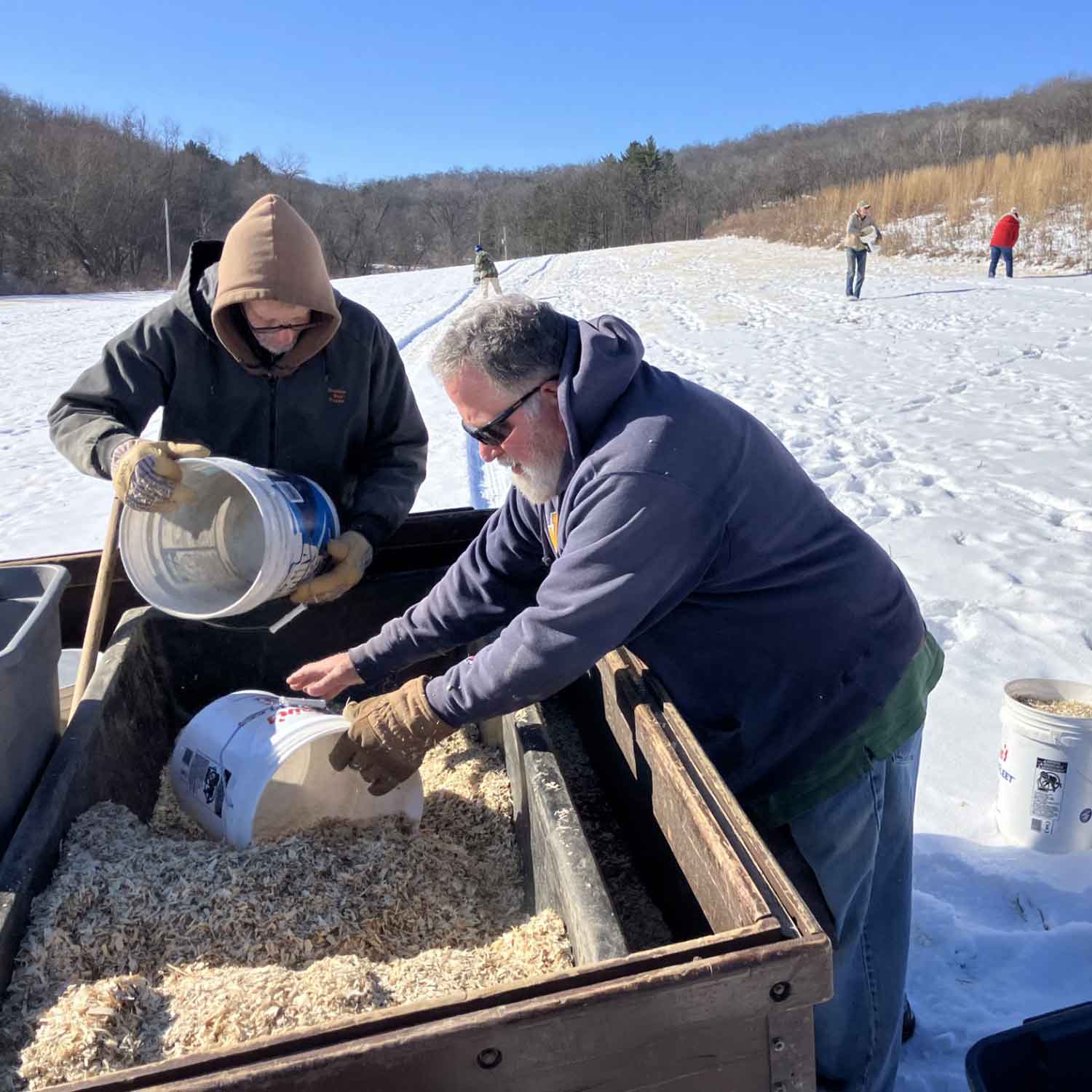
                  Southwest Wisconsin Chapter volunteers spread seed at Iris Drive at a work party. Photo by Kay Wienke.

                  Feist Prairie

                  Feist Prairie

                  Feist Prairie

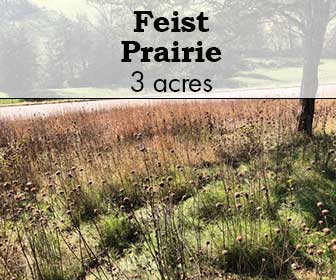
                  This property is a 3 acre site with 1 acre of remnant prairie. Although small, it contains a large number of species on land that was never cultivated, pastured, or sprayed.


                  View of Feist Prairie. Photo by Gary Eldred.

                  Feist Prairie

                  View of Feist Prairie. Photo by Gary Eldred. 

                  This property is a 3 acre site with 1 acre of remnant prairie. Although small, it contains a large number of species on land that was never cultivated, pastured, or sprayed.

                  Access & Directions

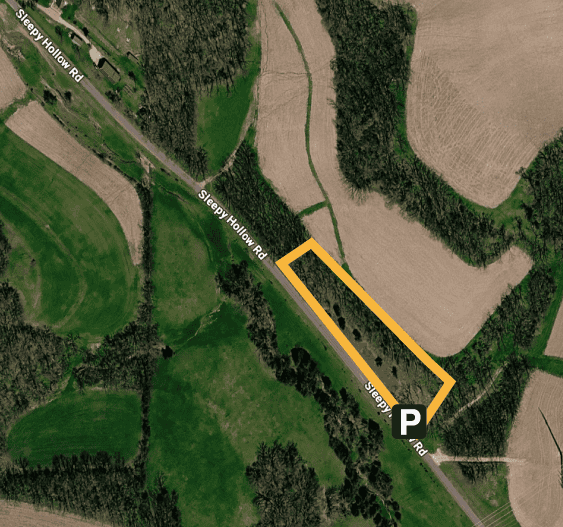
                  From Stitzer, head east on County Rd E. Turn right (south) on Ridge Road, then left (east) on Sleepy Hollow Rd. The prairie is approximately .6 miles on the left.

                  Google Map

                  Site Steward

                  Connect with the site steward to see how you can care for this rare habitat at an upcoming work party.

                  This site is stewarded by The Prairie Enthusiasts Southwest Wisconsin Chapter.

                  Site Steward: Becky Fernette: (608) 379-0781 or (Email)

                  Upcoming Events Here

                  No event found!

                  How to Enjoy This Site

                  Allowed:

                  • Outdoor Recreation
                  • Hunting (for all species, no permit or reservation required)

                  How to Enjoy This Site

                  Allowed:

                  • Outdoor Recreation
                  • Hunting (for all species, no permit or reservation required)


                      Among the wildflowers. Photo by Gary Eldred.

                      What Makes Feist Prairie Special

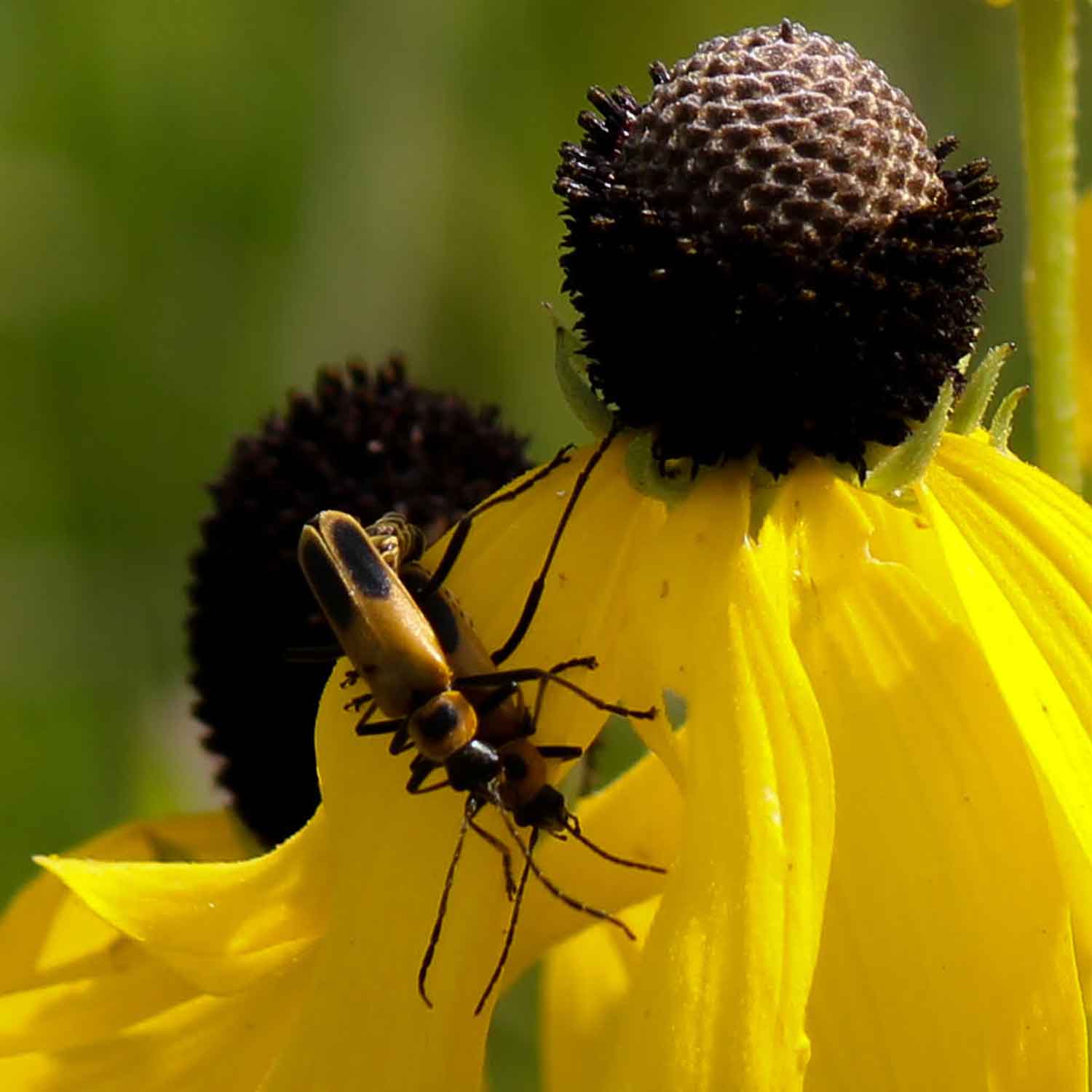
                      Rare insects have been observed on this site: Goldenrod soldier beetle (Chauliognathus pensylvanicus) and Robber fly (Promachus vertebratus).

                      Goldenrod soldier beetle on yellow coneflower. Photo by Harry Peterson.

                      How was Feist Prairie Protected

                      Gerald and Patricia Feist, who owned this parcel as part of their larger farm operation, sold this site to the Southwest Chapter after many years of leasing the land. The farm had been in the Feist family since 1875; this site is a wonderful example of a pre-European settlement prairie/savanna community. 

                      This site was purchased by The Prairie Enthusiasts in 2013.

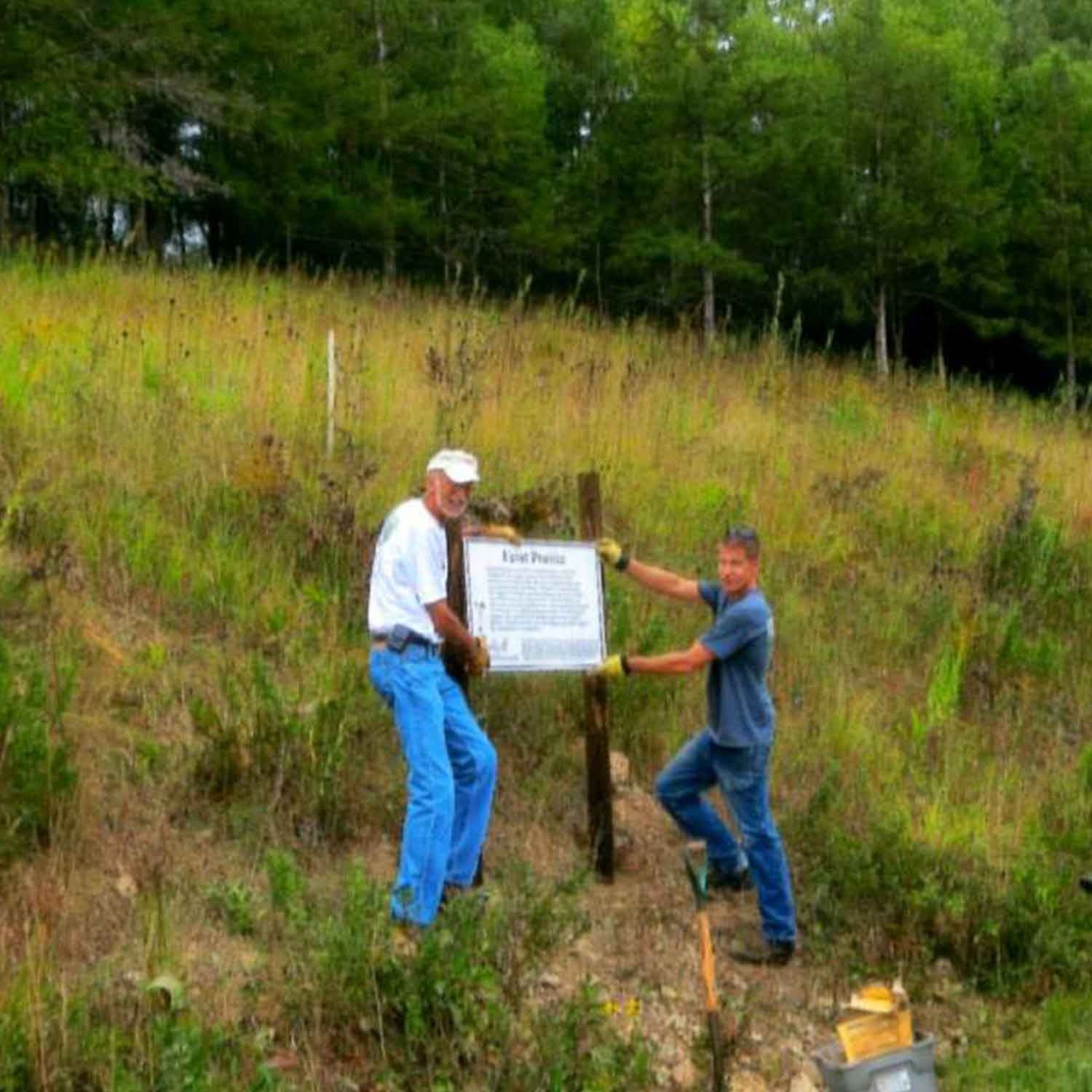
                      Mounting the sign at Feist Prairie. Photo by unknown photographer.

                      How You Can Help Feist Prairie

                      Current efforts include removing woody invasives and trees to expand the range of the original remnant. 

                      Check out our Events Calendar to see upcoming work parties or contact the site steward to get involved.

                      Folks gather to hear the Feist Prairie dedication. Photo by unknown photographer.