Dave and Joann Wilken Prairie

Dave and Joann Wilken Prairie

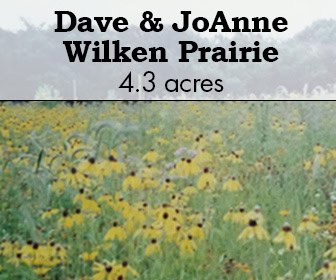
Dave and JoAnne Wilken Prairie

4.3 acres of  prairie saved from plowing. 


Photo by RS Baller

Dave and JoAnne Wilken Prairie

A prescribed burn conducted at Alexander Oak Savanna. Photo by Prescott Bergh. 

4.3 acres of prairie saved from plowing.

Access & Directions

10747 Moyer Road, Blue Mounds WI 53517. From STH 18-151, exit on Cave of the Mounds Road in Blue Mounds. Turn right onto CTH ID and then left to stay on Cave of the Mounds Road. In 0.7 miles, turn right on CTH F and travel for 2.7 miles to Moyer Road. Turn left for 0.3 miles and then left at 10747 Moyer Road.


Google Map

Site Steward

Connect with the site steward to see how you can care for this rare habitat at an upcoming work party.

This site is stewarded by The Prairie Enthusiasts Empire-Sauk Chapter.

Site Steward: Rob Schubert (Email)

How to Enjoy This Site

Allowed:

  • Outdoor Recreation (Hiking, Birdwatching)

Not Allowed:

  • Collecting Plants, Seeds, Rocks or Animals without permission from The Prairie Enthusiasts


How to Enjoy This Site

Allowed:

  • Outdoor Recreation (Hiking, Birdwatching)

Not Allowed:

  • Collecting Plants, Seeds, Rocks or Animals without permission from The Prairie Enthusiasts


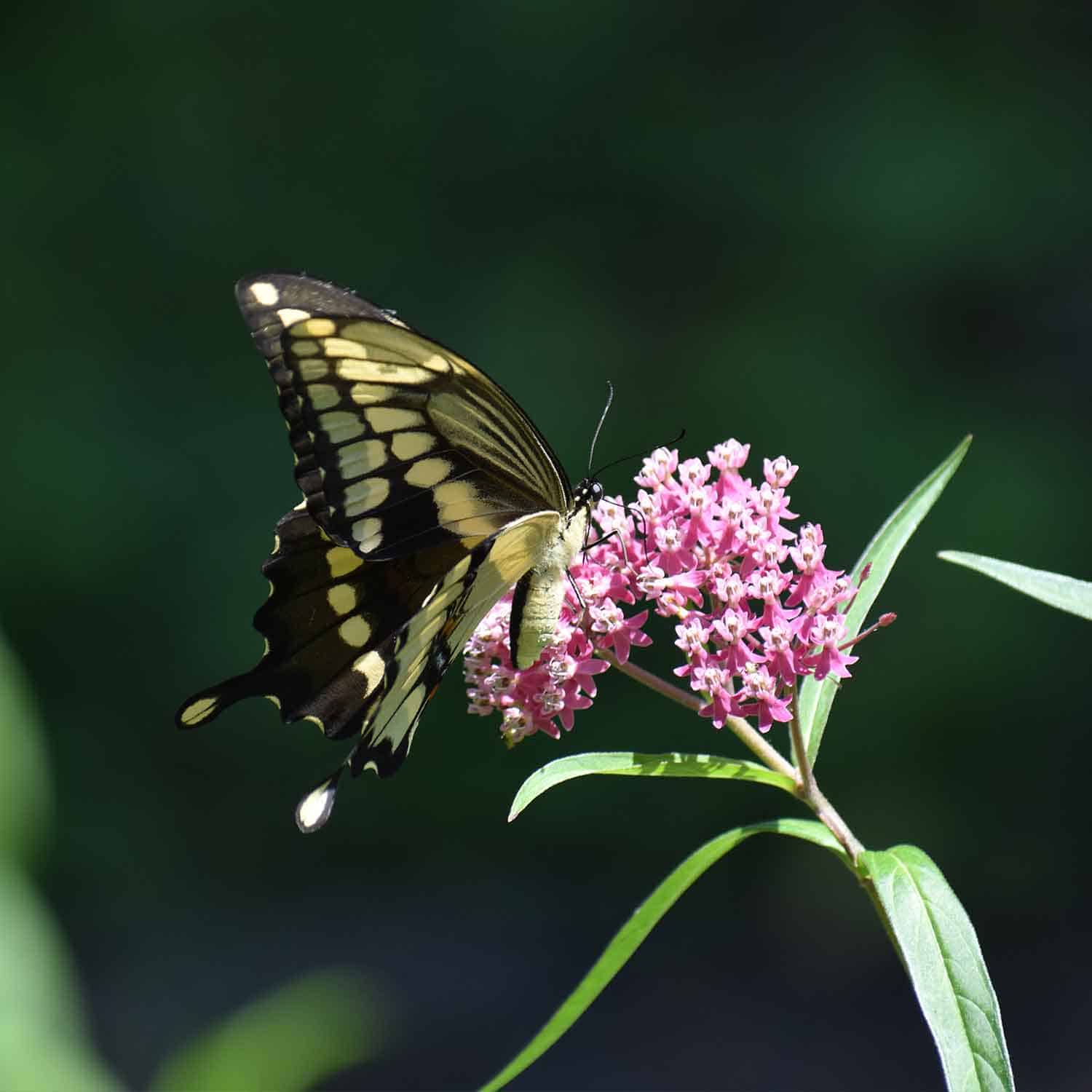
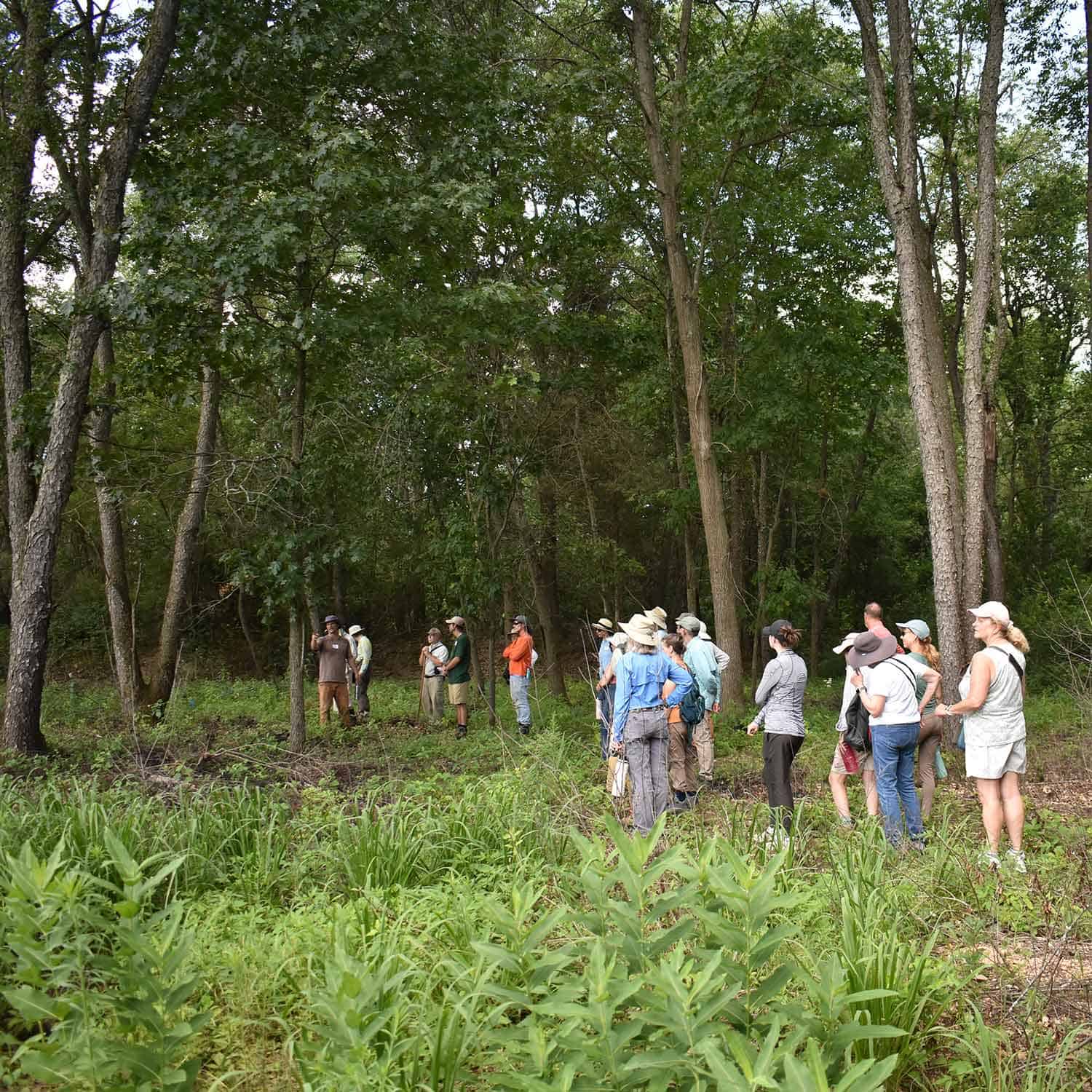
Butterfly field trip at Alexander Oak Savanna. Unknown Photographer. 

What Makes This Prairie Special

Protection of this prairie adds to the landscape of protected habitat in the region. This prairie is adjacent to the already protected Parrish Oak Savanna, which is connected to Pleasure Valley Conservancy. 

This tract of land is nearby additional easements, county parks and state parks, creating a large mosiac of habitat.

Photo by RS Baller

How was This Prairie Protected

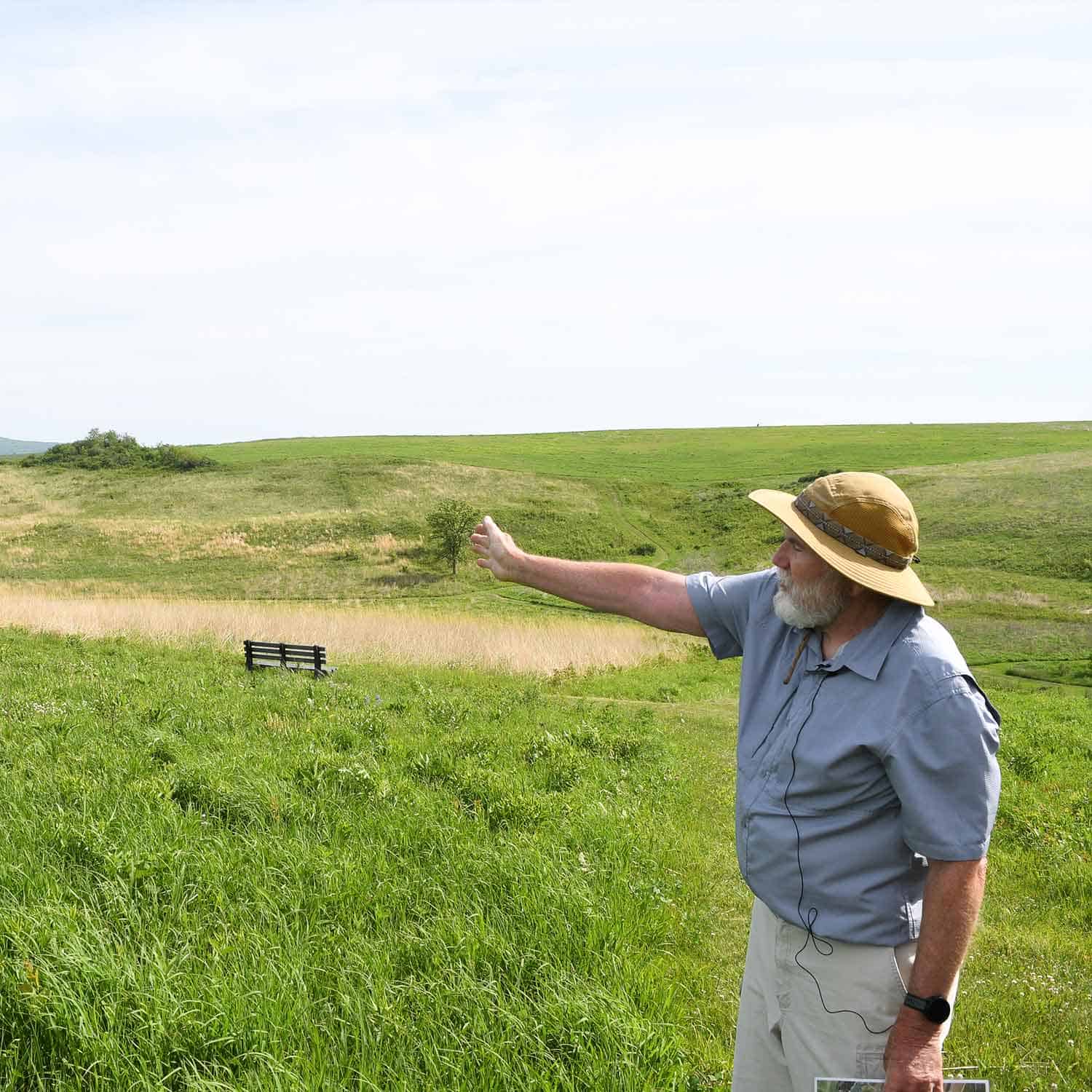
Dave Wilken always enjoyed his prairie and the land bordering his property, which eventually became Parish Oak Savanna (protected by The Prairie Enthusiasts).

When it came time to sell his country home, he contacted Empire-Sauk Chapter Volunteer, Rich Henderson. Dave was interested in The Prairie Enthusiasts protecting his land, so that his established prairie would not be plowed up and turned into corn or soybeans.

Dave fondly recalls Empire-Sauk Chapter Volunteer, Pat Trochlell walking his property with him to evaluate the quality of the prairie. It passed the test and David’s property was soon protected by The Prairie Enthusiasts.

Dave Wilken at the prairie. Photo by unknown photographer.

How You Can Help This Prairie

This habitat is being managed alongside Parrish Oak Savanna.

Check out our Events Calendar to see upcoming work parties or contact the site steward to get involved.

Mukwonago River Oak Barrens

Mukwonago River Oak Barrens

Mukwonago River Oak Barrens

You can now visit one of Southeast Wisconsin’s rarest kinds of habitats just outside of Milwaukee. Mukwonago River Oak Barrens, a 61-acre property protected by The Prairie Enthusiasts in June of 2025, features sand barren habitat, an incredible diversity of plant and animal life, and access to the pristine Mukwonago River. 

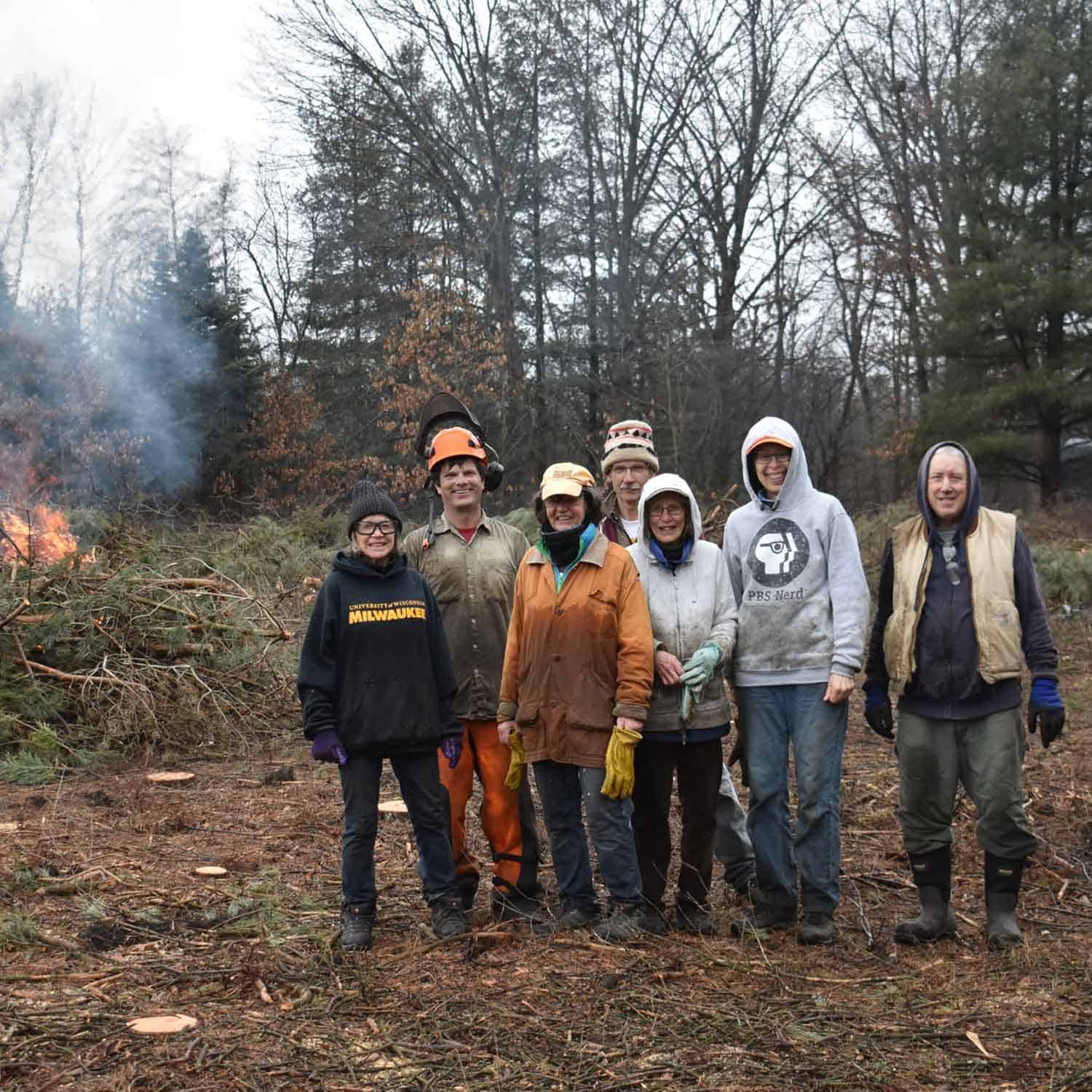
Volunteers enjoying the Mukwonago River that runs through the protected property. Photo by Jessica Bizub. 

SITE STEWARD

Dan Carter

EMAIL

ACCESS & DIRECTIONS

Google Map

Description & Significance

Located in Waukesha County, WI, Mukwonago River Oak Barrens supports recovering oak barrens—a rare ecosystem in Southeast Wisconsin. Gradients of moisture and soil chemistry support 299 native vascular plant species and counting among sedge meadow, moist savanna, and oak barrens habitats. The Barrens also supports several rare plants and animals. The Mukwonago River, designated as an exceptional water resource, meanders through the southern part of the property and supports diverse communities of fish and aquatic invertebrates.

Pamela Meyer has been caring for the property for decades, working with her neighbors to support the health of the watershed and improve the quality of the habitat on the site. Knowing that the land was special, she has been bringing botanists, biologists, and ecologists to the property over the years so that she can understand the habitat better. 

One of those experts was The Prairie Enthusiasts Ecologist, Dan Carter. When the two walked the property together four years ago, Dan immediately saw what Pamela did—an ecosystem exceedingly rare in the region. 

“This piece of habitat has survived where so much has been lost to invasive brush and development—there’s almost nothing else like this in Southeastern Wisconsin,” Dan says. 

The Glacial Prairie Chapter began working to restore the site in 2023 with the support and active participation from the previous owner, Pamela Meyer. By the time The Prairie Enthusiasts closed on the property in 2025, volunteers had opened up 11 acres of barrens and moist savanna habitat. The Chapter will continue to expand and connect open areas, expanding the area of open savanna habitat adjacent to the Mukwonago River’s wetlands. This process will involve removal of invasive brush and large numbers of planted conifers, prescribed burning, and reintroduction of species that may have been present in the past. Work party activities are held on a near-weekly basis. There are also opportunities to volunteer beyond work parties.

The Mukwonago River Oak Barrens is open to the public for hiking, nature observation, and hunting. Permits are required for all gun and muzzleloader deer seasons (submit this online form).

No bikes or motorized vehicles are allowed, nor is the removal of plants, animals, fungi, soils or any other natural material.

Be aware that a snowmobile route is allowed across the northern edge of the property, if visiting in winter when there is snow on the ground. 

This acquisition was made possible through a bequest by Tom Ganfield, Wisconsin’s Knowles-Nelson Stewardship Program, and many Members of The Prairie Enthusiasts.

Newark Road Prairie

Newark Road Prairie

Newark Road Prairie

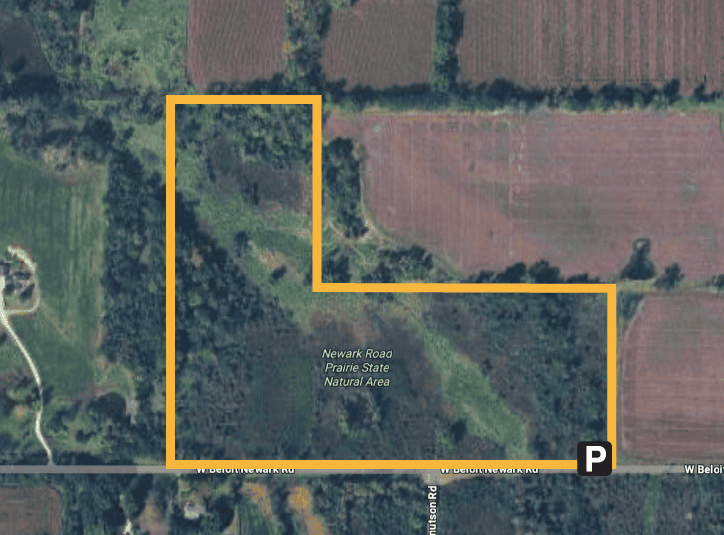
Since the early 1980s, Beloit College has been caring for Newark Road Prairie which consists of nearly 33 acres of high-quality wetland, prairie and oak savanna. To maintain its rich diversity, the land requires active stewardship consisting of frequent prescribed fires and invasive brush removal. For decades, Beloit College has had passionate volunteers, contractors and staff like Professor Richard Newsome stewarding the land. Recently, The Prairie Enthusiasts approached the college to collaborate on habitat stewardship. That relationship resulted in Beloit College generously donating the property to The Prairie Enthusiasts on March 21, 2024. The Prairie Enthusiasts will continue the site’s long legacy of stewardship, ensuring that the prairie will be a haven for wildlife for generations to come. “Newark Road Prairie is one of the most ecologically diverse areas that we are now stewarding,” says Debra Behrens, Executive Director of The Prairie Enthusiasts. “We’re grateful for the decades of care that many organizations have provided and look forward to continuing that land legacy.” 

SITE STEWARDS

PRAIRIE BLUFF CHAPTER

EMAIL

ACCESS & DIRECTIONS

Section Land 13-1-11, Newark Rd., 53511

Description & Significance

The property, which was originally protected in the 1970s by The Wisconsin Chapter of The Nature Conservancy, has been managed by college students and volunteers, Rock County Conservationists and The Prairie Enthusiasts. It is home to an incredible array of plants, insects and animals. Crayfish burrows create small mounds throughout the wetland, and rare plants draw in students and researchers. The diversity of wildlife there is so abundant that the Wisconsin DNR named it a State Natural Area in 1974. 

The property has also served as a place of ecological and geological education for Beloit College students who have examined the behavior of red-winged blackbirds, monitored streams and completed floristic surveys. Yaffa Grossman, Professor of Biology with Beloit College stated, “Newark Road Prairie’s rich floristic diversity provides a glimpse of southern Wisconsin’s rich prairie heritage. Beloit College students, faculty, and staff, the Rock County Conservationists and others have engaged in many field trips, research studies and prescribed burns at Newark Road Prairie during the past 40+ years. As The Prairie Enthusiasts assume the stewardship of this site, I expect that these activities will continue and grow.” Newark Road Prairie will continue to be a place of education for the college as well as be open to the public.

Usage Policy

Allowed:


Not Allowed:

Mounds View Grassland

Mounds View Grassland

Mounds View Grassland

Mounds View Grassland is a 830-acre preserve of The Prairie Enthusiasts. Our long-term goal for the site is to restore, as much as feasible, its original prairie, along with some limited oak savanna, and the associated wetlands and cold-water streams. The site was protected for its remnants of original prairie and the many rare and declining grassland plants, insects, amphibians, reptiles, and birds that inhabit the site. The preserve and surrounding open landscape provide excellent, critical habitat for rare and declining grassland birds. In addition, the preserve has cold-water streams, springs, seeps, and wetlands that add much to its biological diversity. There is also some oak savanna inhabited by red-headed woodpeckers and other birds, animals, and plants that require such habitat

SITE STEWARDS

RICH HENDERSON

608-845-7065

EMAIL


ACCESS & DIRECTIONS

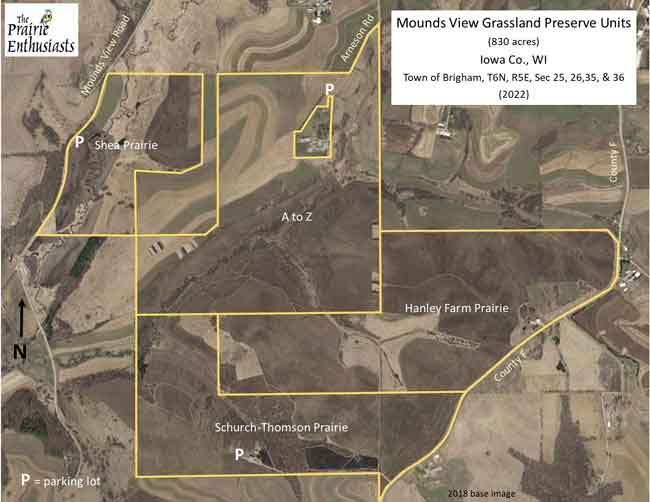
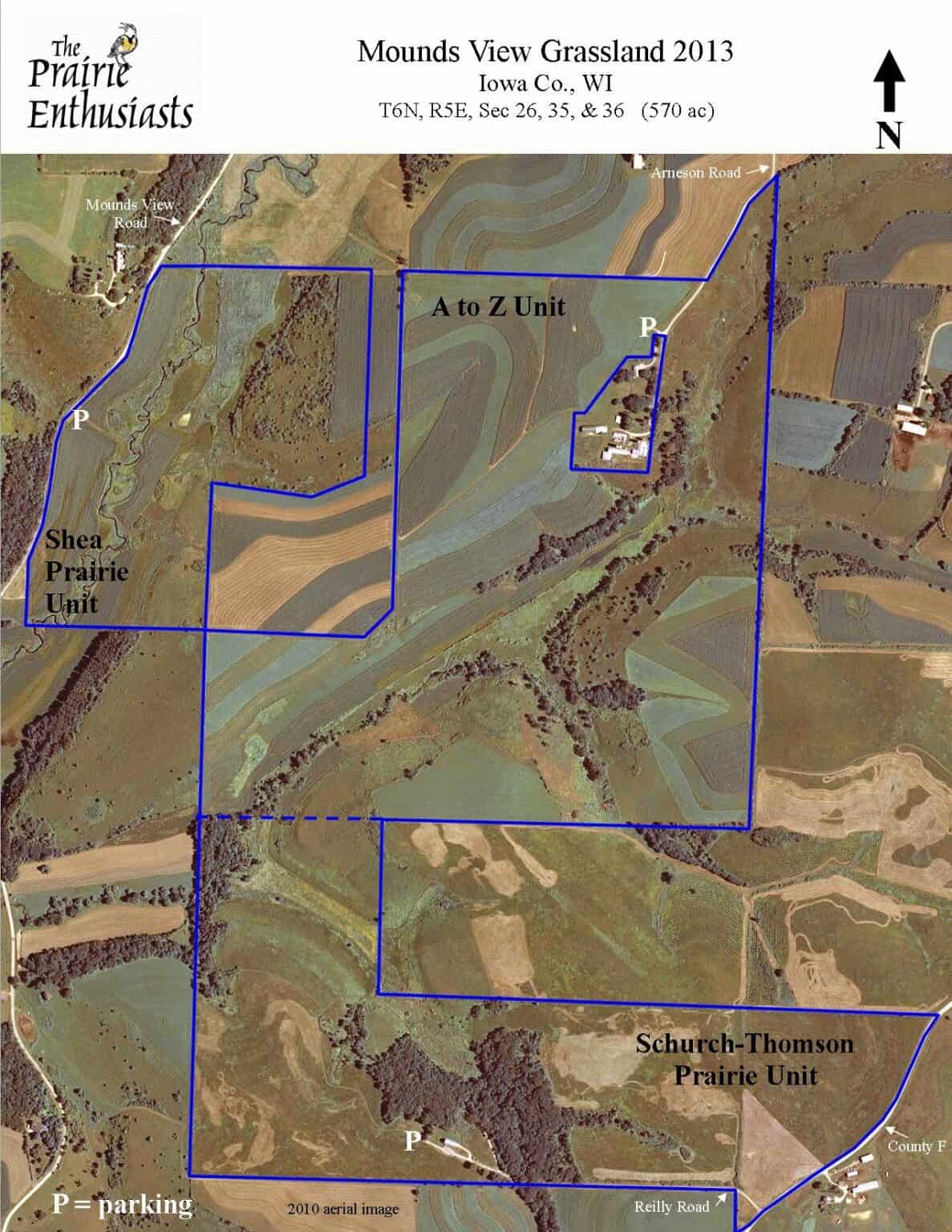
The Mounds View Grassland preserve is located south of US Highway 18/151 between Barneveld and Blue Mounds, Wisconsin. The properties are situated between County Highway F and Mounds View Rd. See site-specific pages for access points. Addresses are:

Schurch-Thomson Pr (8624 Reilly Rd, Barneveld)

Shea Pr (3095 Mounds View Road, Barneveld)

A to Z Farm (3200 Arneson Road, Barneveld)

Description & Significance

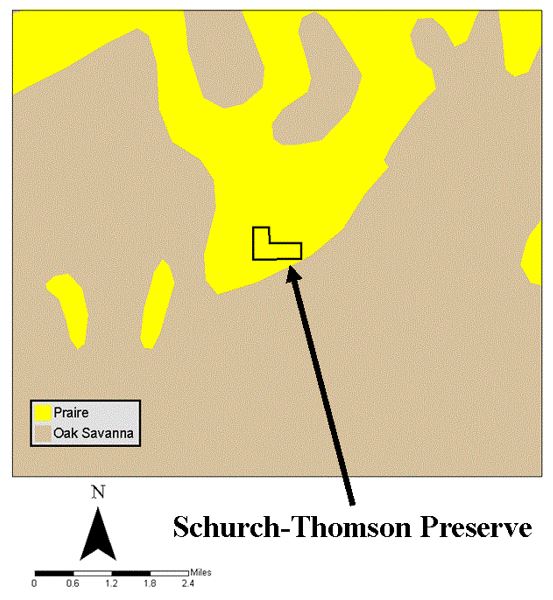
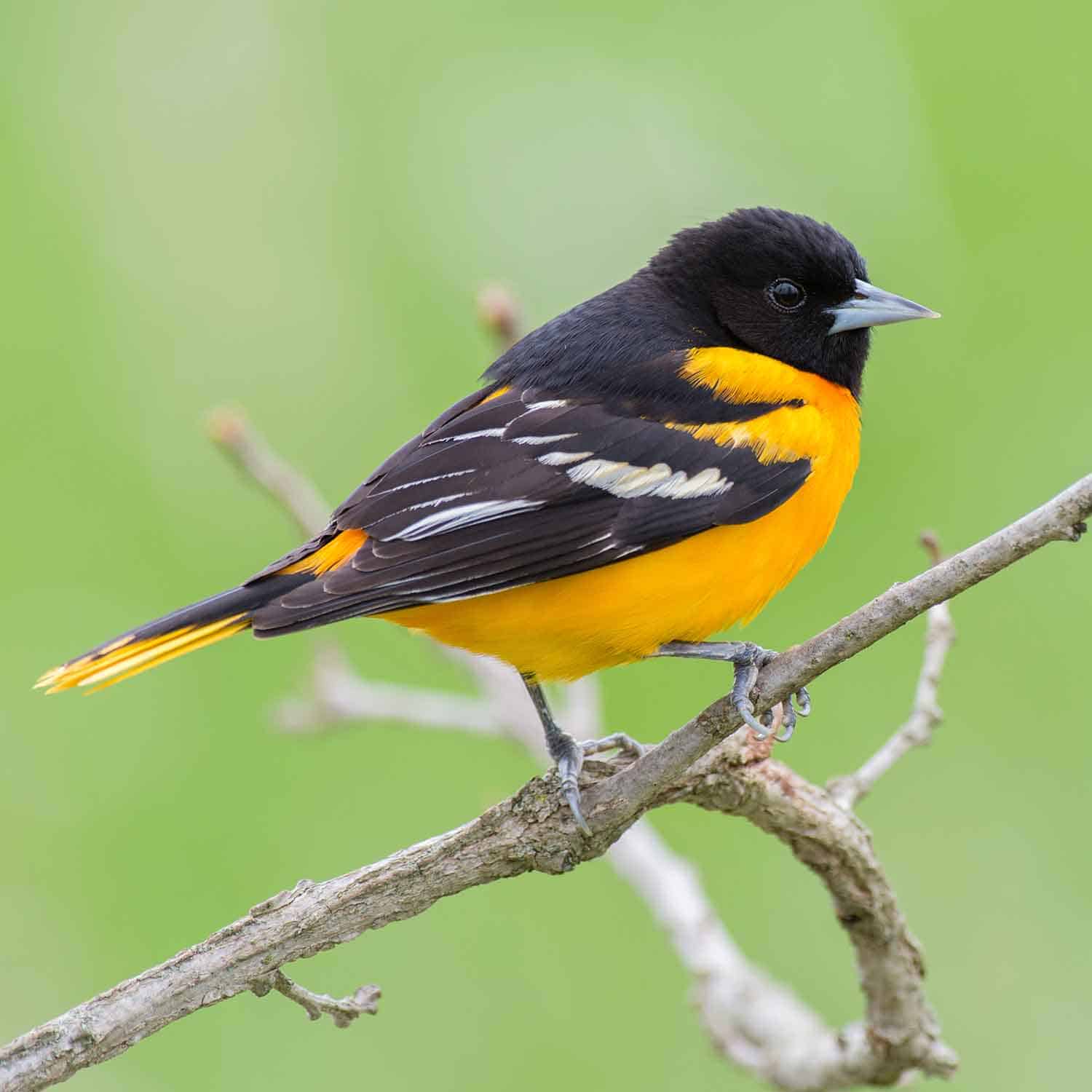
The preserve is significant for its remnant prairie vegetation and associated rare insects, and as wildlife habitat at both local and state levels, such as the Wisconsin-endangered/Federal Special Concern Species regal fritillary butterfly (Speyeria idalia) as well as many declining grassland bird species including bobolink, dickcissel, upland sandpiper, and Bell’s vireo.   In fact, it may play a critical role in prairie ecosystem conservation in Wisconsin, for it lies within the 95,000+ acre Military Ridge Prairie Heritage Area (MRPHA). The MRPHA has been identified as the highest priority for landscape-scale grassland protection and management in Wisconsin by the Wisconsin Department of Natural Resources and represents one of the best opportunities in the Midwest to protect prairie remnants and area sensitive species.  The agricultural history of the area has helped keep the landscape much as it was when the first settlers saw it (Figure 1) and has made it possible for plants and animals like grassland birds, which have disappeared in more developed parts of the Midwest, to survive.  The Mounds View Prairie complex is one of the three most significant concentrations of prairie sod and grassland bird habitat within the MRPHA.

In addition to grassland plants, insect and birds, the site is home to many amphibian, reptilian and mammalian prairie species, including our state animal – the badger!  Along with prairie and oak savanna habitats, the preserve has cold-water streams, springs, seeps, and wetlands that add much to its biological diversity.

The Prairie Enthusiast’s long-term goal for the Mounds View Grassland is to restore, as much as feasible, its original prairie, along with some limited oak savanna.  It is also TPE’s intent to expand the preserve should opportunities arise.

The current cover on the 830-acre preserve is:

  • 33% – Planted Prairie
  • 26% – Non-Native Cool-Season Grass
  • 13% – Active Cropland
  • 10% – Remnant Prairie (not grazed)
  • 8% – Woodland & Brush
  • 5% – Wetland & Streams
  • 3% – Savanna Restorations
  • 3% – Pastured Remnant-Prairie Sod

Natural History

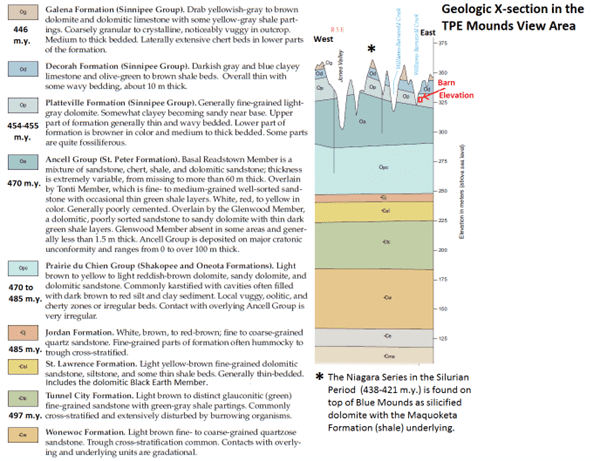
Mounds View lies near the eastern edge of Wisconsin’s driftless, or unglaciated, region.  Its bedrock geology was formed 450-470 million years ago during the middle Ordovician period of the Paleozoic era. The Galena, Decorah and Platteville Formations remaining as dolomitic ridges rising 1150 feet above sea level surround the site, providing breathtaking panoramic views.  The gently rolling hilltops of dolomite slope down to shallow valleys with the side slopes covered in St. Peter’s sandstone (Figure 2). The excavations of recently constructed badger dens can be observed in the easily excavated sandy soils.   The St. Peter Sandstone is underlain by dolomitic rocks of the Prairie du Chien Group (Figure 3), which are not observable at Mounds View.

The Galena and Platteville Ordovician formations contain more fossils than any other geologic strata in Wisconsin.  While stromatolites and oolites are lacking, the environment at the time was very hospitable to a broad range of bottom-dwelling, shell-forming animals such as brachiopods, bryozoans, corals, clams, and crinoids.

Plant List

Over 400 plant species can be found on Mounds View, nine of special concern, state or federally threatened, or endangered. Click HERE to see comprehensive plant inventory.

Usage Policy

Allowed:

  • Outdoor Recreation
  • Hunting: Ring-Necked Pheasant (all seasons; no permit required)
  • Hunting: Wild Turkey (all seasons; no permit required)
  • Hunting: Waterfowl (all seasons; no permit required)
  • Hunting: White Tailed Deer (bow, crossbow, muzzleloader; no permit required)
  • Hunting: White Tailed Deer (Rifle, Shotgun; permit required)

Not Allowed:

Management

Some restoration work was begun in 2000, but most work has been done since 2007, after permanent protection began. In addition to planting prairie vegetation, approximately 59 acres have been cleared of dense trees and brush that had invaded the site over the previous 60 years. More clearing still needs to be done, along with additional weed control and planting of prairie seed. Restoration of the cold-water streams and wetlands began in 2012, with more worked planned.


There is still much to do, and it will take many decades to even begin to approach what the original ecosystems were like, but we are off to a very good start. It is also TPE’s intent to expand the preserve should opportunities arise.


The restoration and management work to date has been done mostly by volunteers and interns and aided by paid TPE land management staff and contractors paid for with grants from the US Fish & Wildlife Service, WI Department of Natural Resources, Wildlife Conservation Society, Paul E. Stry Foundation, Alliant Energy Foundation, and private donations.

Marowski Bluff Prairie

Marowski Bluff Prairie

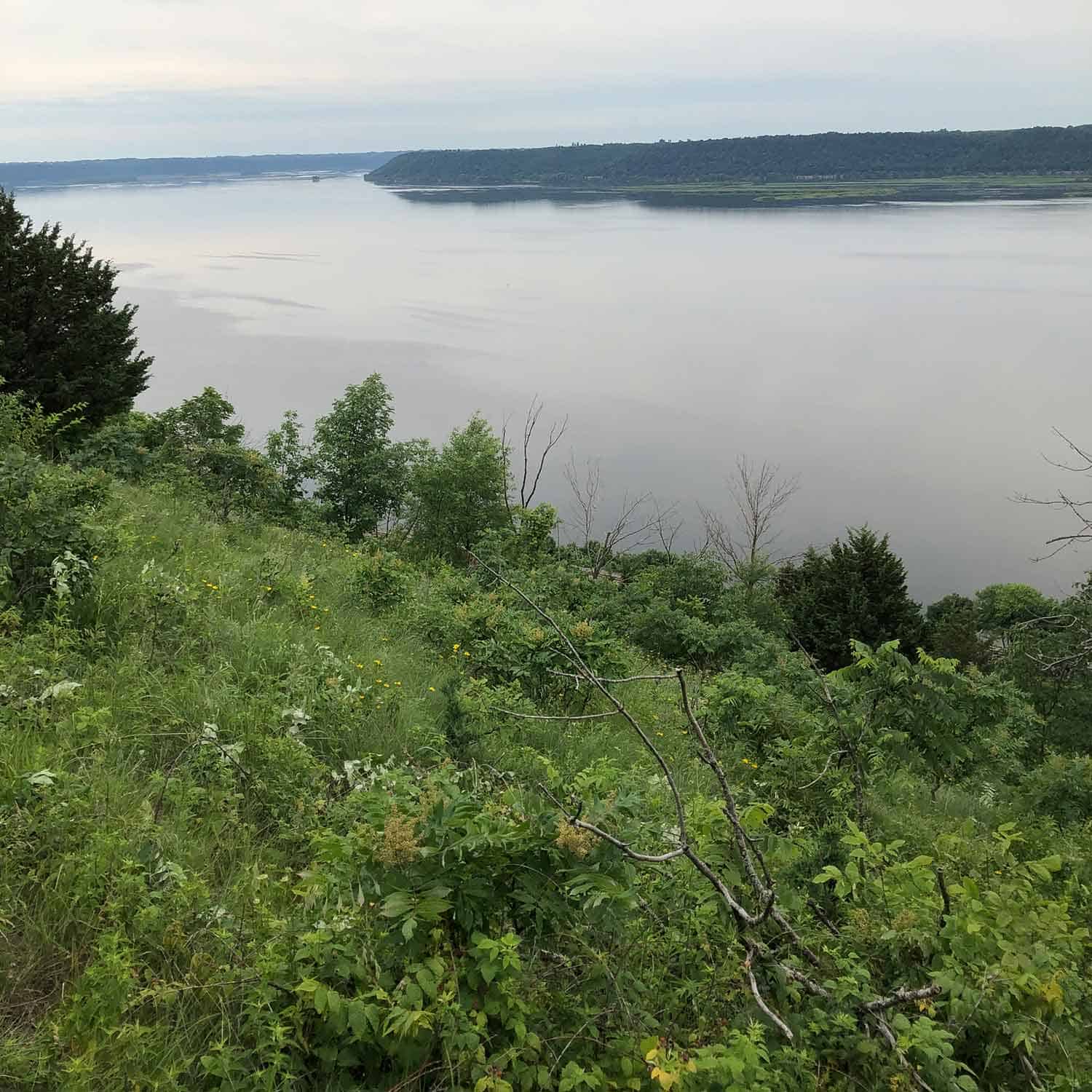
Photo by Jim Rogala

Marowski Bluff Prairie

“I’m very happy to save this unique piece of land as it represents not only disappearing habitat but also the very character and uniqueness of the Driftless Area.” — Dr. Marowski, the generous landowner preserving a prairie for future generations.  

When Dr. Marowski, a cardiologist living near Milwaukee, stood upon a steep bluff above the town of Ferryville, he was in awe of the stunning view. The Mississippi River, blue and majestic stretched below him, and to the north and south, the unique and ancient landscape filled the horizon. At his feet, he took notice of prairie flowers rarely seen any more and quickly understood the conservation value of the property.

SITE STEWARDS

Coulee Region Chapter

ACCESS & DIRECTIONS

61675 Grand Vista Rd, Ferryville, WI

Description & Significance

The Prairie Enthusiasts seek to protect as many prairie remnants as possible, especially when they are part of a larger complex. In the Driftless Area, these complexes are often a series of noncontiguous bluff prairies on south- to west-facing slopes that are sometimes called archipelagos. The Wisconsin DNR has identified Rush Creek State Natural Area as a high-priority protection area, in part because of the extensive bluff prairies found along the Mississippi River. A little further south along the river, the Mississippi Valley Conservancy (MVC), owns and manages Sugar Creek Bluff, another State Natural Area with high-quality bluff prairies. Between these two properties are a series of privately-owned bluff prairies above Ferryville, WI.

Marowski Bluff Prairie contains a high-quality prairie with a full complement of bluff prairie plants such as dwarf blazing star, silky and aromatic aster, hoary puccoon, short green milkweed, leadplant and prairie dropseed. “I’m very happy to save this unique piece of land as it represents not only disappearing habitat but also the very character and uniqueness of the Driftless Area,” Dr. Marowski enthused. “The strategic location of the land between Rush Creek State Natural Area and Sugar Creek Bluff State Natural Area facilitates migration of many species of animals between both areas”. That was evident in our sighting of a black rat snake crossing the road by the site during one of our visits. The site’s position within the large archipelago also provides potential for exchange of plant genetics across the otherwise isolated bluff prairies.

Usage Policies

The prairie is open to the public. Uses allowed must align with the Village of Ferryville. 

Management

In December 2023, Dr. Marowski generously arranged for the protection of his 11-acre property by The Prairie Enthusiasts, ensuring the land will be stewarded and enjoyed for generations to come. Additional support from Mississippi Valley Conservancy, the Natural Resources Foundation of Wisconsin and Wisconsin’s Knowles-Nelson Stewardship Program helped make this protection project possible. Dr. Marowski also gifted The Prairie Enthusiasts with a land management endowment, which will provide resources to steward the habitat far into the future.  

 Stewardship of this prairie already began back in July of 2022. Working with Dr. Marowski, The Prairie Enthusiasts Coulee Region Chapter began restoration work on the bluff prairie. Volunteers removed some areas of sumac, red cedars and other aggressive vegetation from the site. There was already a healthy plant community there, with prairie plants like dwarf blazing-star and leadplant, as well as various birds, insects and reptiles that live on the site. The stewardship work that started and will continue in perpetuity will ensure this rare prairie ecosystem thrives.  

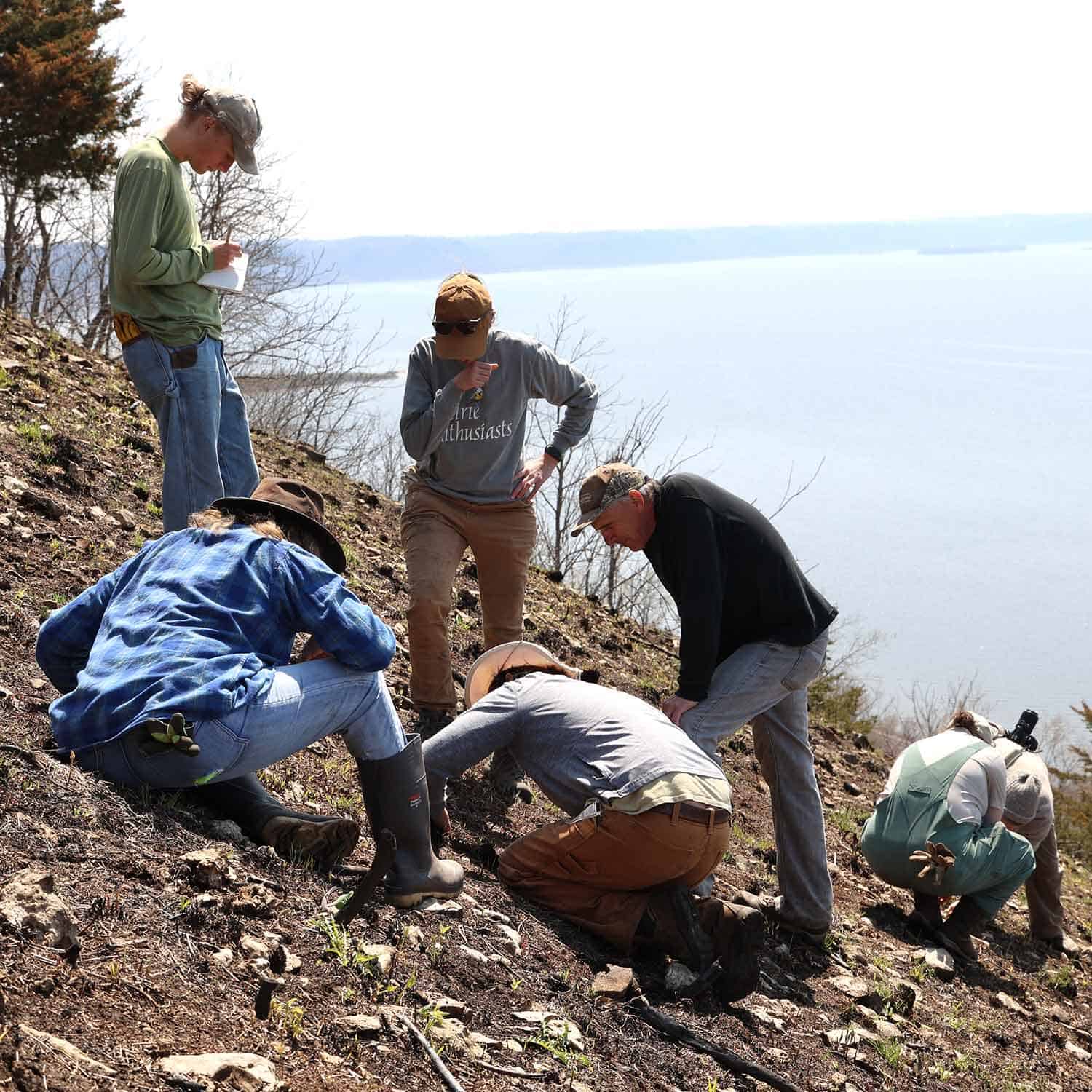
This land, now named Marowski Bluff Prairie, is situated between Rush Creek and Sugar Creek State Natural Areas and contributes to an important protection corridor linking them together. Even though the remnant prairie at the site is in outstanding condition, it will need consistent land stewardship to remove and prevent tree and woody brush encroachment, which can shade out prairie plants. Part of that stewardship will be returning fire to the site using prescribed burns at regular intervals. The Prairie Enthusiasts Coulee Region Chapter invites the public to participate in upcoming work parties no matter what your experience level. Work parties will be scheduled this winter as weather permits. Additional volunteer opportunities and field trips will be available in the future.