Giordano Oak Barrens & Sand Prairie
Giordano Oak Barrens & Sand Prairie
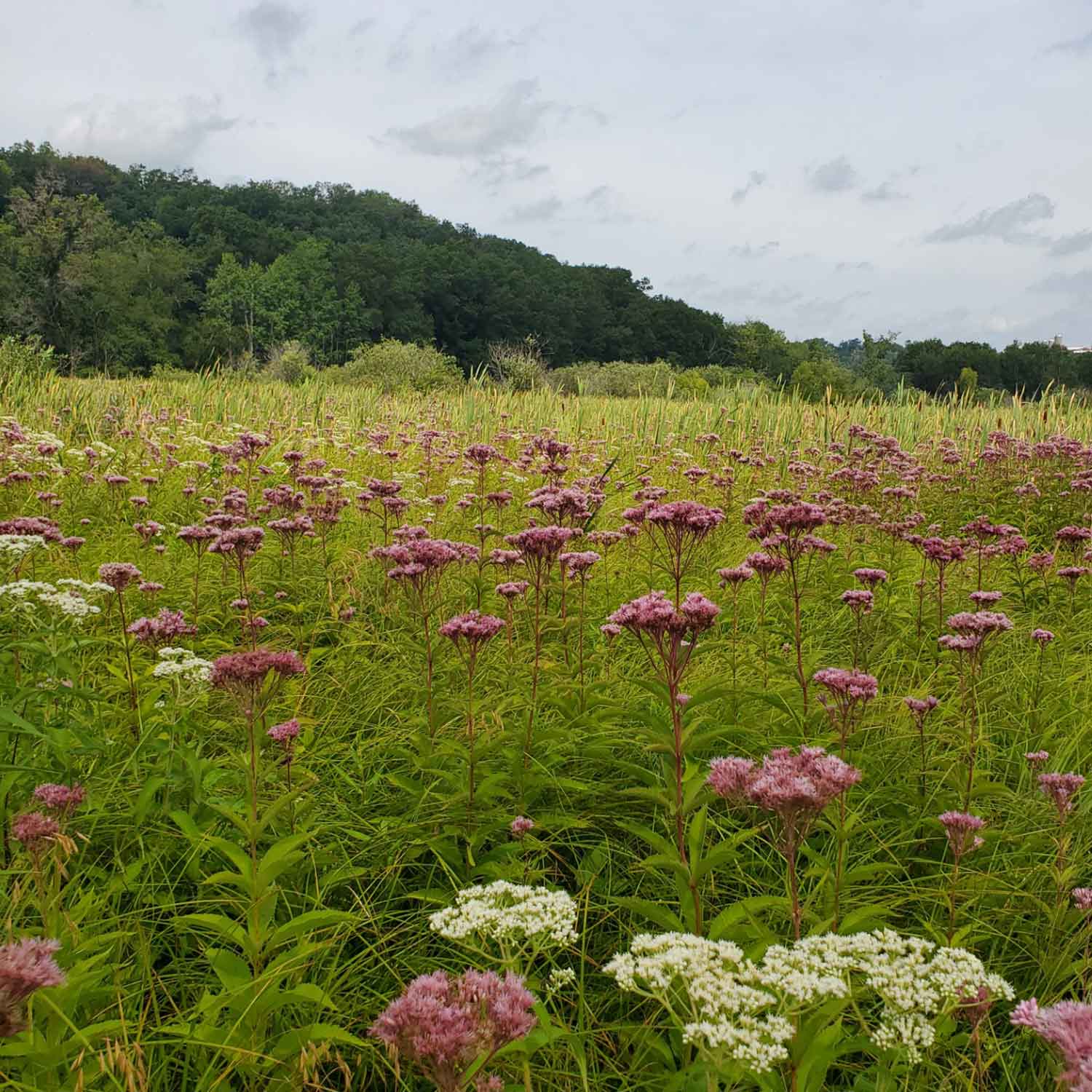
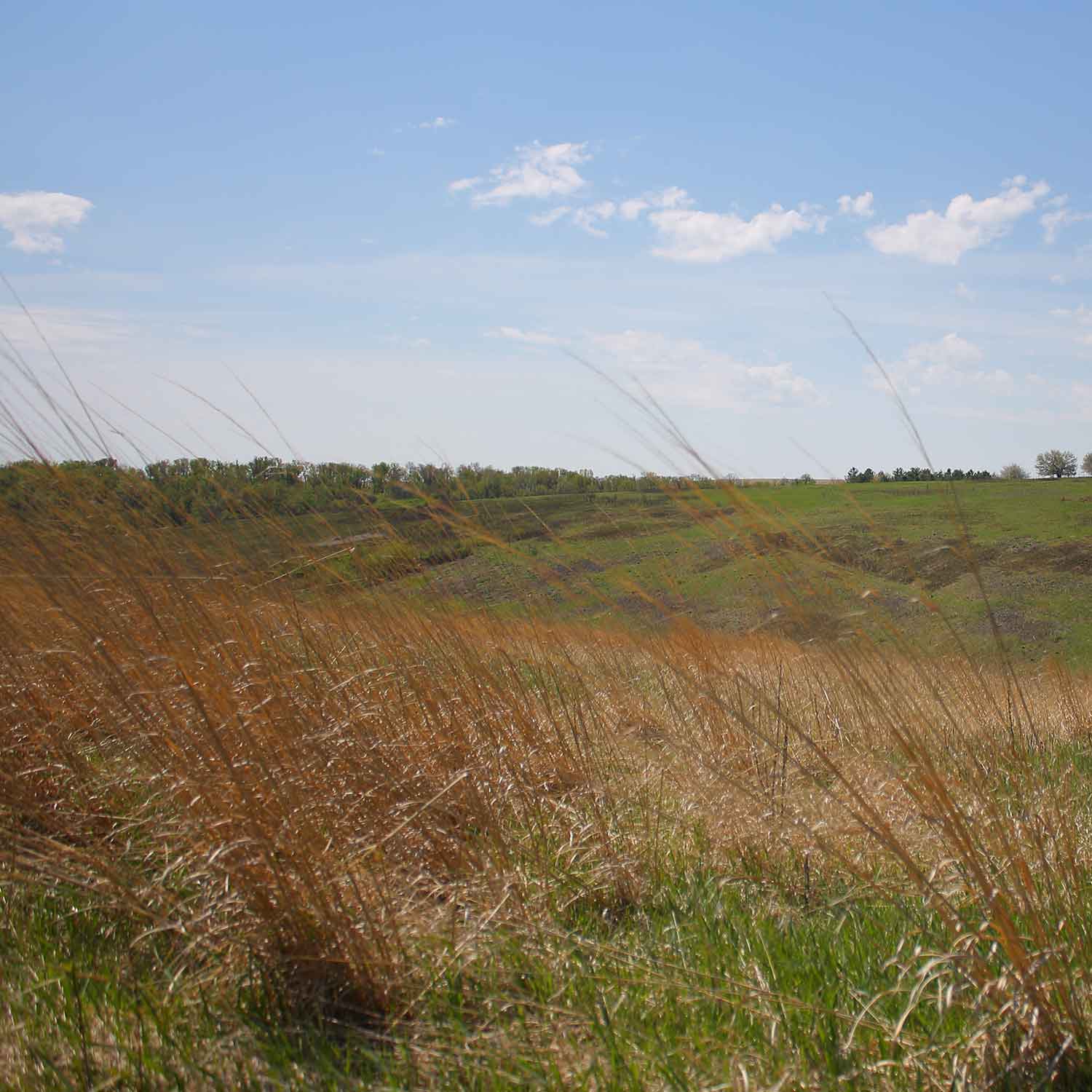
A view of Giordano Oak Barrens and Sand Prairie. Photo by Rob Baller.
Giordano Oak Barrens & Sand Prairie
View of Giordano Oak Barrens and Sand Prairie. Photo by Rob Baller.
This site contains mesic to dry sand prairie as well as black oak savanna, all of which are in recovery. Though recovering, this ecosystems has been able to maintain some of its unique, original biodiversity.
Access & Directions
This site is currently closed to the public.
Site Steward
Connect with the site steward to see how you can care for this rare habitat at an upcoming work party.
This site is stewarded by The Prairie Enthusiasts Empire-Sauk Chapter.
Site Steward: Rob Schubert (Email)
Upcoming Events Here
How to Enjoy This Site
This site is currently closed to the public.
Not Allowed:
- Hiking
- Hunting
- Recreation
How to Enjoy This Site
This site is currently closed to the public.
Not Allowed:
- Hiking
- Hunting
- Recreation
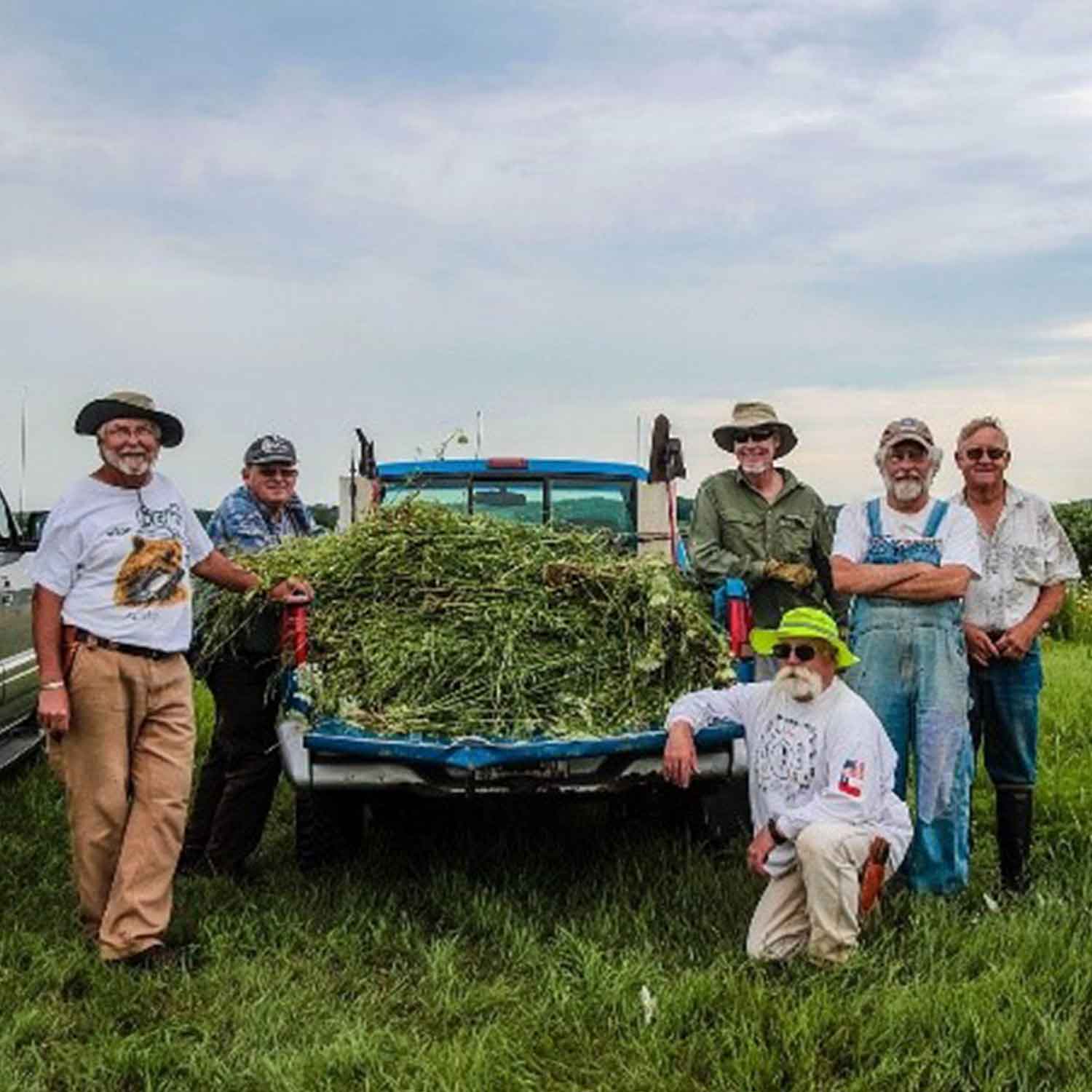
Volunteers removing knapweed from Giordano Oak Barrens and Sand Prairie. Photo by Rob Baller.
What Makes Giordano Oak Barrens & Sand Prairie Special
This unique property has various native ecosystems that are now rare but once were common. Protecting this site provides a critical block of habitat for rare species that require sand prairie. There are also two sand blow areas present with plant species specailized to such a habitat.

After extensive land management efforts at Giordano Oak Barrens and Sand Prairie. Photo by Rob Schubert.
How was Giordano Oak Barrens & Sand Prairie Protected
Ron and Darla Giordano’s conservation legacy is rooted in a profound love for the land. The Giordanos fell in love with a remarkable 40-acre parcel in Columbia County’s Wisconsin River Valley. For five years, Ron called the original owner every month, asking if he would consider selling. When the owner finally agreed, the Giordanos got to work quickly, connecting with the Wisconsin DNR to complete an ecological survey. A site assessment confirmed the property harbored intact native vegetation, significant restoration potential for sand prairie and oak savanna habitat, and even a state-endangered animal species.
The Giordanos made the extraordinary decision to donate their property permanently to The Prairie Enthusiasts in May 2023, ensuring its protection in perpetuity. Groundswell Conservancy led negotiations, made arrangements for the closing, and helped cover closing costs. Recognizing that meaningful restoration requires real investment, the Giordanos went a step further with a generous cash donation to support the site’s initial management. The property is now named Giordano Oak Barrens and Sand Prairie, and sits near an existing 12-acre nature preserve, offering the potential to create a larger ecosystem of sandy habitat.
This is excerpted from the press release from Gathering Waters for Ron and Darla being awarded the Land Legacy Award.

Ron and Darla Giordano at the sign raising for Giordano Oak Barrens and Sand Prairie in April 2026. Photo by Mike Foy.
How You Can Help Giordano Oak Barrens & Sand Prairie
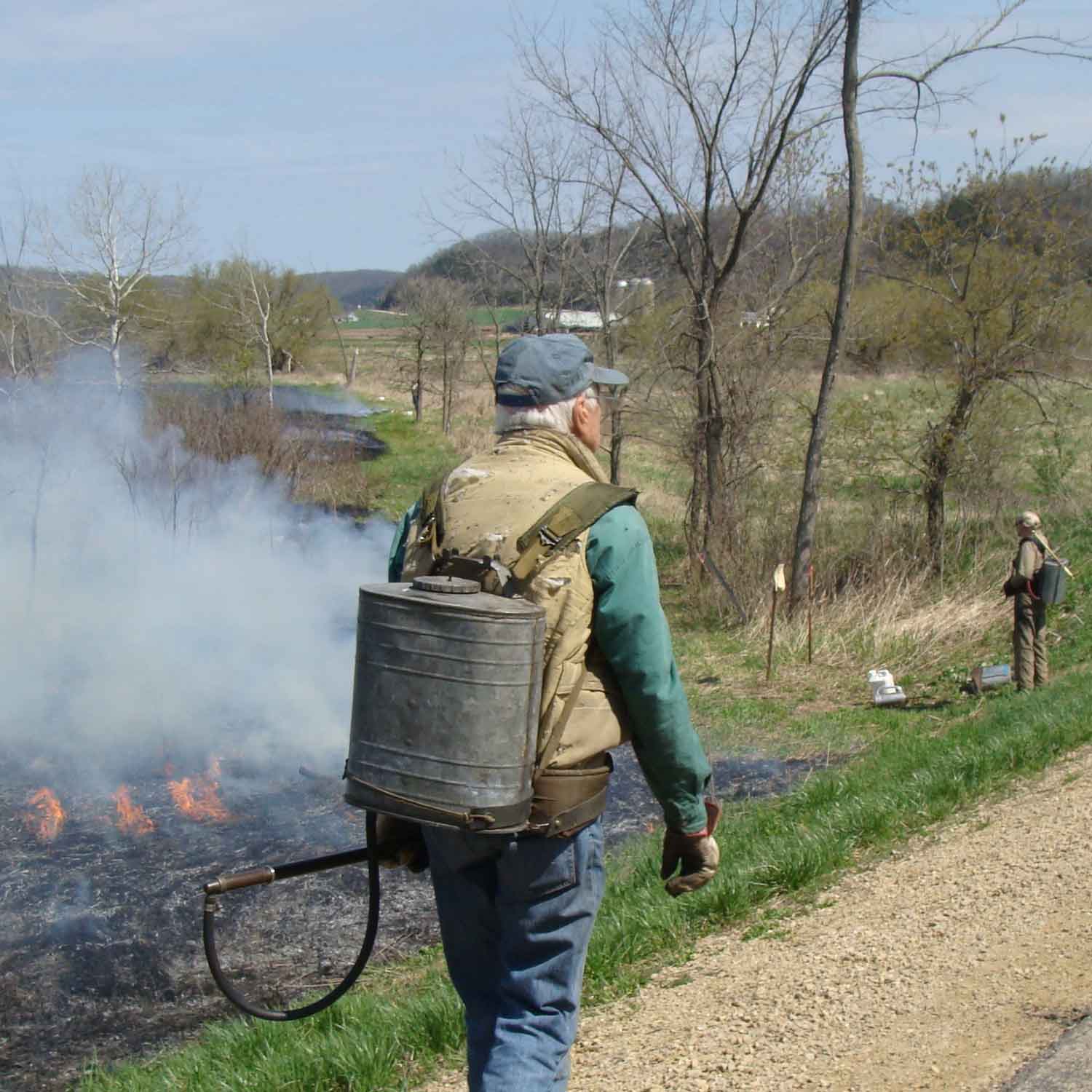
Since management efforts at the 40-acre site in Columbia County began in January 2025, Empire-Sauk Chapter volunteers and staff have been able to affect more than 14.5 acres of intensive tree and brush removal. You can learn more about progress on this site in Rob Schubert’s piece “What a Difference a Year Makes!” featured in the summer 2026 issue of The Prairie Promoter.
Check out our Events Calendar to see upcoming work parties or contact the site steward to get involved.

Empire-Sauk Chapter volunteers burn brush at Giordano Oak Barrens and Sand Prairie. Photo by Rob Baller.