by The Prairie Enthusiasts | Oct 20, 2026
Aspen Removal at Mounds View Grassland
Wednesday, October 21 – 1:00 p.m. to 4:00 p.m.
Location: Mounds View Grassland in Barneveld, WI
Come help treat aspen sprouts in prairie remnants and plantings. Much help is needed in killing the last of the aspen stems to remove the threat of aspen taking over large areas of the preserve. This is critical to improving the habitat for grassland dependent animals, such as birds and regal fritillary butterflies, and keeping the prairie vegetation healthy.
WHAT TO BRING:
Bring gloves and wear appropriate clothing for working outside in brushy conditions with occasional thorns. Loppers and clippers will be provided, but if you have favorite tools, please them bring along.
WORK PARTY LEADER:
For questions and to RSVP, contact Rich Henderson (c) (608) 235-4165 or (tpe.rhenderson@tds.net). If you can help, please contact Rich the evening before the confirm.
DIRECTIONS:
Meet at Schurch-Thomson Prairie (8624 Reilly Road, Barneveld, WI). MAP HERE
From the intersection of US Hwy 18-151 and County F (south of Blue Mounds in western Dane County), take F approximately 5 miles south. Turn right onto Reilly Road, proceed to parking lot and kiosks at the end of the road (past the barn). (Note: A half mile down F from 18-151, pay close attention to the road signs, for F turns to the right & the straight-ahead road becomes County Z. Stay on F.)
by The Prairie Enthusiasts | Oct 20, 2026
Aspen Removal at Mounds View Grassland
Saturday, October 17 – 1:00 p.m. to 4:00 p.m.
Location: Mounds View Grassland in Barneveld, WI
Come help treat aspen sprouts in prairie remnants and plantings. Much help is needed in killing the last of the aspen stems to remove the threat of aspen taking over large areas of the preserve. This is critical to improving the habitat for grassland dependent animals, such as birds and regal fritillary butterflies, and keeping the prairie vegetation healthy.
WHAT TO BRING:
Bring gloves and wear appropriate clothing for working outside in brushy conditions with occasional thorns. Loppers and clippers will be provided, but if you have favorite tools, please them bring along.
WORK PARTY LEADER:
For questions and to RSVP, contact Rich Henderson (c) (608) 235-4165 or (tpe.rhenderson@tds.net). If you can help, please contact Rich the evening before the confirm.
DIRECTIONS:
Meet at Schurch-Thomson Prairie (8624 Reilly Road, Barneveld, WI). MAP HERE
From the intersection of US Hwy 18-151 and County F (south of Blue Mounds in western Dane County), take F approximately 5 miles south. Turn right onto Reilly Road, proceed to parking lot and kiosks at the end of the road (past the barn). (Note: A half mile down F from 18-151, pay close attention to the road signs, for F turns to the right & the straight-ahead road becomes County Z. Stay on F.)
by The Prairie Enthusiasts | Oct 20, 2026
Aspen Removal at Mounds View Grassland
Friday, October 16 – 1:00 p.m. to 4:00 p.m.
Location: Mounds View Grassland in Barneveld, WI
Come help treat aspen sprouts in prairie remnants and plantings. Much help is needed in killing the last of the aspen stems to remove the threat of aspen taking over large areas of the preserve. This is critical to improving the habitat for grassland dependent animals, such as birds and regal fritillary butterflies, and keeping the prairie vegetation healthy.
WHAT TO BRING:
Bring gloves and wear appropriate clothing for working outside in brushy conditions with occasional thorns. Loppers and clippers will be provided, but if you have favorite tools, please them bring along.
WORK PARTY LEADER:
For questions and to RSVP, contact Rich Henderson (c) (608) 235-4165 or (tpe.rhenderson@tds.net). If you can help, please contact Rich the evening before the confirm.
DIRECTIONS:
Meet at Schurch-Thomson Prairie (8624 Reilly Road, Barneveld, WI). MAP HERE
From the intersection of US Hwy 18-151 and County F (south of Blue Mounds in western Dane County), take F approximately 5 miles south. Turn right onto Reilly Road, proceed to parking lot and kiosks at the end of the road (past the barn). (Note: A half mile down F from 18-151, pay close attention to the road signs, for F turns to the right & the straight-ahead road becomes County Z. Stay on F.)
by The Prairie Enthusiasts | Oct 20, 2026
Feist Prairie Work Party
Saturday, October 24 – 10:00 a.m. to 1:00 p.m.
Location: Feist Prairie in Grant County, WI
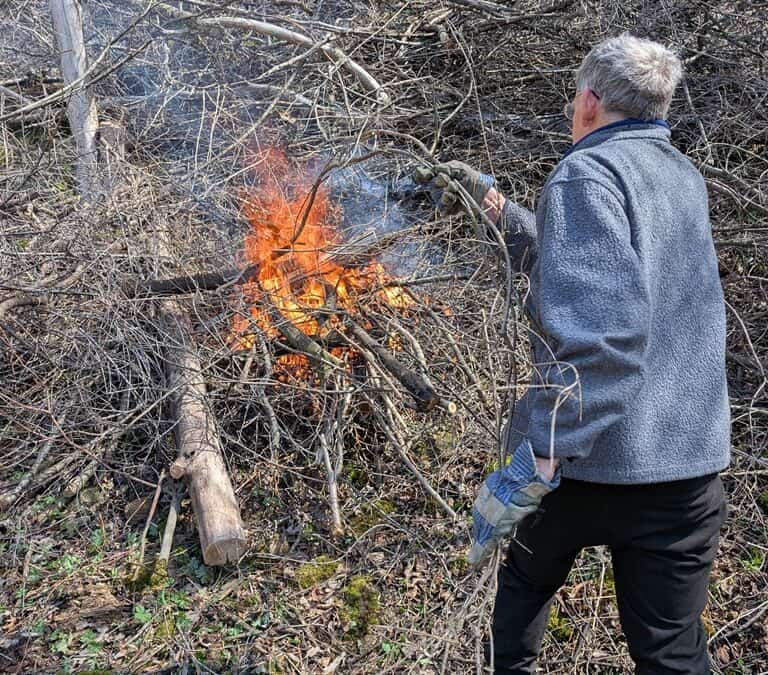
Cooler temperatures and fallen leaves indicate that it’s time to get to work on expanding the prairie at Feist Prairie. We’ll focus on cutting and treating invasive shrubs and small trees.
Rain date is Sunday, October 25 at the same time.
WHAT TO BRING:
If you have them, please bring brush cutters, chainsaws, loppers, pruners, and herbicide sprayers/daubers. Some equipment will be available. Herbicide will be provided. Ear protection, gloves, sturdy shoes/boots, and several layers of clothing are strongly recommended. Please bring drinking water.
No prior experience is needed. However, if you plan to use a chainsaw or brush cutter, personal protective equipment (PPE) is required.
WORK PARTY LEADER:
Direct any questions to Becky Fernette, Site Steward, at (bspence@tds.net) or (cell) (608) 379-0781.
DIRECTIONS:
Feist Prairie is located southeast of Stitzer on Sleepy Hollow Road. Coming from the north or west, head east out of Stitzer on Hwy E. Turn right onto Ridge Road, then head south for approximately 2 miles. Turn left onto Sleepy Hollow Road for .6 mile. Look for the Feist Prairie sign on your left.
From Platteville, head north on Hwy D. Turn left on Ridge Road. Veer to the right at the intersection and stay on Ridge Rd. which eventually becomes Sleepy Hollow Rd. After passing Scenic Road, look for the parking area on your right. Located approx. 3.5 mi. from Hwy. D.
MAP HERE
by The Prairie Enthusiasts | Oct 20, 2026
Eldred Prairie Aspen Clone Removal
Wednesday, October 21 – 10:00 a.m. to 1:00 p.m.
Location: Eldred Prairie, Lancaster, WI
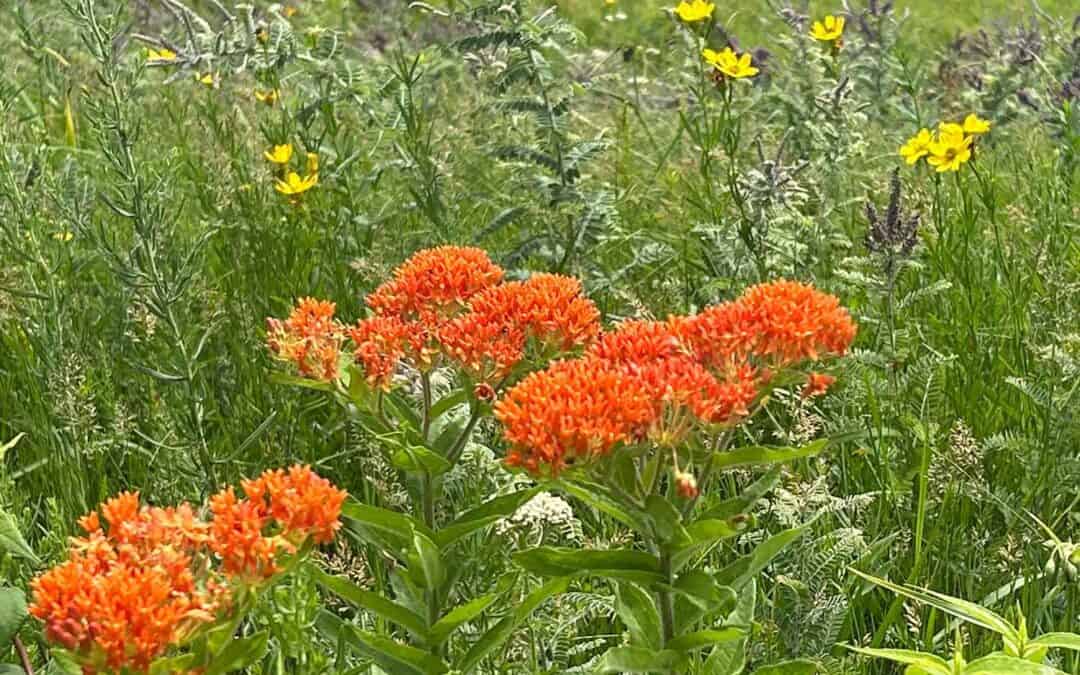
Help us continue to remove Aspen clones from this 45-acre Prairie remnant. In the past, prescribed burning has top killed the aspen clones. This year we will begin to permanently remove them. Your help is important to improve habitat on this prairie.
WHAT TO BRING:
Please bring work gloves, eye protection, boots, and drinking water. Bring shears otherwise they will be provided.
WORK PARTY LEADER:
Please contact Ross Shrago 608-334-6942 (shragoross@yahoo.com)
If it rains, we will have to cancel. Contact Ross to be sure.
DIRECTIONS:
Directions to Eldred Prairie: 4200-4272 Lincoln Rd, about five miles east of Lancaster.
(Apple maps 42.83496 N, 90.63926 W)
(Google maps R9P6+55 Ellensboro, WI)
Park along the side of the road.