Erbe Grassland

Erbe Grassland

Erbe Grassland

This 140-acre preserve is located in the Driftless Area of western Dane, Co, WI. The site includes a blend of original remnant prairie and savanna sod and former cropland being restored back to prairie. It also has three springs and two small cold-water streams. There is a wide range of rare and declining species dependent upon the prairie and limited oak savanna habitat.


Walking through Erbe Grassland. Photo by Ron Lutz II.

Erbe Grassland

Walking through Erbe Grassland. Photo by Ron Lutz II. 

This 140-acre preserve is located in the Driftless Area of western Dane, Co, WI. The site includes a blend of original remnant prairie and savanna sod and former cropland being restored back to prairie. It also has three springs and two small cold-water streams. There is a wide range of rare and declining species dependent upon the prairie and limited oak savanna habitat.

Access & Directions

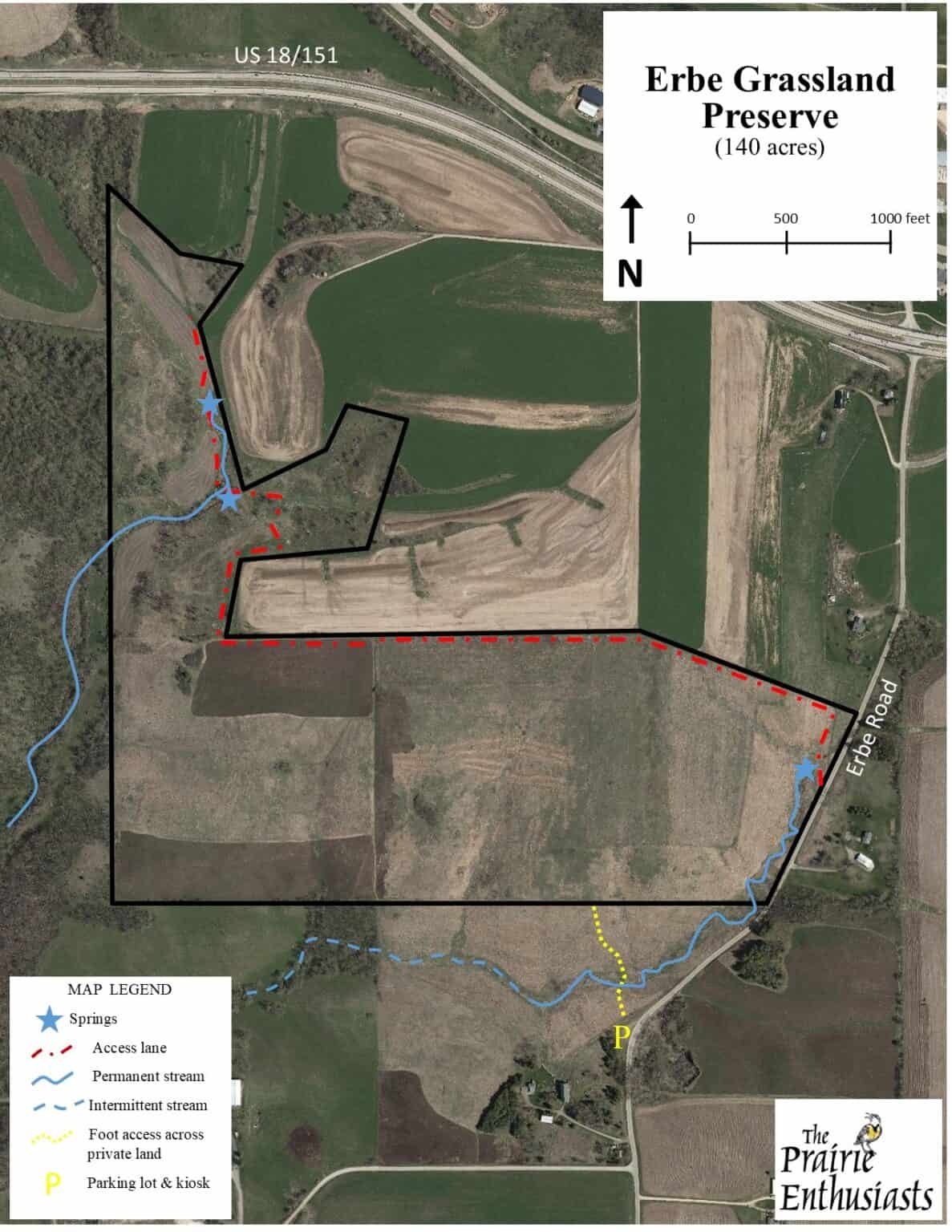
The site is on Erbe Road in the Town of Blue Mounds in Dane County. There is a parking lot and kiosk on Ed Goplin’s land, with a mowed trail that gets visitors up to The Prairie Enthusiasts’ property. Ed has granted access across his land, which The Prairie Enthusiasts help him manage.

Google Map

Site Steward

Connect with the site steward to see how you can care for this rare habitat at an upcoming work party.

This site is stewarded by The Prairie Enthusiasts Empire-Sauk Chapter.

Site Steward: Erik Goplin (Email)

Upcoming Events Here

No event found!

How to Enjoy This Site

Allowed:

  • Hunting (no permit or reservation required)

      How to Enjoy This Site

      Allowed:

      • Hunting (no permit or reservation required)


          Exploring Erbe Grassland. Photo by Rob Baller.

          What Makes Erbe Grassland Special

          Erbe Grassland has critical habitat, of local and state conservation significance, for many rare and declining species. Over 100 native prairie plant species are present, including populations of the State Threatened wooly milkweed (Asclepias lanuginosa) and the Sate Special Concern prairie turnip (Pediomelum esculentum). The State Endangered regal fritillary butterfly is present, along with other uncommon prairie-dependent insects. Lastly, the preserve provides critical nesting and foraging habitat for nine grassland/savanna bird Species of Greatest Conservation Need (SGCN); Bell’s vireo (Threatened), upland sandpiper (Threatened), Henslow’s sparrow (Threatened), bobolink, grasshopper sparrow, short-eared owl, dickcissel, eastern meadowlark, and red-headed woodpecker.   
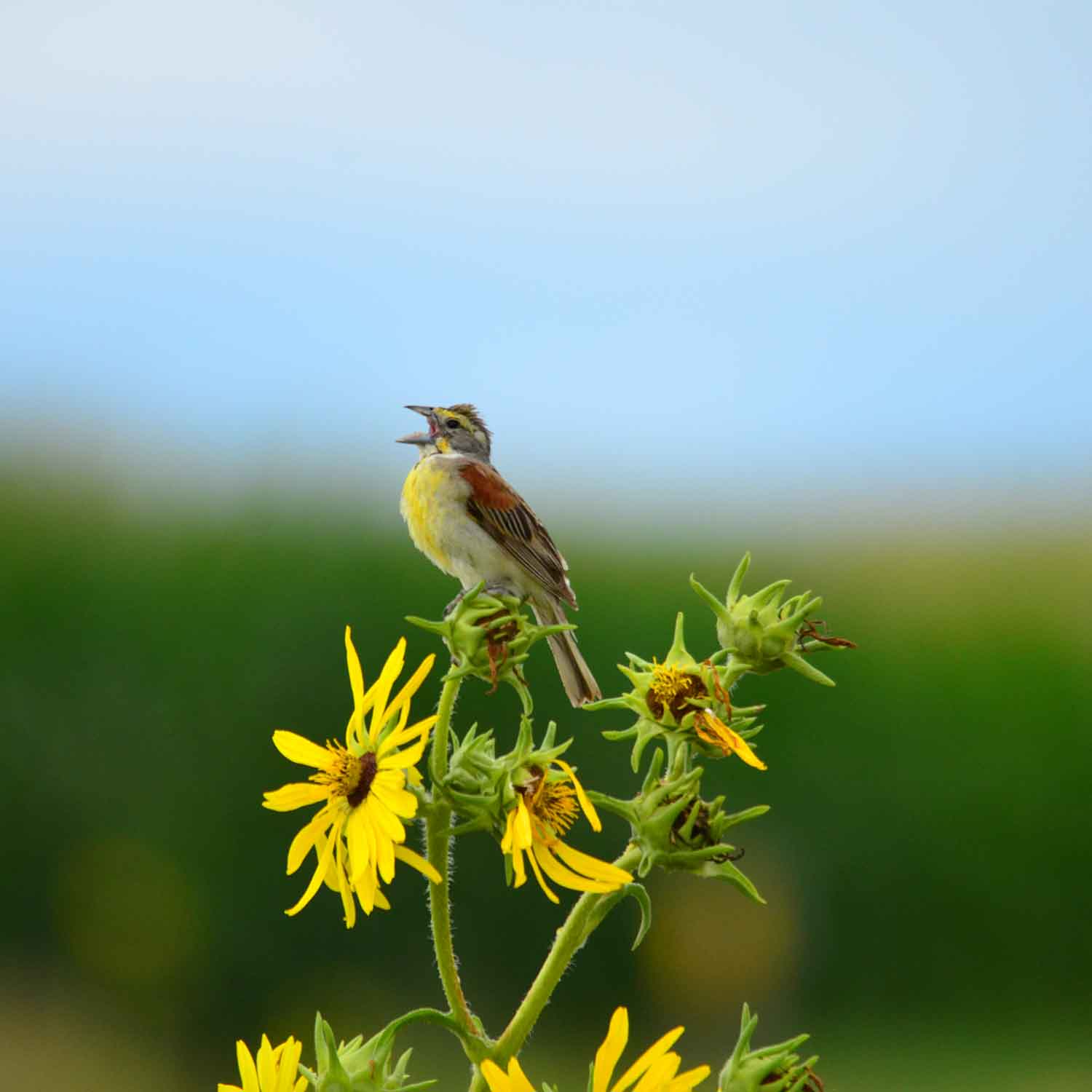
          Dickcissel on compass plant at Erbe Grassland. Photo by Joshua Mayer.

          How was Erbe Grassland Protected

          Erbe Grasslands was established in 2007 with an initial 64-acre parcel acquired from the Losenegger family. In 2012 and 2022, 36-acre and 40-acre parcels were added; acquired from the Ihm and Goplin families respectively. Grants to The Prairie Enthusiasts from the WI State Knowles-Nelson Stewardship Fund and the Dane County Conservation Fund helped make this possible. 

          At time of acquisition, the original 64-acre parcel consisted of 30 acres of treeless pasture (most of which was unplowed remnant prairie sod), 26 acres of active cropland, 5 acres of brush pasture, and a 3 acre walnut grove. The walnuts were likely planted in 1935 by the Civilian Conservation Corps (CCC) crew stationed in Mt. Horeb. They also built a retention dam on the property, that is still present today. Because a goal for the property is to provide critical habitat for grassland birds, the walnuts and much of the brush were removed in the winter of 2008-2009. The work was funded by the Wisconsin DNR Pheasant Stamp and Landowner Incentive Programs, along with funds from the Wildlife Conservation Society.

          The 2012 36-acre addition consisted of 6 acres of cropland and 30 acres of an unplowed blend of degraded remnant prairie and overgrown oak savanna. The overgrown savanna and prairie are in the process of being restored, trees and brush have been removed, and the cropland has been planted to prairie. Grants from the US Fish and Wildlife Service and WI DNR Turkey Stamp Fund have assisted this work.

          The 2022 40-acre addition consisted of high-quality remnant prairie, former cropland planted to prairie, and pastureland being restored to prairie. The Prairie Enthusiasts had been working with the landowner on the management and restoration of this parcel for 20 years.

          In 2025, 77 acres of the Uren Trust farm were added to Erbe Grassland. The land was mostly farmland, but is being restored to prairie in the hopes of expanding the habitat for rare species like the State Endangered regal fritillary butterfly.

          The site is within the Military Ridge Prairie Heritage Area, a cooperative conservation effort of federal, state, county, and private conservation groups.   
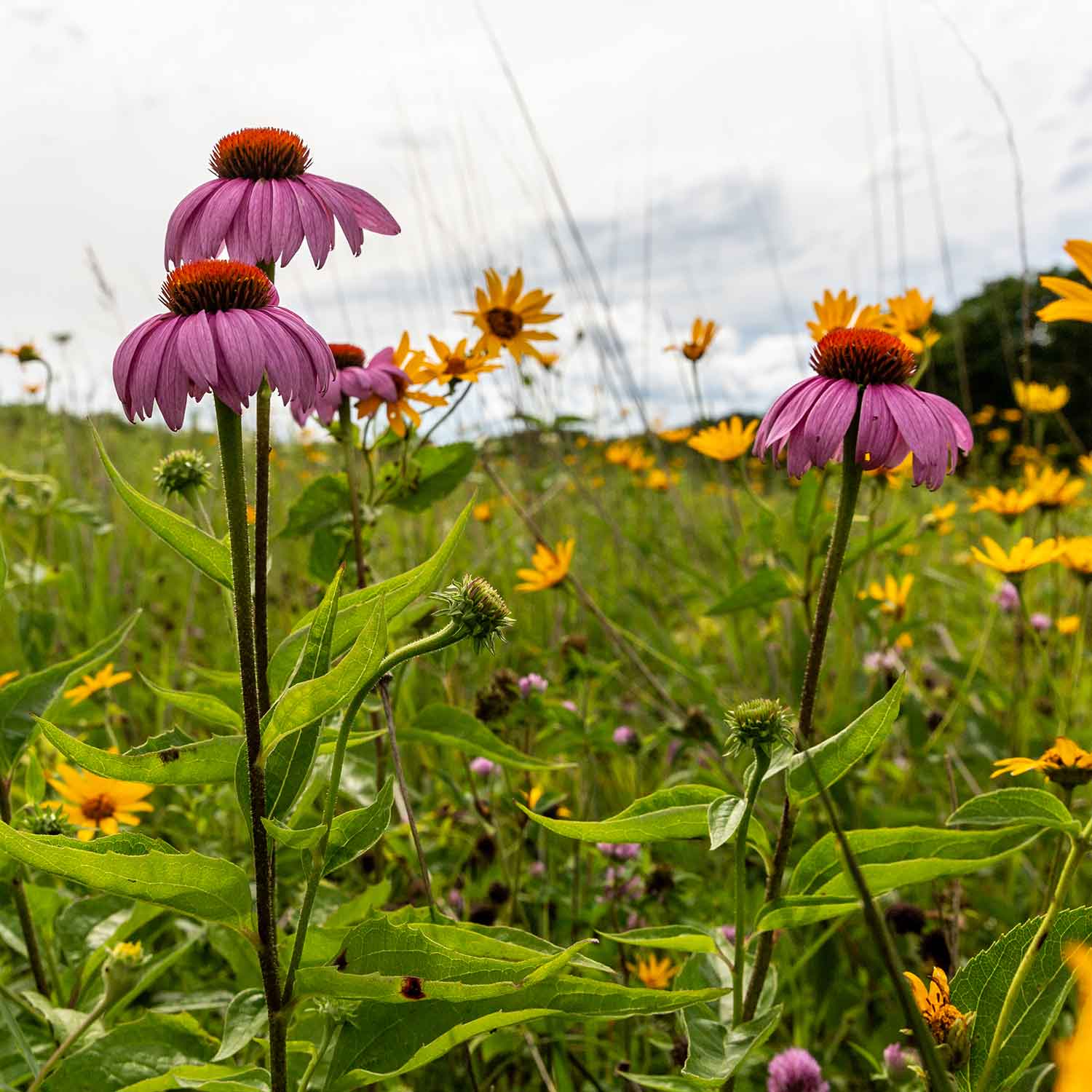
          Flowers in bloom at Erbe Grassland. Photo by Ron Lutz II.

          How You Can Help Erbe Grassland

          The primary management goal for Erbe Grassland is to recover and maintain as much of the site’s original prairie/savanna ecosystem as is feasible. Including habitat for grassland birds and other native animal species associated with treeless grassland ecosystems.

          Although much of the original pasture was unplowed on the site when it was accquired, past grazing disturbance was so severe that relatively little of the original native prairie vegetation remained. A survey at the time of acquisition revealed only 34 native prairie species in low abundance. Additional prairie vegetation has since been seeded into the pasture sod and all the cropland has been planted to prairie. The prairie is well on its way to recovery. However, it will likely take a century or more before it is fully recovered to is original state.

          Although grants have been assisting the restoration and management work at Erbe Grassland, volunteers have been critical to the effort and there is still much to accomplish.

          Check out our Events Calendar to see upcoming work parties or contact the site steward to get involved.
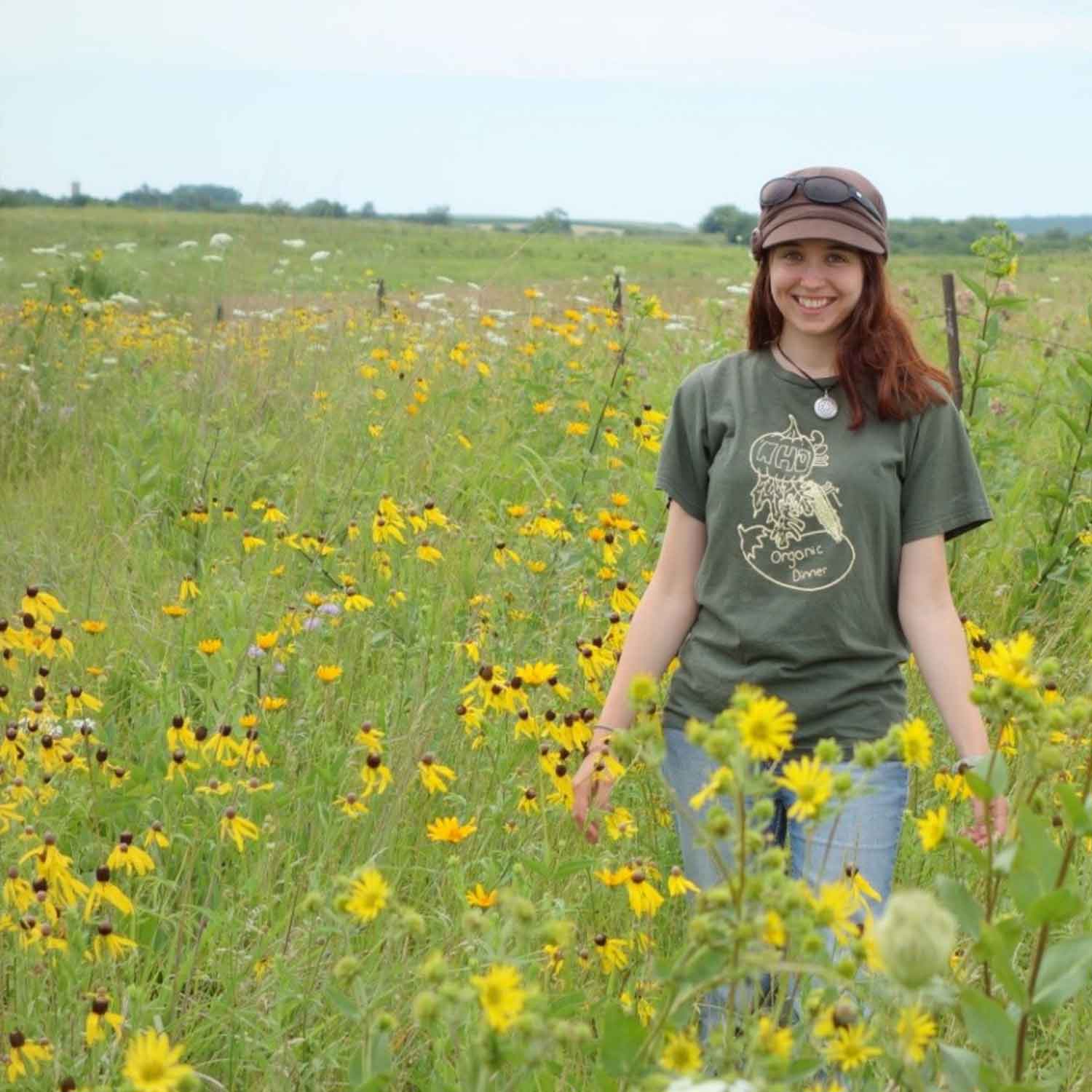
          Grace Vosen among the flowers at Erbe Grassland. Photo by Ron Lutz II.

          Elmoville Prairie

          Elmoville Prairie

          Elmoville Prairie

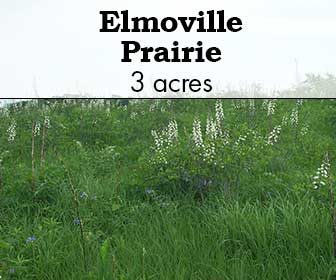
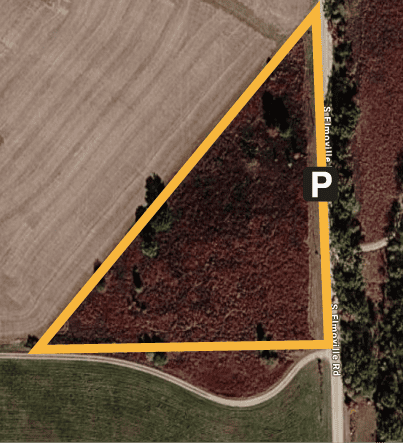
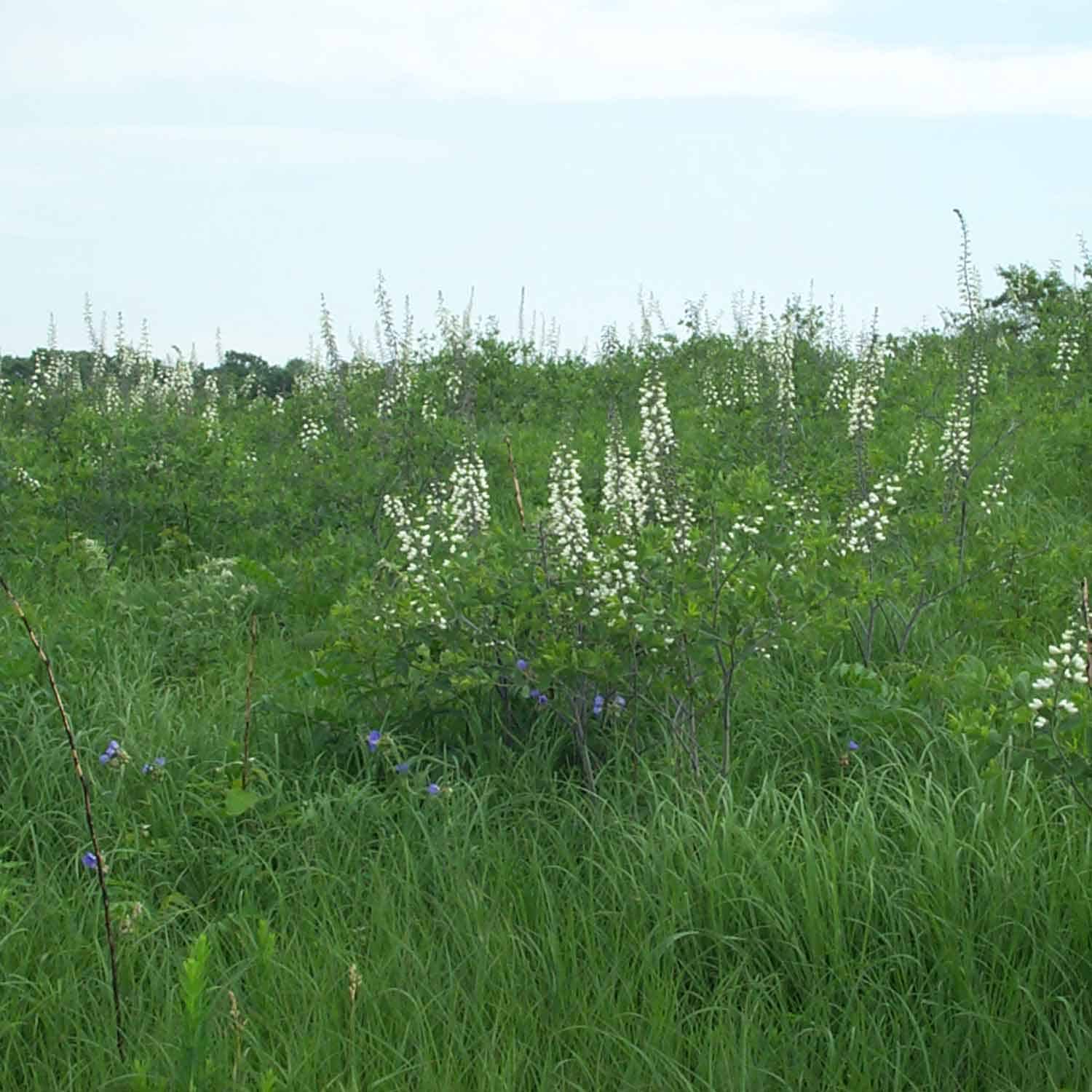
          This 3-acre remnant prairie located in rural Stockton, IL was the first land protection effort of the Northwest Illinois Chapter. Volunteer efforts to bring smooth sumac (Rhus glabra) under control have allowed this site to show off its amazing plant diversity. 


          View of Elmoville Prairie. Photo by Dan Carter.

          Elmoville Prairie

          View of Elmoville Prairie. Photo by Dan Carter. 

          This 3-acre remnant prairie located in rural Stockton, IL was the first land protection effort of the Northwest Illinois Chapter. Volunteer efforts to bring smooth sumac (Rhus glabra) under control have allowed this site to show off its amazing plant diversity. 

          Site Steward

          Connect with the Chapter to see how you can care for this rare habitat at an upcoming work party.

          This site is stewarded by The Prairie Enthusiasts Northwest Illinois Chapter.

          More information coming soon!

          Black Earth Rettenmund Prairie

          Black Earth Rettenmund Prairie

          Black Earth Rettenmund Prairie

          This site is one of the few remaining examples of a dry-mesic prairie in Wisconsin. In contrast to other prairie preserves in the Driftless Area, this prairie is on relatively level terrain. It has an outstanding assemblage of plants including several rare and uncommon species. Because of its proximity to Madison, and its easy access, the preserve has great educational value.


          Summer blooms at Black Earth Rettenmund Prairie. Photo by Rich Henderson. 

          Black Earth Rettenmund Prairie

          Summer blooms at Black Earth Rettenmund Prairie. Photo by Rich Henderson. 

          This site is one of the few remaining examples of a dry-mesic prairie in Wisconsin. In contrast to other prairie preserves in the Driftless Area, this prairie is on relatively level terrain. It has an outstanding assemblage of plants including several rare and uncommon species. Because of its proximity to Madison, and its easy access, the preserve has great educational value.

          Access & Directions

          From the intersection of Highways 78 and KP in Black Earth, go west on KP 1.1 miles, then south on F 0.25 mile, then west on Fesenfeld Road 0.2 mile to a small parking area south of the road. If the parking lot is occupied, park on the north side of the road.

          Google Map

          Site Stewards

          Connect with the site steward to see how you can care for this rare habitat at an upcoming work party.

          This site is stewarded by The Prairie Enthusiasts Empire-Sauk Chapter.

          Site Steward: Kathie Brock: 238-5050 or Email and Willis Brown: 278-9308 or Email

          Upcoming Events Here

          No event found!

          How to Enjoy This Site

          Allowed:

          • Hiking (stay on trail markers and please clean boots and clothes before entering to help limit introduction of invasive species)

            Not Allowed:

            • Hunting
            • Bikes or Motorized Vehicles

              How to Enjoy This Site

              Allowed:

              • Hiking (stay on trail markers and please clean boots and clothes before entering to help limit introduction of invasive species)

                Not Allowed:

                • Hunting
                • Bikes or Motorized Vehicles


                  Child enjoying Black Earth Rettenmund Prairie. Photo by Joshua Mayer. 

                  What Makes Black Earth Rettenmund Prairie Special

                  This prairie was once rated among the top ten natural areas in Dane County in private ownership. It was used by Ecologist John Curtis as an outdoor classroom and was one of his prairie sites in his classic book Vegetation of Wisconsin. The University of Wisconsin-Madison herbarium has numerous entries of plants collected at this site.

                  The preserve is in the drainage basin of, and is within site of, Black Earth Creek, one of the outstanding trout streams in southern Wisconsin.

                  Black Earth Rettenmund Prairie is located on a low knob and ridge. It is characterized as dry-mesic with areas ranging from dry to nearly mesic. It harbors a rich flora of over 130 native prairie plant species. It is a predominantly forb-rich prairie. The forbs are incredibly diverse and include showy species including pasqueflower (Anemone patens), lead plant (Amorpha canescens), compass plant (Silphium laciniatum), wood lily (Lilium philadelphicum), prairie turnip (Pediomelum esculentum) and many more. 

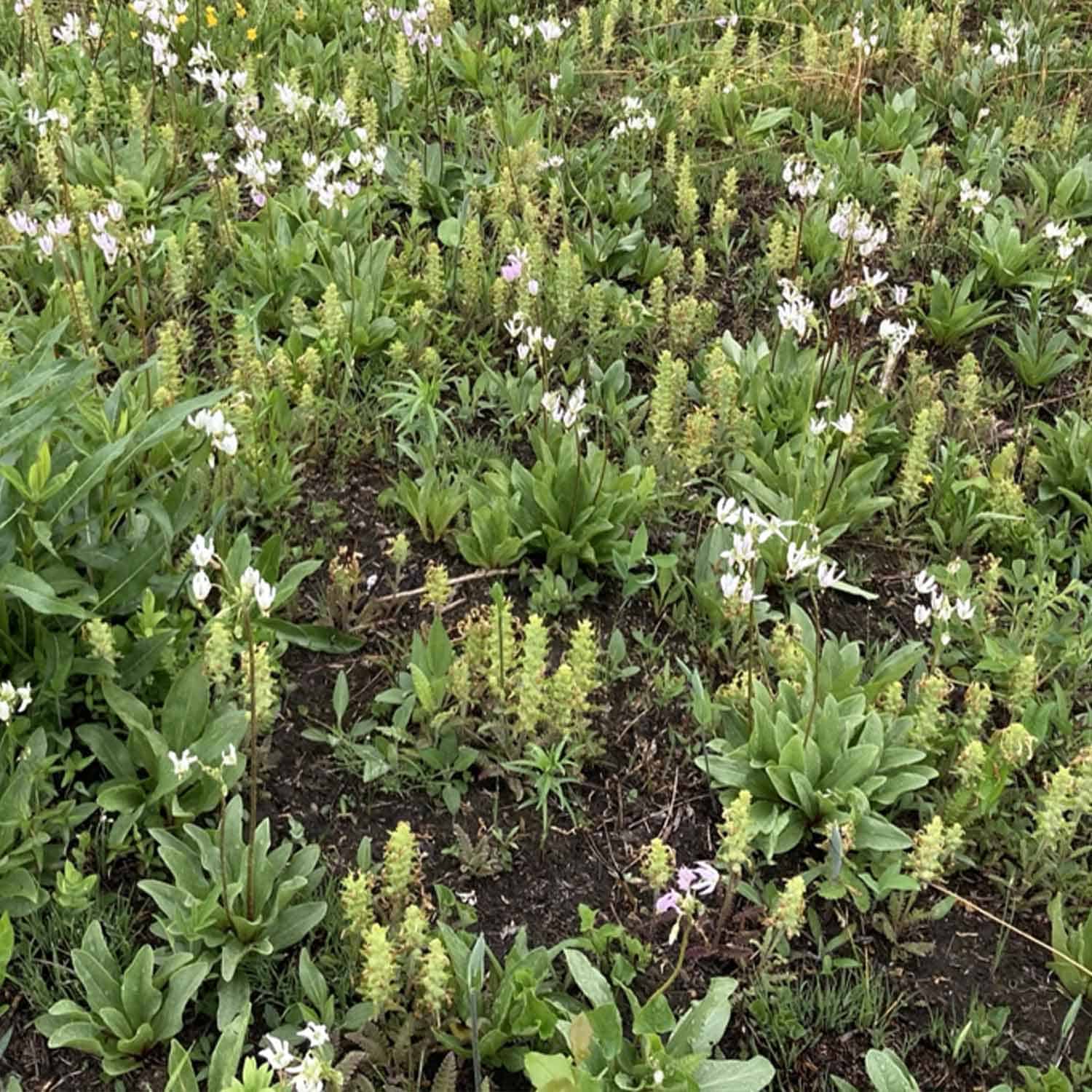
                    Spring blooms at Black Earth Rettenmund Prairie. Photo by Dan Carter. 

                    How was Black Earth Rettenmund Prairie Protected

                    The preserve was once part of the William Rettenmund farm, but it was probably never plowed. The owner, William Rettenmund, preserved this prairie for over 40 years. Mr. Rettenmund granted conservationists permission to study the prairie and to conduct management activities including controlled burns.

                    The first plant survey was done in 1969. Mr. Rettenmund had observed the marked “decline” in the prairie during his ownership and both he and his wife had a genuine interest in seeing it preserved and managed. It was because of Mr. Rettenmund’s deep concern in seeing the prairie preserved that he sold the land to The Nature Conservancy at below-market value.

                    Initial contact with Mr. and Mrs. Rettenmund was made by the State Natural Areas office in 1981, and serious discussions about purchase were made in 1984. At that time, about half of the site had been taken over by shrubs, aspen and other trees. The property was acquired by the Nature Conservancy in 1986, using funds provided by Madison Audubon Society. Later the same year it was dedicated as a State Natural Area, ensuring its continued protection.

                    Beginning in 2003, management was taken over by The Prairie Enthusiasts under an agreement with the Nature Conservancy. At this time, more intensive restoration work was undertaken, under the guidance of Kathie and Tom Brock and with financial support from the Savanna Oak Foundation, Inc. Ownership of the prairie was transferred by The Nature Conservancy to The Prairie Enthusiasts in August 2007.

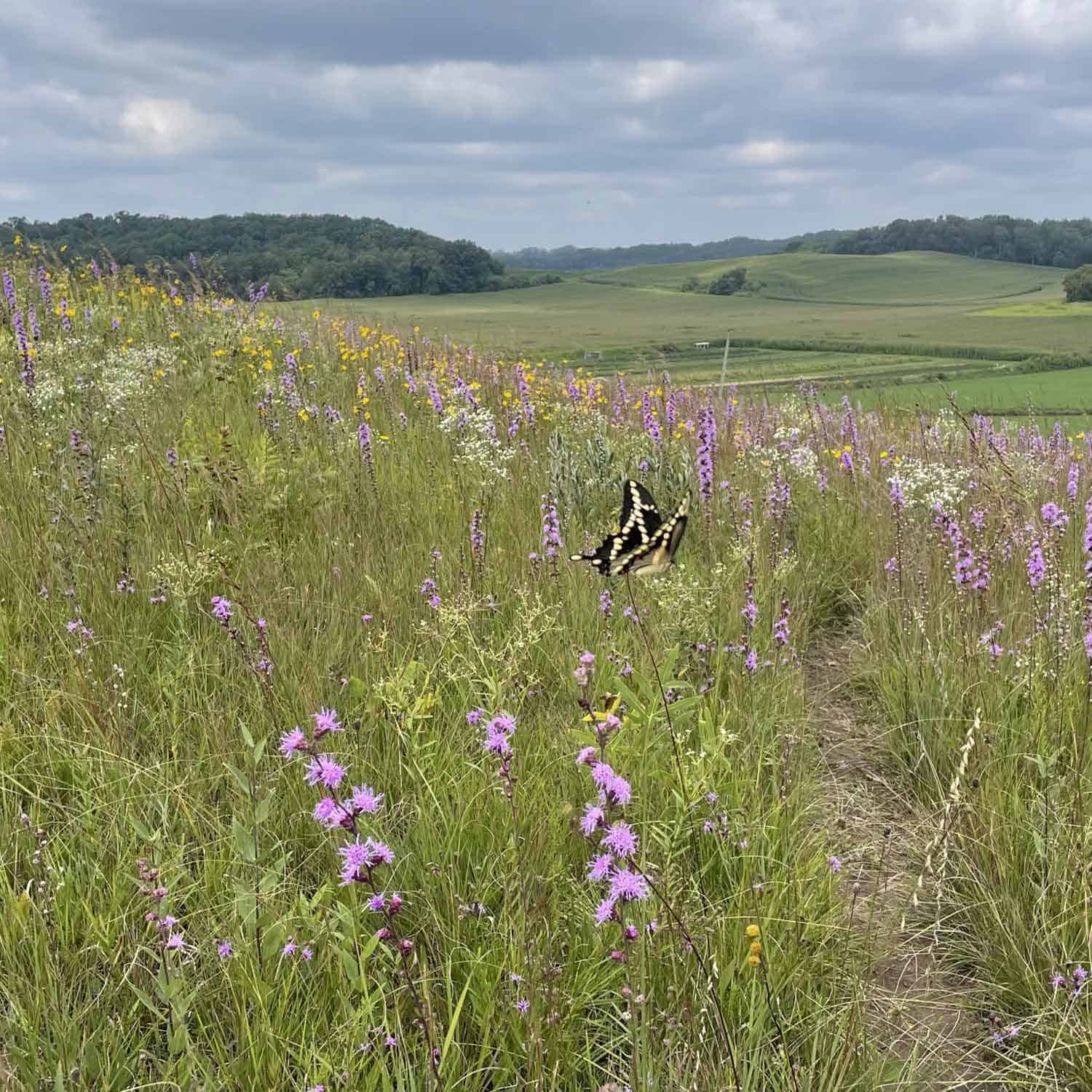
                    Butterfly over blazing star at Black Earth Rettenmund Prairie. Photo by RS Baller. 

                    How You Can Help Black Earth Rettenmund Prairie

                    Empire-Sauk Chapter volunteers regularly conduct prescribed burns on the site. Our prescribed burn is usually held at the end of March or early April. Seed collecting is another opportunity for volunteering. The rich flora of Black Earth Rettenmund Prairie makes seed collecting a delight. The seeds collected are planted in the Gateway Prairie and in areas of the South Unit where brush control had been carried out. Seed collecting is the principal activity in the fall work parties. In addition to regularly scheduled seed collecting days, special days are scheduled as needed.

                    Check out our Events Calendar to see upcoming work parties or contact the site steward to get involved.

                    Prior Land Stewardship

                    Soon after acquisition, restoration work was undertaken by The Nature Conservancy. Controlled burns were carried out at regular intervals. Hand pulling of weeds and cutting of aspen, sumac, honeysuckle and buckthorn was carried out. Trees along the perimeter of the preserve were cut and the stumps treated with Garlon 4. Cherry trees, honeysuckle and buckthorn on neighboring land have also been cut with the owners permission. The fence along the neighbor’s pasture running east-west was rebuilt by the Nature Conservancy.

                    In the late 1990s, modest volunteer work parties were carried out, once or twice a year. These involved primarily brush clearing with herbicide treatment. However, these minimal volunteer activities were insufficient to control woody growth. By the end of the 1990s, brush and tree growth on the south part of the preserve had become excessive and prairie vegetation was being crowded out. Work on this end of the preserve was initiated again in 2000. Using support from the Savanna Oak Foundation, Inc., private contractors were hired to cut and treat vegetation. Between this work, monthly volunteer work parties and annual controlled burns, prairie vegetation responded well and thrives today.

                    Despite stewardship, white sweet clover (Melilotus alba) remains the most serious problem. Its seeds are able to remain viable in the soil for many years. It is a peculiar characteristic of prescribed burns that fire actually “stimulates” seed germination. Thus, burns without associated sweet clover control will exacerbate the problem. It is probably for this reason that sweet clover has been historically widespread throughout the preserve.

                    Initially sweet clover infestations were so heavy that they had to be mowed, with hand pulling of any outliers. Volunteer workdays were held throughout the sweet clover season (June-August), with additional weekly workdays on Friday evenings in July. Since 2006 only hand pulling has been needed, but as much as 300 worker-hours (both volunteers and paid contractors) have been needed to control the problem. Summer workdays are scheduled by The Prairie Enthusiasts as needed.

                    Extensive brush control over the past 25 years has reduced the woody vegetation problem to a lower level. The principal problem at present is smooth sumac, and continual work by volunteers and paid employees is effective. The goal is complete eradication of this seriously invasive plant.

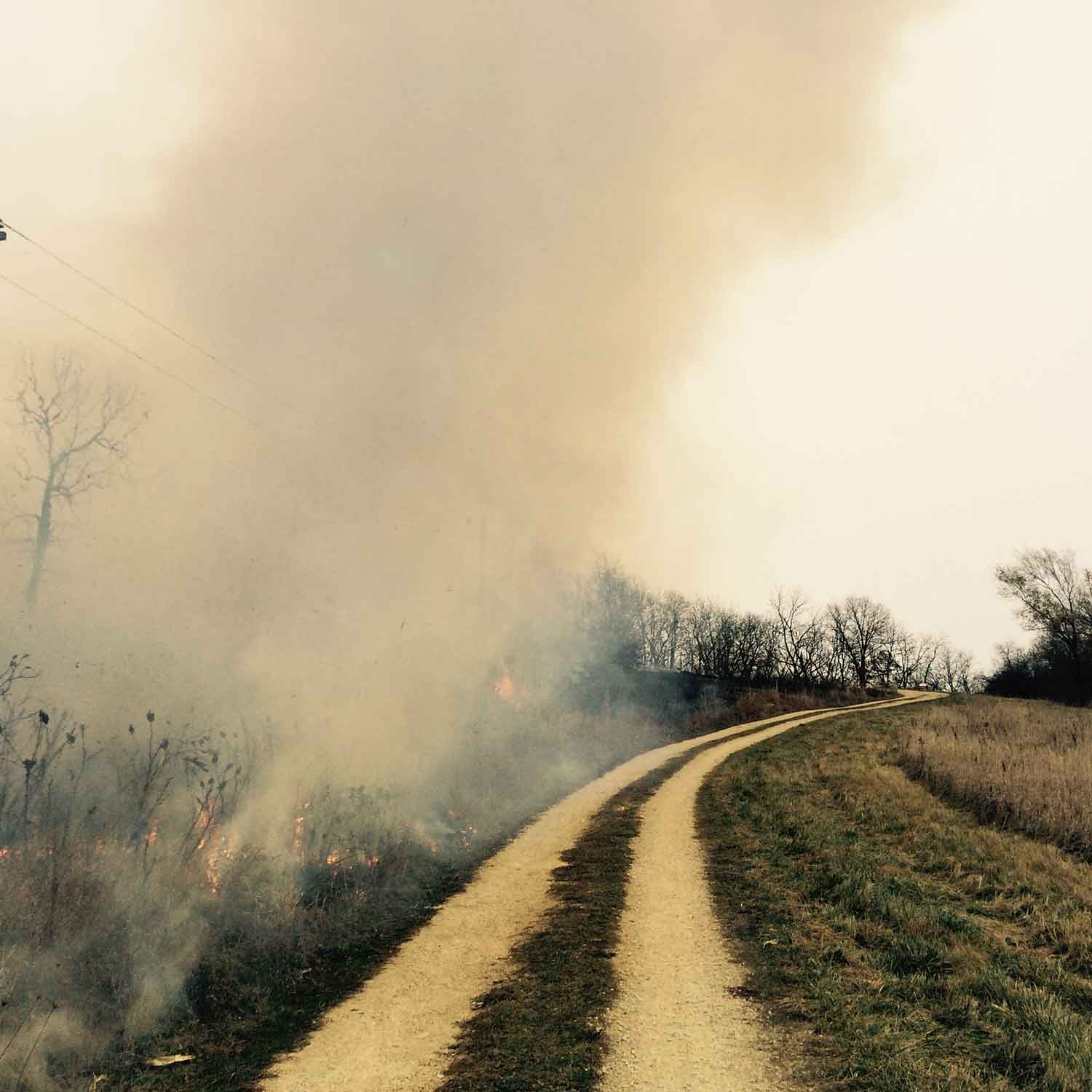
                    An annual controlled burn is carried out by The Prairie Enthusiasts, usually in late March or early April. The preserve has been divided into three burn units (north, saddle, south). The saddle is burned on alternate years, together with either the north or south unit.

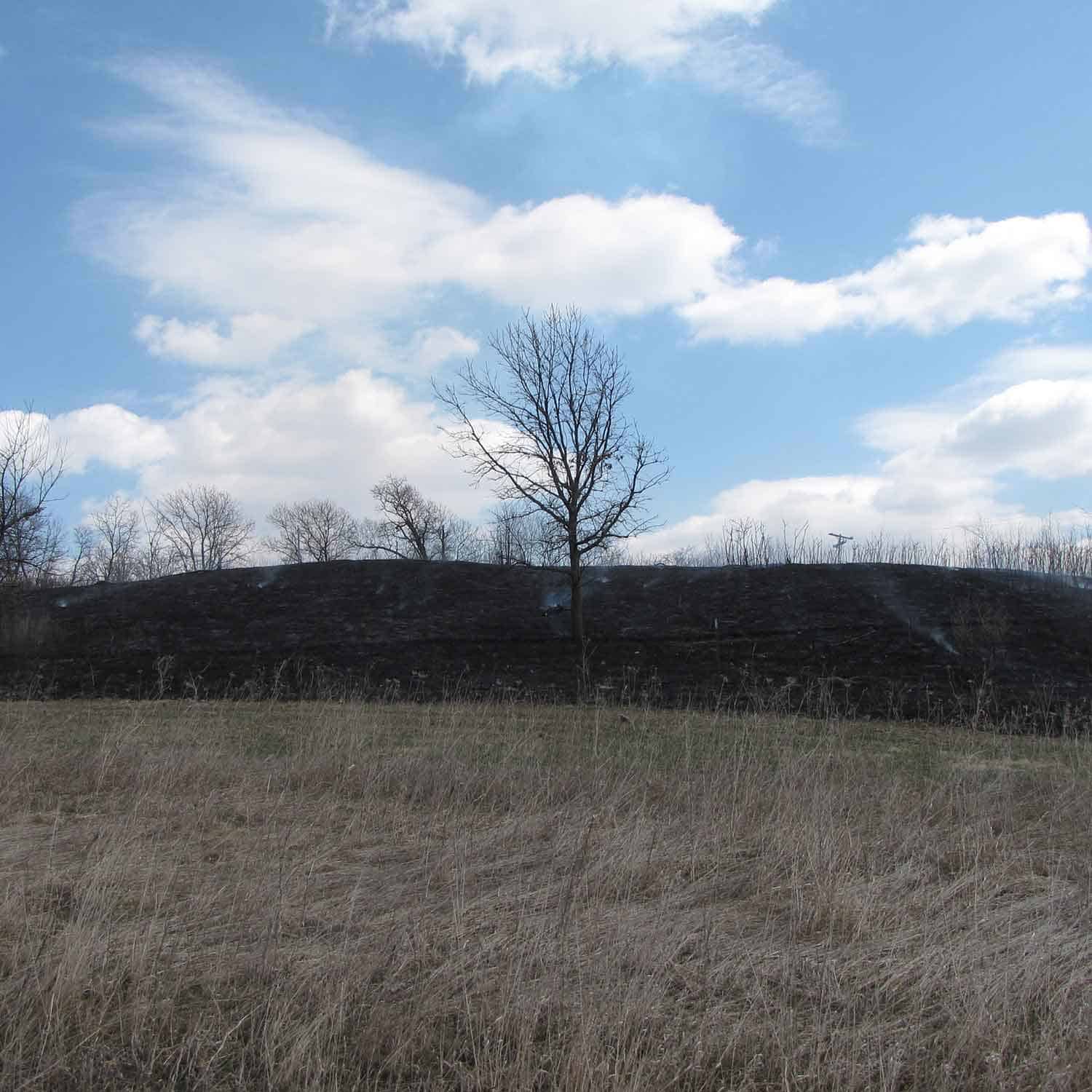
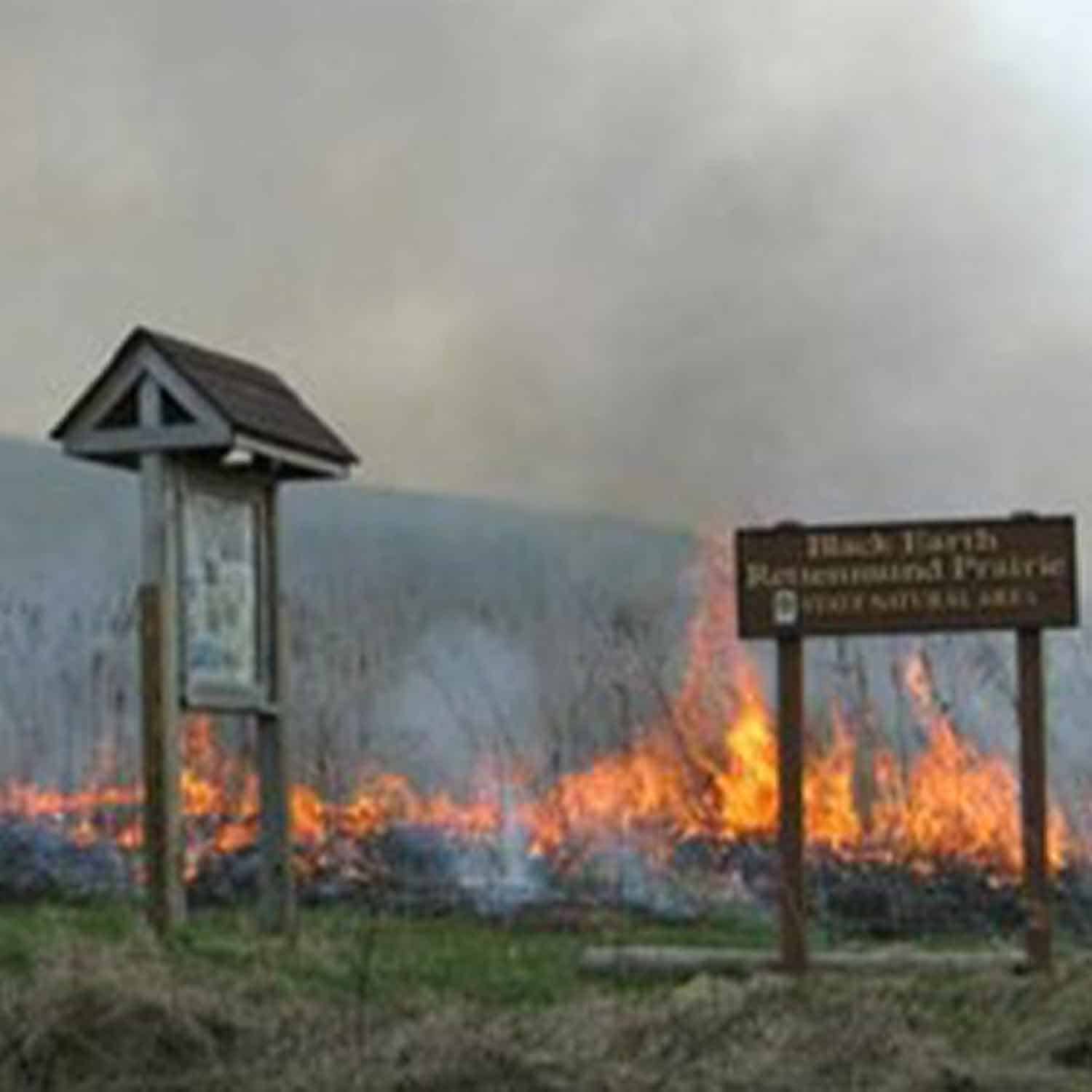
                    Prescribed fire at Black Earth Rettenmund Prairie. Photographer Unknown.